How textile recycling can be circular and economically viable
Text Saar BenteinImage Resortecs

Disassembling garments = efficient recycling
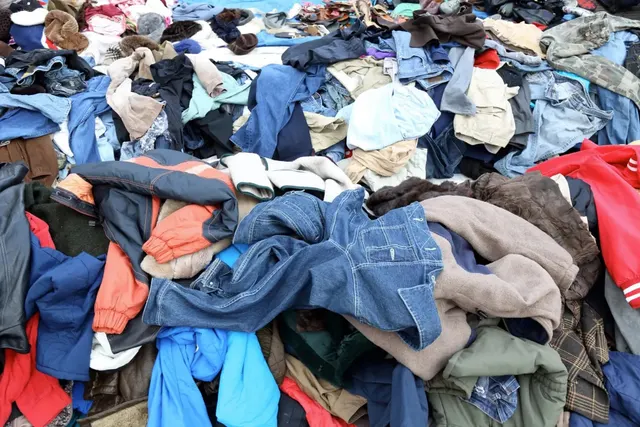
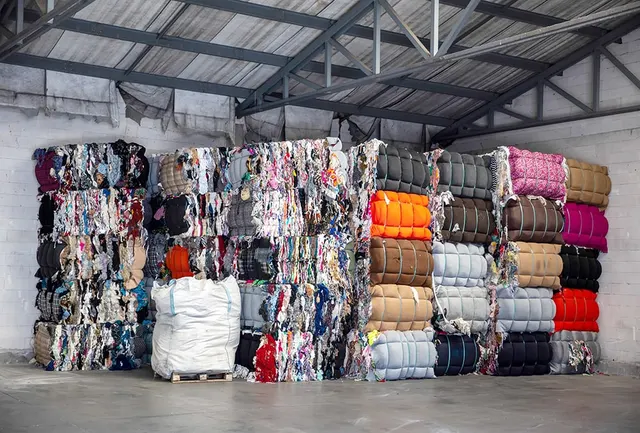
Textiles are one of the most polluting industries. We recycle less than 1% of clothing because garments first have to be disassembled. Today, the industry cannot do this cost-effectively. The result? Most clothing is incinerated or ends up in landfill abroad. With two disruptive innovations, Brussels-based start-up Resortecs is changing this. Together with the entire value chain, it aims to create a truly circular textile economy.
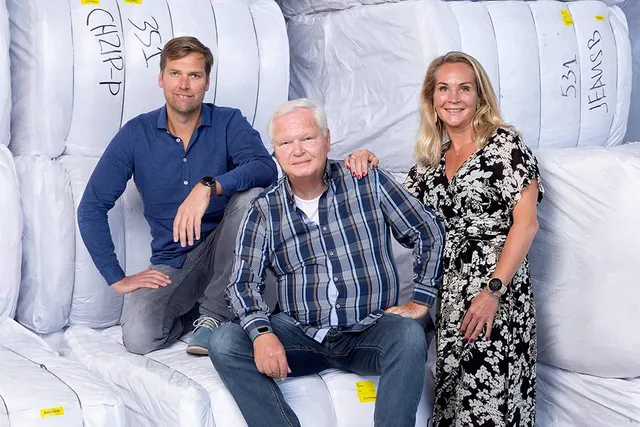
“Organic cotton, vegan leather … it sounds good, but that does not necessarily mean the garment is sustainable. If it cannot be disassembled, it is not sustainable in our eyes either. A shirt made from organic cotton also has buttons, a collar … If you cannot separate those materials, the garment is either not recycled or you lose a huge amount of material value,” says Cédric Vanhoeck, CEO of Resortecs. He likes to compare it with the PMD bag. As with clothing, waste streams need to be separated, with the difference that sewing thread holds a garment together. That is why Resortecs looked at both product design and recycling, and developed assembly techniques that make garments easy to take apart.
Smart Stitch™ and Smart Disassembly™
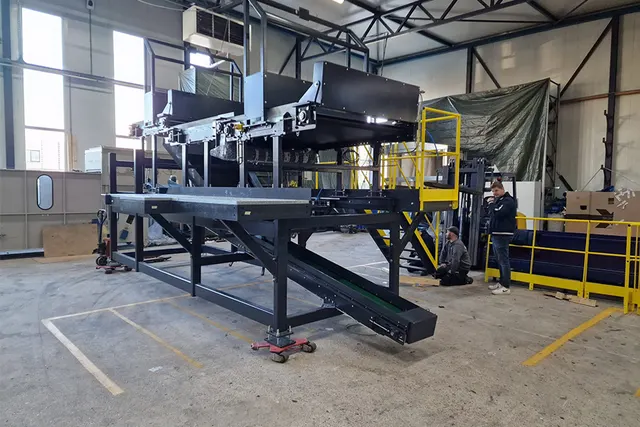
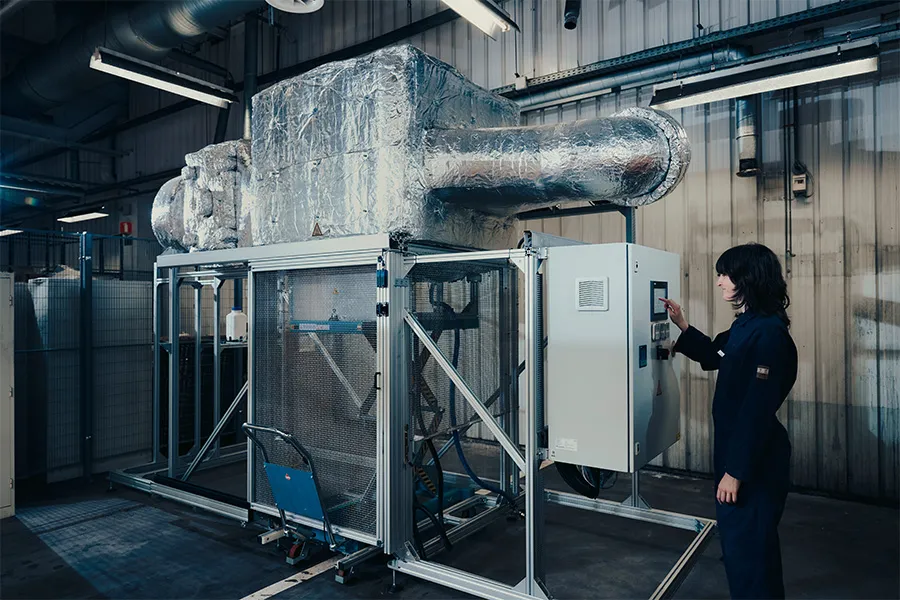
Resortecs has developed thermally dissolvable sewing threads. Smart Stitch™ can be installed on existing machines. The threads melt at a specific temperature in a specially developed oven, Smart Disassembly™. The result? A fully assembled garment is completely disassembled. The waste streams are delivered separately to the recycler, resulting in a much higher recycling rate, yield and material value. Resortecs can currently disassemble half a tonne per day. With European subsidies, the start-up is developing a continuous production line, with a view to scaling up to 10 tonnes per day in 2024.
Circularity is an economic proposition
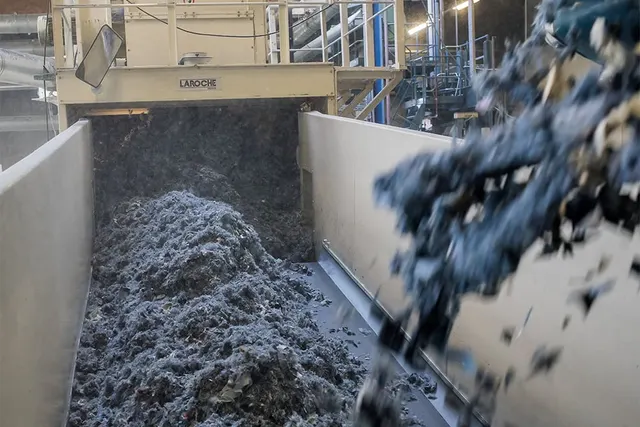
Textile recycling is still in its infancy because it is not profitable. Mechanical disassembly, a form of shredding, and manual disassembly are currently used. “Both processes result in material losses of as much as 40%, while manual disassembly also comes with very high labour costs,” says Vanhoeck. For example, a typical polyester garment has a material value of around € 0.30, but manual disassembly can easily cost € 1 per garment. Vanhoeck says: “The low ROI and high operating costs unfortunately sometimes make it more logical not to recycle.” He adds: “The circular economy is often associated with sustainability. That is true, but it is also an economically sound proposition. Polluting processes, such as some textile recycling processes, are expensive because they are simply inefficient. By considering how a product will be recycled at the design stage, we eliminate that inefficiency. Disassembled garments can have up to five times more material value. Resortecs is building a circular economy that is both more sustainable and economically stronger.”

The entire value chain needs to get on board
Consumers, brands, collection and sorting companies, recyclers … Resortecs is working to bring the entire value chain on board. A changing regulatory framework, under which producers become responsible for the end of life of their products, will also play an important role, according to Vanhoeck. This is expected to be introduced in Belgium by 2025. “Extended producer responsibility, comparable to existing systems in Belgium such as Valumat, is essential to scale up volumes. But even then, there needs to be a system that delivers a good ROI for all stakeholders. We are ready to work with the entire value chain to fundamentally improve textile recycling,” Vanhoeck concludes.
Question about this story? Ask your question
Keep following this
Get an email when a new story is published. No account needed.
- ThemeMaking use of textiles and other waste streams
- SubjectTextile waste