












More recycled material in packaging?
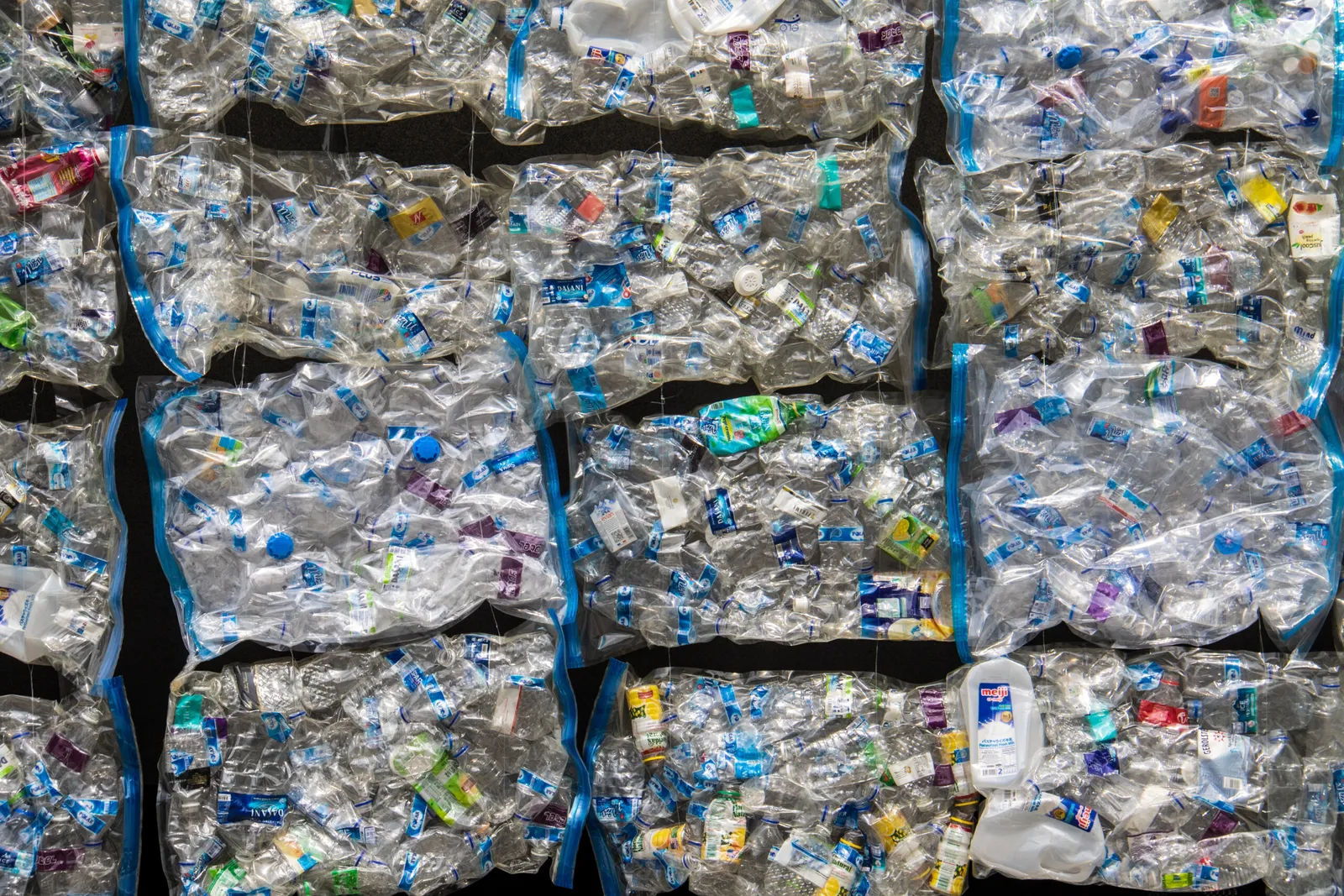
From 2030, Europe will require a minimum proportion of recycled material in plastic packaging, with even stricter thresholds towards 2040. The ambition is clear, but the market is moving in the wrong direction: recyclate remains more expensive and demand remains weak. Denuo warns that this could create a ‘perfect storm’.
Behind this stormy outlook is the tension between future European requirements and a market that currently offers insufficient certainty: low virgin material prices, high operating costs, cheap and difficult-to-trace imports, and weak demand for recycled material are systematically holding back the use of post-consumer recyclate (PCR).
Eco-modulation addresses what the market cannot solve today
To correct this market failure, Denuo is advocating eco-modulation. By linking financial incentives to the proportion of recycled material in packaging, eco-modulation neutralises the price advantage of fossil-based raw materials and creates structural demand for recyclate. This also creates conditions in which it makes sense for companies to invest in the additional recycling capacity needed.
Examples from abroad demonstrate feasibility
Neighbouring countries show that such systems work. In France, Citéo will offer a fixed discount per tonne of PCR used from 2026, while in the Netherlands Verpact grants discounts to packaging that exceeds certain PCR thresholds. However, the system should align as closely as possible with these existing, operationally tested European models to avoid administrative complexity.
A workable system with a European footing
Denuo is calling for a system that provides investment certainty, limits the administrative burden and rewards only recyclate processed within the European value chain, thereby strengthening strategic autonomy. A proximity principle and annual adjustments based on market indicators will make the instrument future-proof. For Denuo, eco-modulation is therefore not an additional policy option, but a fundamental prerequisite for scaling up the circular plastics economy in a timely and economically viable way.
By linking financial incentives to the proportion of recycled material in packaging, eco-modulation neutralises the price advantage of fossil-based raw materials and creates structural demand for recyclate.
Question about this story? Ask your question
Keep following this
Get an email when a new story is published. No account needed.
- ThemeMaking plastics and packaging circular
- SubjectDenuo







