Landfill management pilots deliver positive results
Text and images Vereniging Afvalbedrijven
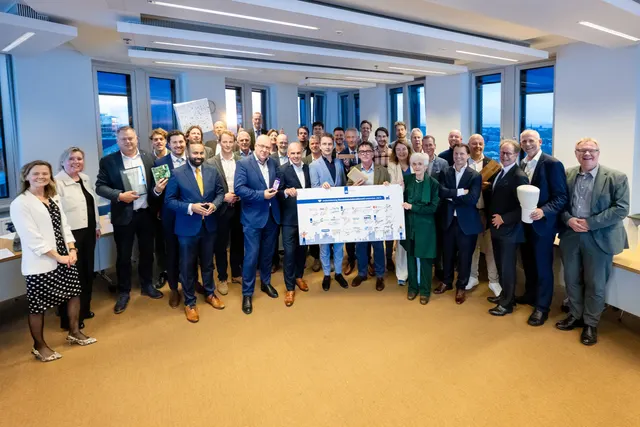
Scientific research is providing ever greater insight into the potential of sustainable landfill management. This was clear at a symposium on 10 March in Bergen op Zoom, where researchers, policymakers and industry representatives discussed progress on the pilots for the introduction of Sustainable Landfill Management (iDS).
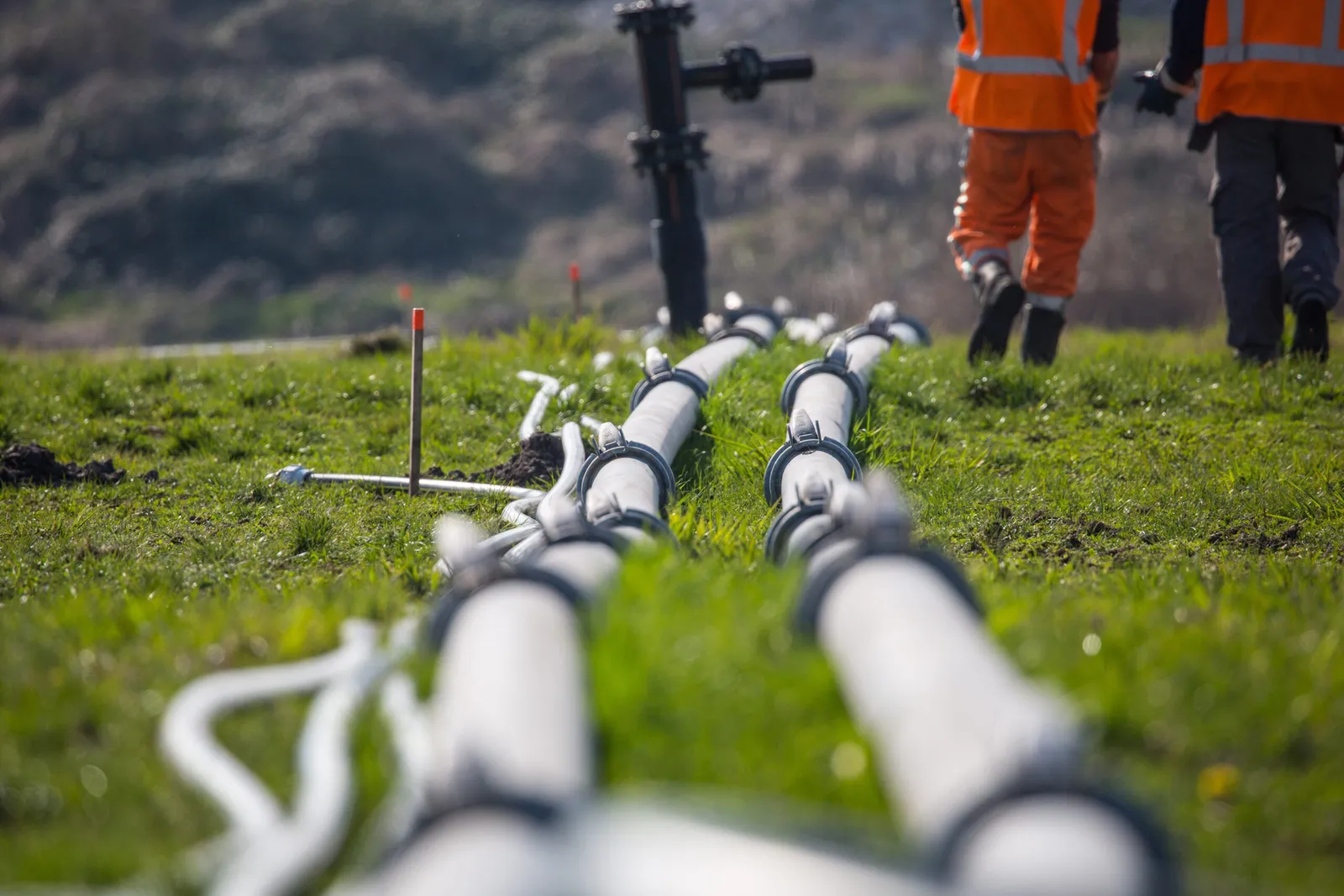
The core question behind this research is simple but ambitious: is it possible to render contamination within a landfill harmless in the short term? This matters to us and to future generations. Instead of relying on perpetual aftercare, the approach is to accelerate natural processes by aerating the waste and recirculating water within the landfill. This should reduce emissions and make the landfill stable in the long term.
Positive outlook
According to scientist Hans Oonk (a member of the iDS core team), the initial results look positive. Concentrations of harmful substances in the leachate, the water that flows through the landfill, are falling and stabilisation processes are beginning. Oonk was pleasantly surprised to see that recirculation and aeration appear to fix nitrogen or release it as an inert (harmless) gas. “We still don’t know everything, but this is encouraging,” said Oonk.
The future
The symposium made clear that the role of landfills in the Netherlands is changing. Whereas landfills were once seen primarily as the end point for waste streams, they are increasingly viewed as systems where stabilisation, knowledge development and sustainable management take centre stage.
Question about this story? Ask your question
Keep following this
Get an email when a new story is published. No account needed.
- SubjectVereniging Afvalbedrijven