Between uncertainty and direction: why the plastics market needs to mature
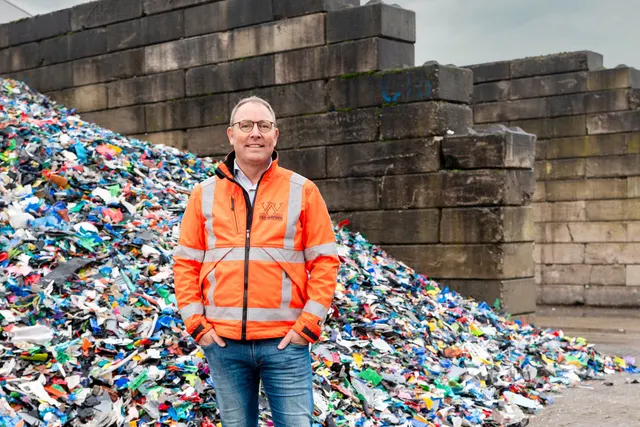
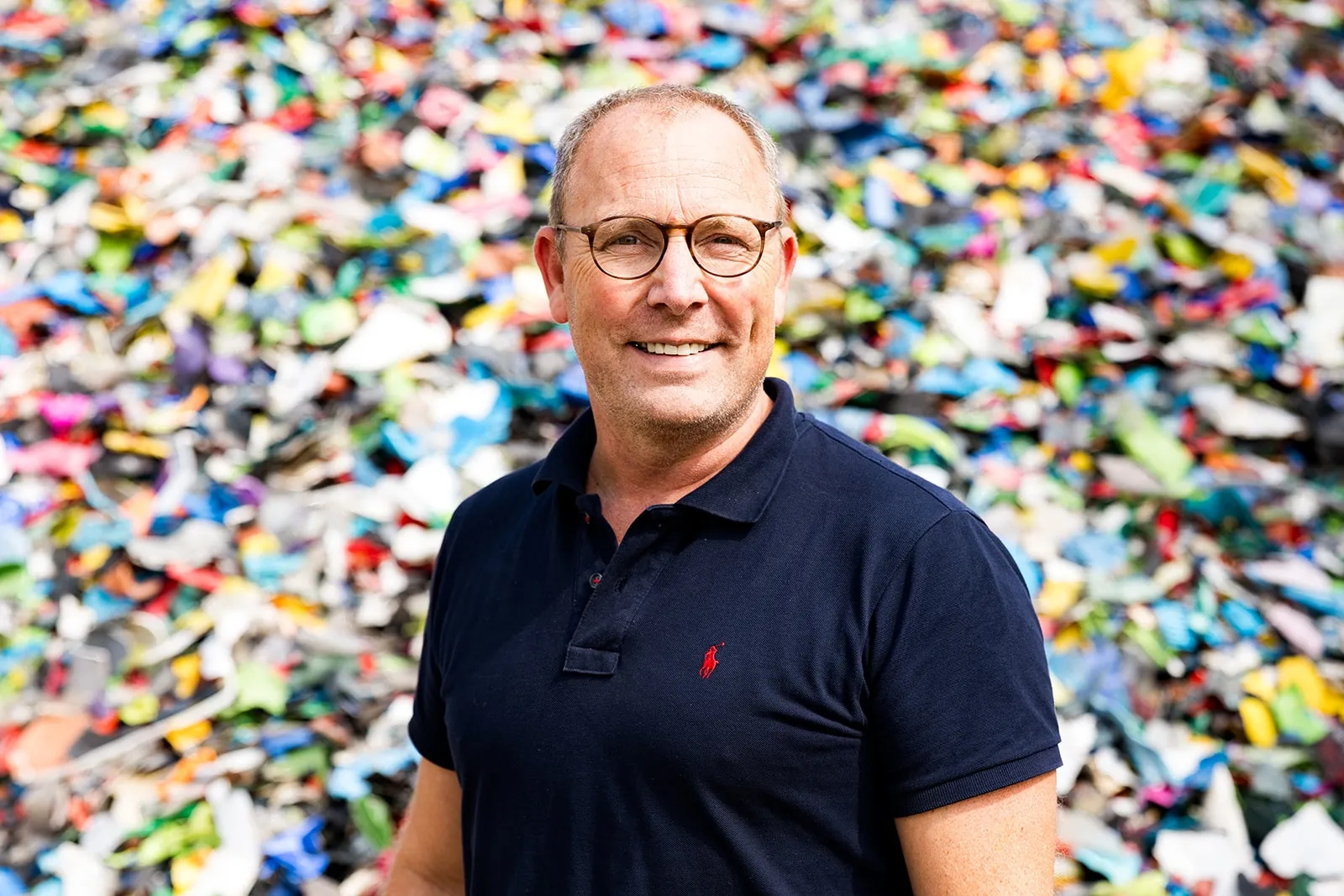
Text and images Eric van Roekel, Managing Director Van Werven Plastic Recycling Holding
The plastics market is once again under pressure. Not because of a single cause, but due to a combination of factors that reinforce one another: geopolitical uncertainty, rapidly changing regulation and a market structure still heavily reliant on old reflexes. For those working in recycling, this is familiar territory, but the intensity and breadth of current developments make this an exceptional period.
Unrest in the Middle East is a clear example. Conflicts in the region have a direct impact on energy prices, petrochemical production and global logistics flows. Routes become longer, risk premiums rise and reliable supply becomes less certain. For virgin plastics, this translates almost immediately into price pressure and volatility. A raw material long regarded as stable and predictable suddenly proves vulnerable.
Good news for recycling?
The common reaction is to conclude that this automatically benefits recycling. After all, higher virgin prices make recyclate relatively more attractive. That reasoning is understandable, but also too simplistic. Recycling does not automatically benefit from geopolitical uncertainty; in many cases, it faces the same cost increases. Energy, transport, finance and residue disposal are also becoming more expensive. Moreover, the recycling market remains sensitive to short-term movements and opportunistic behaviour. What makes this period particularly interesting is that geopolitical pressure coincides with an acceleration in regulation. In Europe, the shape of the new plastics order is becoming increasingly clear. Mandatory recycled content, stricter traceability requirements, more extensive reporting obligations and growing attention to quality and suitability for use are fundamentally changing the market. These are not temporary measures, but structural interventions that are forcing the value chain to mature.
Strategic pillar
This requires action from all players. Producers must look beyond price per tonne. Policymakers must remain consistent, even when the market faces temporary headwinds. And recyclers, in particular, must continue investing in quality, transparency and scale, especially in uncertain times. Recycling is no longer a residual category; it is a strategic pillar underpinning the supply of raw materials, climate policy and industrial autonomy. Yet in practice, I still see recycling treated too often as an offshoot of the virgin market, as if recyclate only has a right to exist when virgin material becomes expensive enough. That is a vulnerable position. It makes the sector dependent on external shocks rather than on creating value of its own. And that value is becoming increasingly clear: local availability, a lower carbon footprint, less dependence on geopolitically unstable regions and a direct contribution to circularity. The current market uncertainty exposes a deeper problem: for years, we have made recycling efficient, but not sufficiently resilient. We have focused on costs, but too little on resilience. That is now taking its toll. A mature recycling market requires long-term relationships, fair pricing mechanisms and recognition of risks that cannot be borne by recyclers alone. Without this, investment remains vulnerable and innovation lags behind. In addition, the forthcoming regulation leaves no room for a laissez-faire approach. Companies will have to demonstrate where their materials come from, what they contain and how reliable the supply chain is. This is only possible if recycling companies are financially healthy and able to invest in systems, people and technology. A market that structurally undervalues recycling is undermining its own policy objectives.
Catalyst
Could the current uncertainty nevertheless act as a catalyst? I think so, but only if we draw the right lessons. Not by hoping for permanently high virgin prices, but by recognising that dependence on fossil raw materials and long supply lines is a strategic risk. Recent years have shown how quickly certainties can evaporate. Energy crises, pandemics and geopolitical conflicts are no longer exceptions, but structural factors. Recycling offers an alternative that is closer to home, more stable and easier to manage. But that alternative will only work if we are prepared to take it seriously. That means price cannot be the sole criterion, quality must be rewarded, and long-term cooperation must become the norm rather than the exception. It also means that, as a sector, we need to be clearer about what recycling costs, what it delivers and what risks it entails. The coming period will be decisive. The market will test the limits of regulation, supply security and willingness to cooperate. I am convinced that recycling can emerge stronger, but only if we stop thinking reactively. Recycling is not an emergency solution for expensive virgin material, but a fully fledged part of a future-proof industry. Uncertainty forces us to make choices. We can keep adapting to the vagaries of the market, or we can set the direction. For me, it is clear where the future lies. Not in waiting, but in building. Not in dependence, but in autonomy. And not in short-term gains, but in structural value creation for the entire value chain.
Question about this story? Ask your question
Keep following this
Get an email when a new story is published. No account needed.
- ThemeMaking plastics and packaging circular
- SubjectVan Werven