Waste sector warns EU of impact of Dutch tax package
Text and images Vereniging Afvalbedrijven
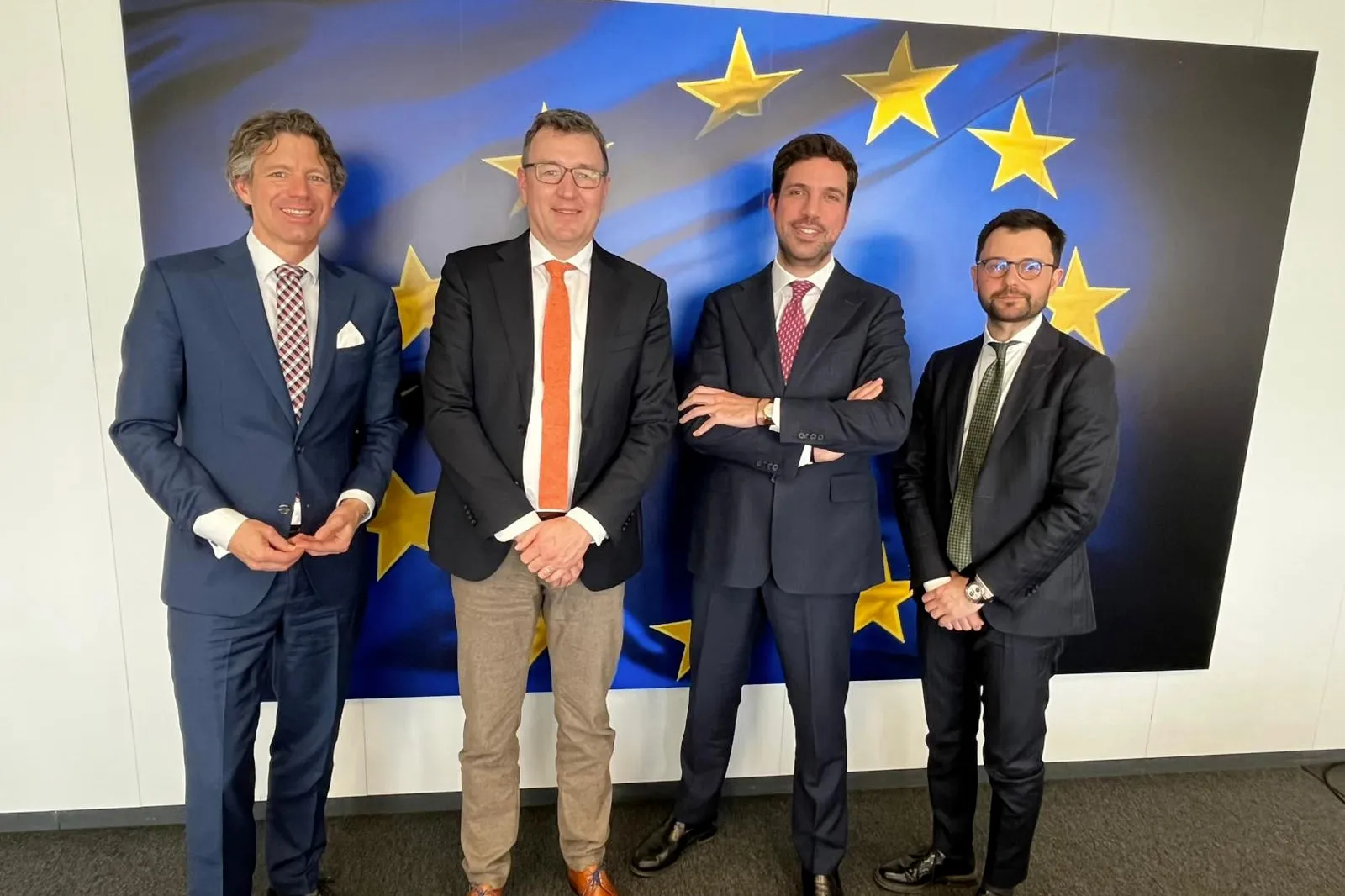
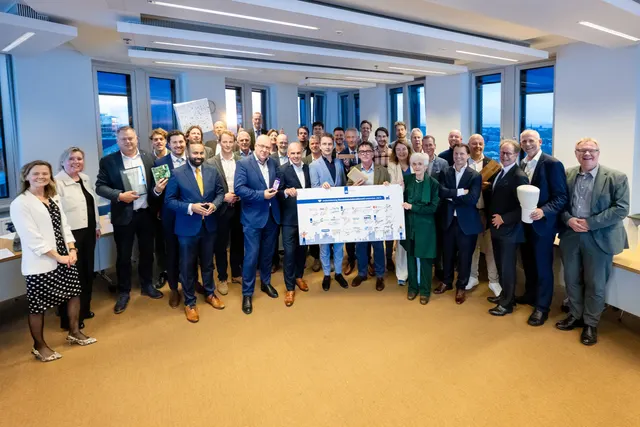
The Dutch waste sector warns that the national tax package, worth 567 million euros per year, could undermine the circular economy and climate targets in Europe. The Vereniging Afvalbedrijven discussed this with representatives of its members and FEAD, the trade association for the European waste sector, in March with the cabinet of European Commissioner Jessika Roswall (Environment, Water Resilience and a Competitive Circular Economy).
According to the Dutch sector, the proposed additional national taxes and CO2 levies risk disrupting the European internal market. If the tax burden is higher in the Netherlands than in neighbouring countries, waste streams and investment could shift elsewhere. “This will not reduce waste or emissions, but will shift activities, jobs and emissions within Europe,” says Patric Hanselman, director of the Vereniging Afvalbedrijven. And once the circular infrastructure and capacity built up in Dutch waste-to-energy plants have been dismantled, they cannot simply be recreated elsewhere in the European Union.
Circularity held back
The measures put pressure on investment in recycling and sorting plants. Rising waste treatment costs could make recycled raw materials more expensive than virgin materials, holding back circularity. If the Netherlands, a frontrunner with advanced treatment capacity, loses capacity, this could weaken Europe’s recycling capacity in the short term. The sector also points to possible overlap with the European Union Emissions Trading System (EU ETS). Additional national levies on top of this system could significantly increase CO2 costs and create uncertainty for investment in carbon capture and storage/utilisation (CCS/CCU). “Stacking national levies makes the business case unpredictable,” says Michiel Timmerije of AVR.
Greater European coordination
At the same time, there are opportunities: 30 to 40 million tonnes of waste that could be put to useful use are still landfilled in Europe every year. Modern plants can make better, more sustainable use of these streams. The sector is therefore calling for greater European coordination through the forthcoming Circular Economy Act. “A stable and predictable policy framework is needed to support investment in reducing CO2 emissions rather than hinder it,” says FEAD representative Paolo Campanella. Roswall’s cabinet has pledged to discuss these concerns within the European Commission to further assess their impact on climate and circular economy policy.
Question about this story? Ask your question
Keep following this
Get an email when a new story is published. No account needed.
- SubjectVereniging Afvalbedrijven