From material choice to recycling: how packaging shapes the carbon footprint of food
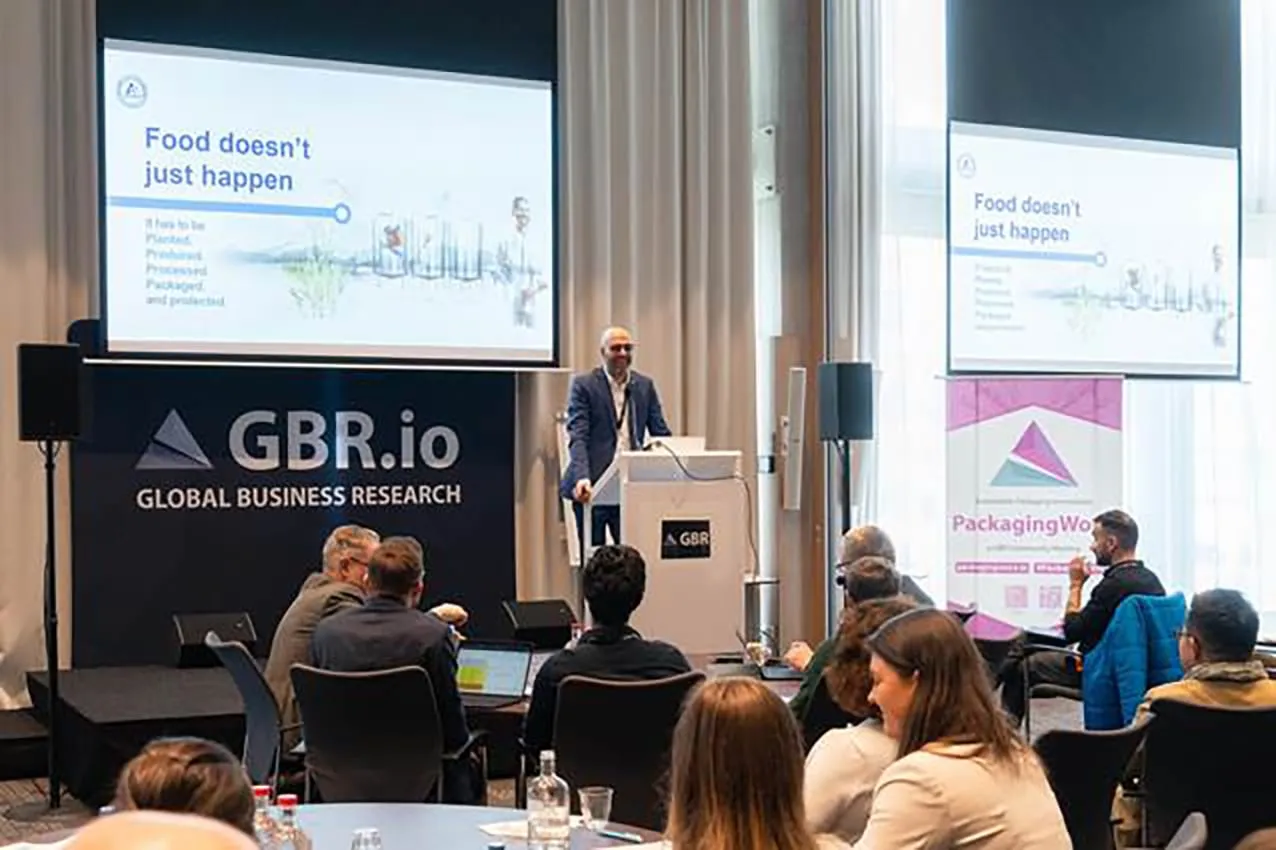
The packaging choices food companies make today will help determine how sustainable and resilient our food system is tomorrow. Cutting waste and CO₂ emissions, and increasing recycling, are high on the European agenda. Packaging waste per EU resident must fall by 15 per cent by 2040. At the same time, consumers expect greater transparency about how sustainable packaging really is. At the fifth edition of PackagingWorX in Amsterdam, Ashkan Danaei, Sales Director at Tetra Pak France & Benelux, explained how packaging design is evolving from a purely protective function into a decisive factor in climate impact. He highlighted the Netherlands as an example of how renewable materials and collaboration can accelerate the transition.
The fifth edition of PackagingWorX took place in Amsterdam from 9 to 10 March 2026, in partnership with the Global Business Research community. The event brings policymakers, industry and NGOs together to address one central question: how can we make the entire packaging life cycle circular and future-proof?
Packaging helps determine food’s climate impact
At the event, Ashkan Danaei, Sales Director at Tetra Pak France and Benelux, discussed the changing role of packaging. “Packaging does more than protect a product; it also helps determine the climate and material footprint of food”, he said. Reducing food loss, cutting CO₂ emissions and improving recycling all start with design choices. Decisions made by the sector today will have an impact across the value chain for years to come. Key priorities include using more paper-based materials, simpler structures and packaging designed for recycling from the outset.
One example is aseptic beverage cartons with a paper-based barrier. “They almost completely replace the traditional aluminium layer, consist of up to 90 per cent renewable materials and reduce the carbon footprint by about a third compared with conventional alternatives”, Ashkan explained.“At Tetra Pak, we continue to invest in future-proof packaging like this, together with partners across the value chain. For example, Tetra Pak previously invested around €3 million with Yellow Dreams in a new recycling plant in Ittervoort, and €1 million in Recon Polymers in Roosendaal. The company processes PolyAl from beverage cartons into reusable raw materials for the plastics industry.” Independent research also shows that fibre-based beverage cartons often have a lower climate impact than alternatives in several European markets.
The Netherlands leads the way in renewable materials
Reducing the climate impact of a beverage carton means looking beyond the carton itself. Caps and coatings also play a part. The Netherlands is leading the way in this area. The use of plant-based polymers in caps and coatings is growing rapidly in the Benelux and Western Europe. These materials reduce dependence on fossil resources and increase the share of renewable materials in packaging, without compromising food safety or functionality.
“When brands, suppliers and retailers work together to choose renewable materials, new packaging can reach the market faster”, he said. “Tetra Pak has already supplied 12.3 billion plant-based caps and more than 11 billion packages containing plant-based polymers worldwide. This avoided around 47 kilotonnes of CO₂ compared with fossil-based alternatives. The Dutch market played an important role in this early adoption.”
Circularity requires collaboration across the value chain
But choosing sustainable materials alone is not enough. Without collection, sorting and recycling, circularity remains an ambition on paper. Action across the entire value chain is needed to reduce the impacts of climate change.
That is why Tetra Pak is working with recycling companies, local authorities and customers. Investing together in recycling infrastructure and making packaging simpler and easier to recycle increases the likelihood that materials will actually be reused. The better the links between the different stages, the faster circular solutions can be implemented at scale. “The packaging of the future will do more than protect products”, Ashkan concluded. “It must keep food safe while also reducing its climate impact. That can only happen if the entire value chain works together.”
Question about this story? Ask your question
Keep following this
Get an email when a new story is published. No account needed.
- ThemeMaking plastics and packaging circular
- SubjectSustainability