












312,000 m³ of soil excavated to remediate former arsenic factory
Text and images Valérie Couplez
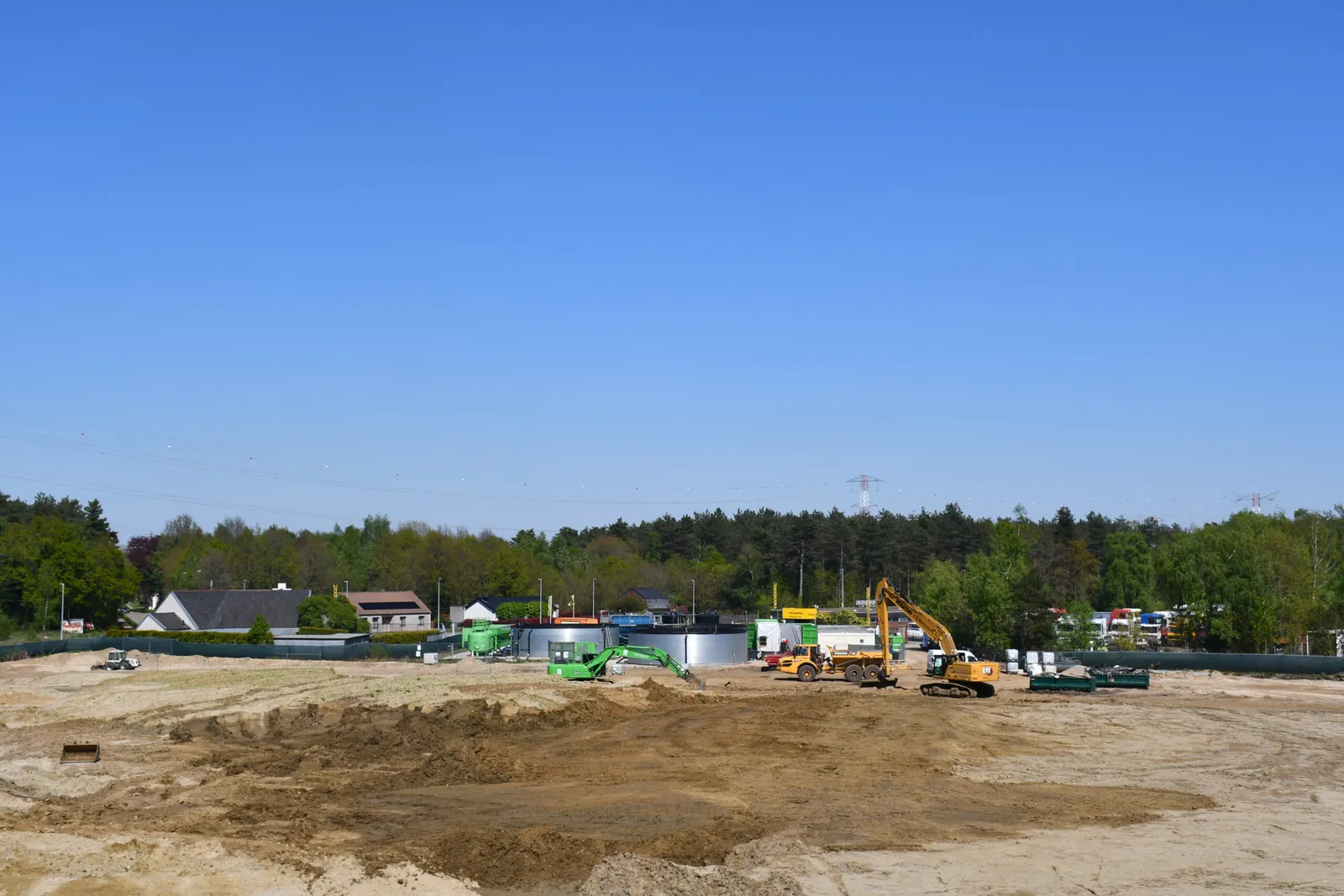
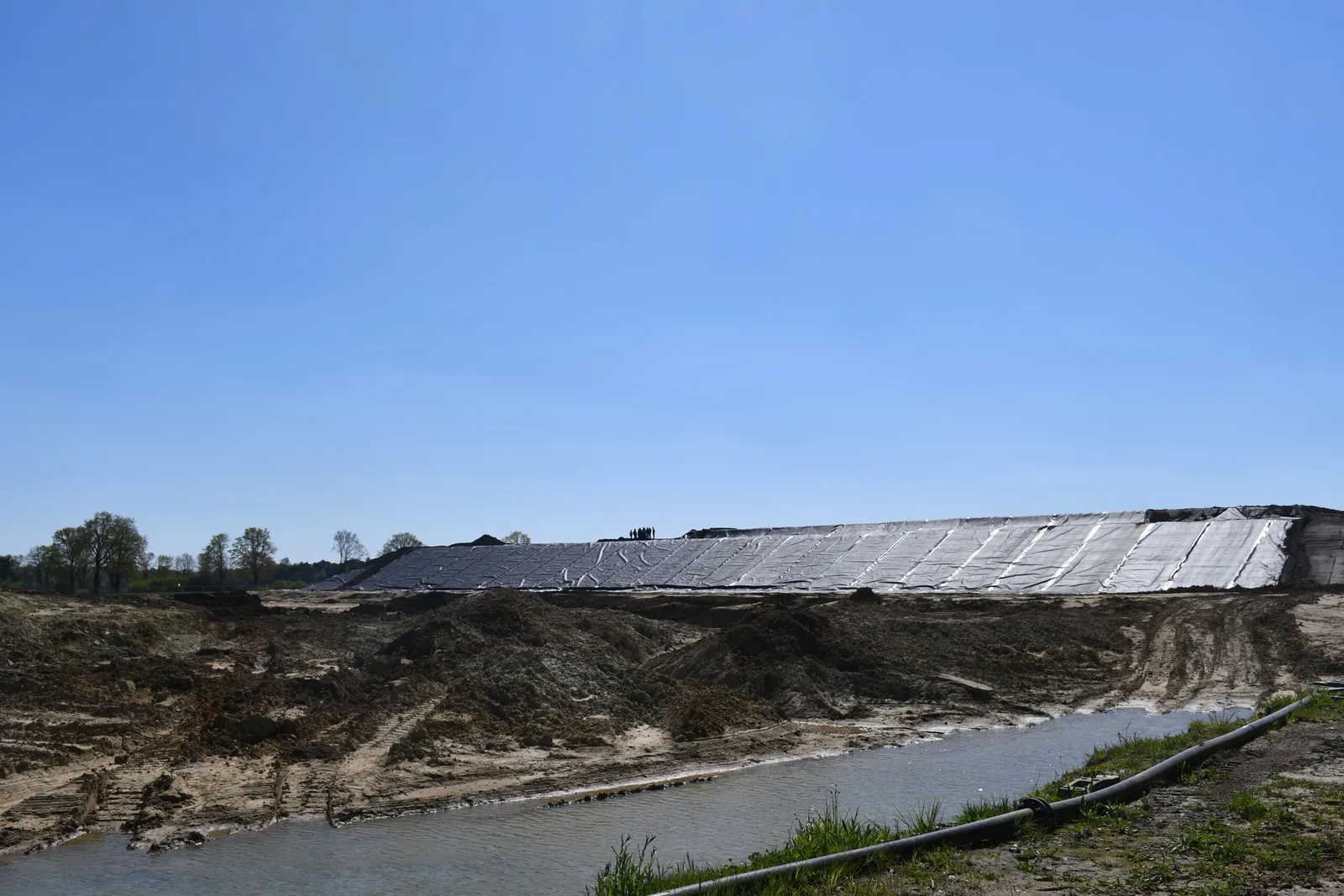
Remediation work at the former arsenic factory in Reppel has been under way for two years. During that time, the teams from DEME and Antea have made considerable progress. A total of 312,000 tonnes of soil has been excavated, and more than 2,450 tonnes of arsenic has been removed from the groundwater. As the work gradually nears completion, OVAM invited local residents to visit the remediation mound before it too is sealed off completely and given a new lease of life. They turned out in large numbers to see just how safe their surroundings are now. RecyclePro was there too, joining them on top of the 8 m-high remediation mound.
For decades, the arsenic factory in Reppel, a district of Bocholt, played an important economic role in the region. Its nickname, the ‘Big Factory’, was no coincidence. From the late nineteenth century until it closed in 1971, arsenic was extracted from ores at the site for use in products including paint, glass and medicines. What was not known at the time was that these activities had allowed heavy metals to enter the soil and groundwater in various ways. The contamination was caused, among other things, by the above-ground storage of waste, the discharge of wastewater during production and atmospheric deposition from the factory chimney. The contamination could also spread underground via the groundwater, including beyond the site itself. In 2001, the last remains of the factory were demolished, and the soil was carefully excavated and covered to protect the surrounding area from arsenic pollution. However, the contamination remained in the ground.
Two years of remediation work
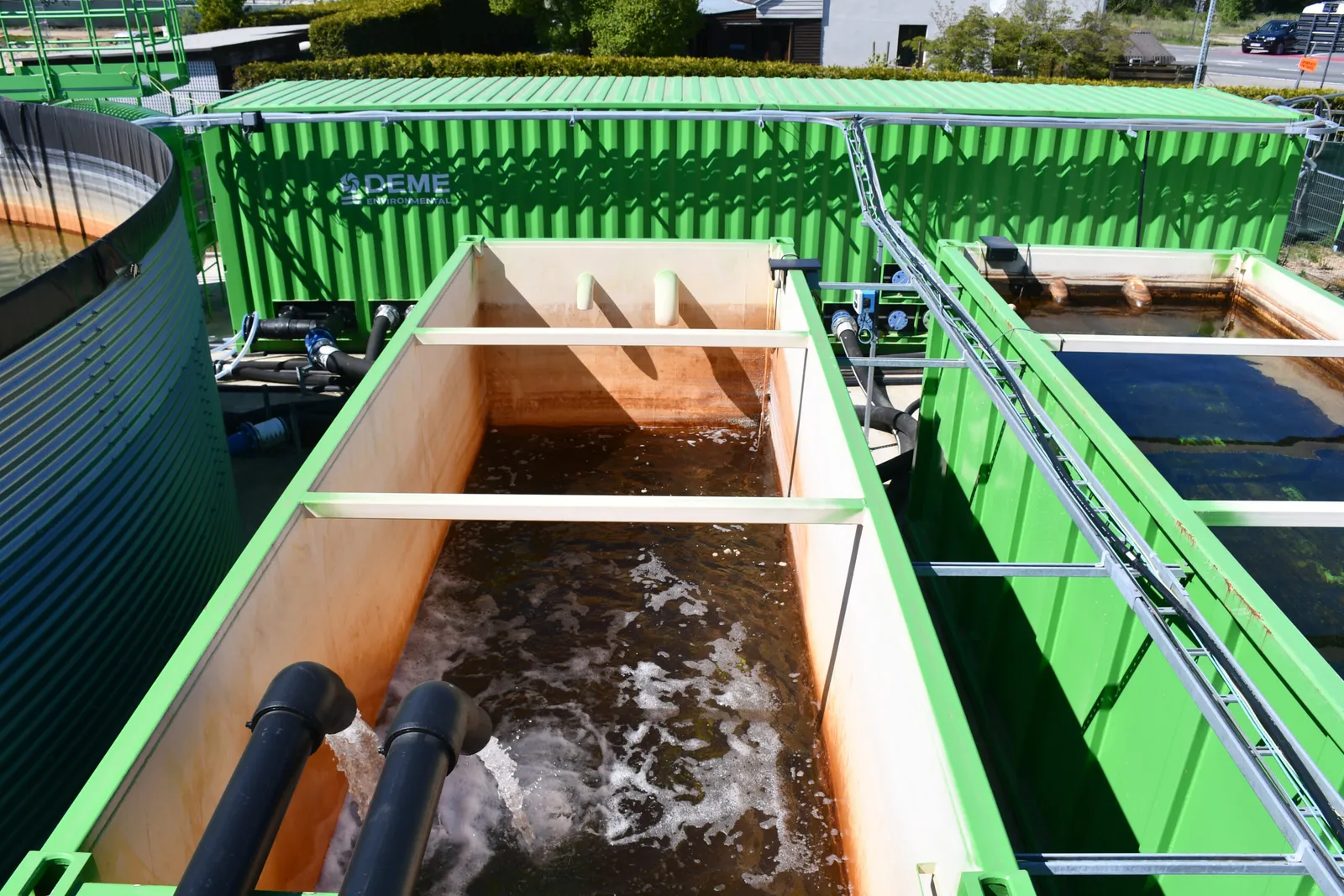
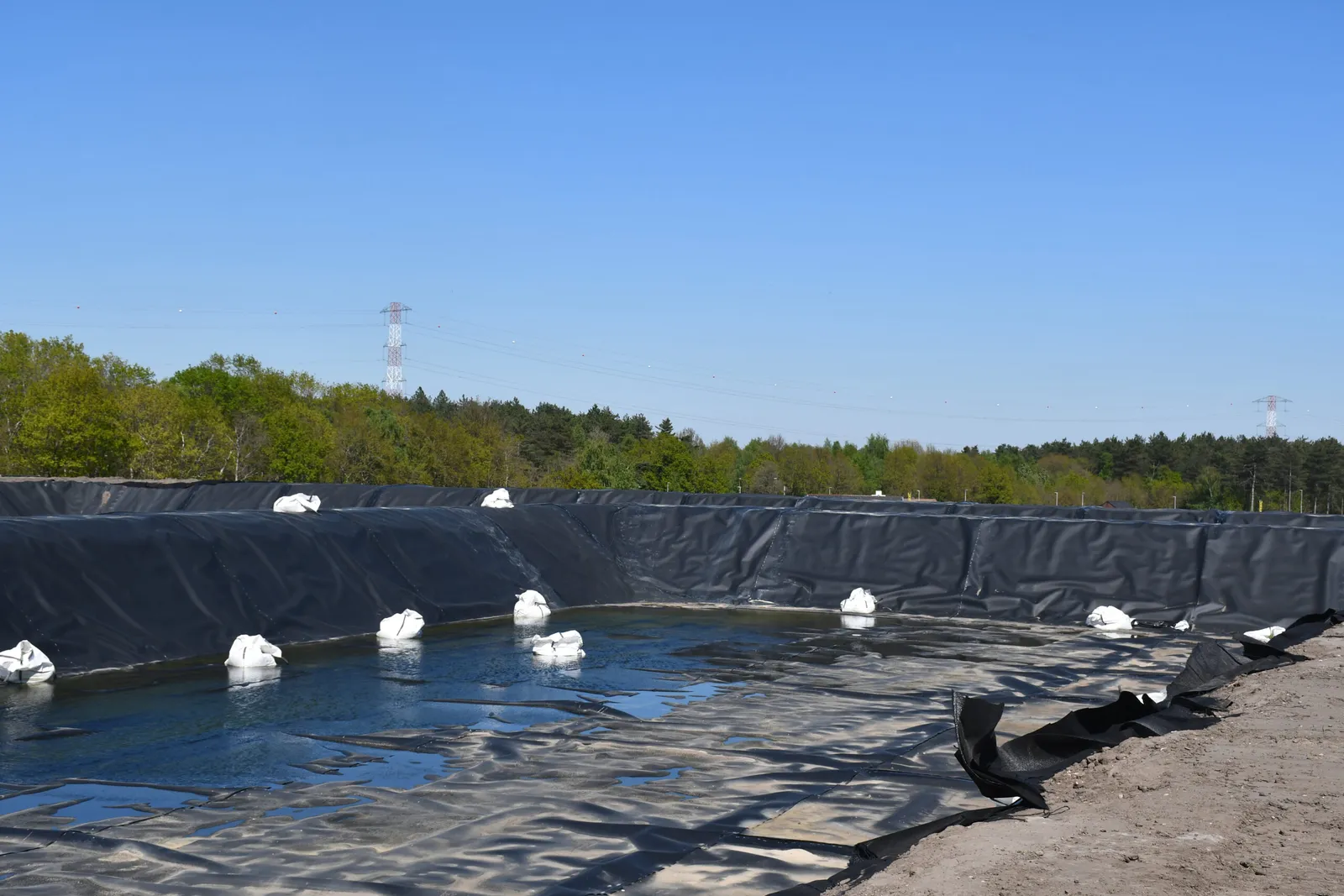
In 2019, the findings of investigations into the extent and depth of the contamination were presented at a residents’ meeting. The plan was to excavate the contaminated soil and store it in an isolated containment cell. This was to connect to the existing containment cell built in 2001, and to be capped at both the top and bottom with clay mats and sheeting to isolate the contamination from its surroundings. This approach is designed to prevent further spread via groundwater or wind. In the forest and further downstream, the contamination is being addressed by pumping up the groundwater, treating it in three stages, coagulation, flocculation and sand filtration, and allowing it to seep back into the ground through a constructed ditch. This work took place from April 2024 to June 2026. Minimising dust and noise nuisance was the top priority. Dust measurements were carried out regularly to check for any pollution. Readings never exceeded the safe limit of 350 µg/m²/day. Monitoring will continue over the coming years.
Impressive remediation figures
The work involved treating exceptional volumes of contaminated soil and water. A total of 312,000 m³ of soil was excavated. Of this, 245,000 m³ was heavily contaminated. This soil was safely packaged and permanently stored in a purpose-built remediation cell, 8 m high. Local residents were given one last opportunity to visit before it was permanently sealed off. To keep the plume of contaminated groundwater under control, 290,000 m³ of groundwater was pumped out and treated. This removed approximately 2,450 kg of arsenic from the groundwater. Thanks to these measures, the historical contamination is now under control and further spread is being prevented. After years of uncertainty about soil quality in their living environment, it was important for local residents to see this for themselves.
A future for the site
The remediation cell will be finished and covered with clean soil in the coming period, creating opportunities for nature to flourish again. A green seeding regime has been chosen to support biodiversity, with attention to both flora and fauna. The municipality and province are also exploring how the site could once again serve a meaningful economic purpose. One option under consideration is installing solar panels on the remediation cell, potentially combined with battery storage, given the site’s proximity to the high-voltage grid. This project not only addresses a historical environmental problem, it also gives heavily burdened land a future, step by step, in dialogue with the local community and with respect for people, the environment and future generations.
Een zakelijke vraag aan OVAM? Get in touch
Companies in this story

Keep following this
Get an email when a new story is published. No account needed.
- ThemeSafe and clean processing
- SubjectNews
- CompanyOVAM







