Hardfacing: the key to a lower Total Cost of Ownership
Text Els GoethalsImage Geurts van Kessel Hardfacing
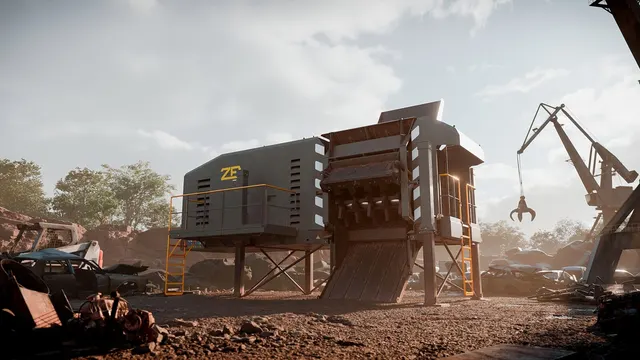
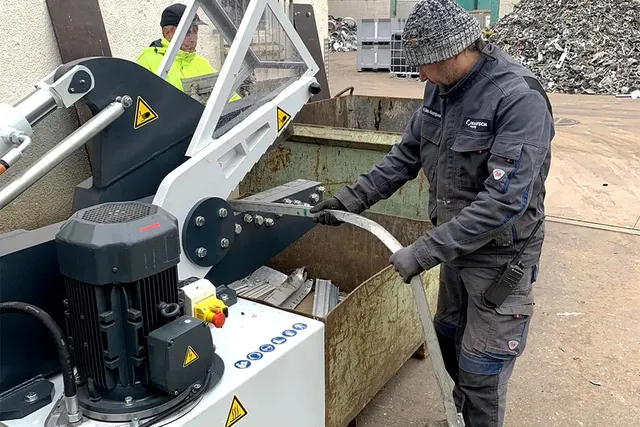
Crushers and shredders are the workhorses of waste processing. They are essential for efficiently reducing a wide range of waste streams, from scrap metal to wood waste and construction rubble, and turning them into high-quality raw materials. As these machines often require a substantial investment, it is vital to keep them in top condition. That makes taking a proactive approach to protection essential.
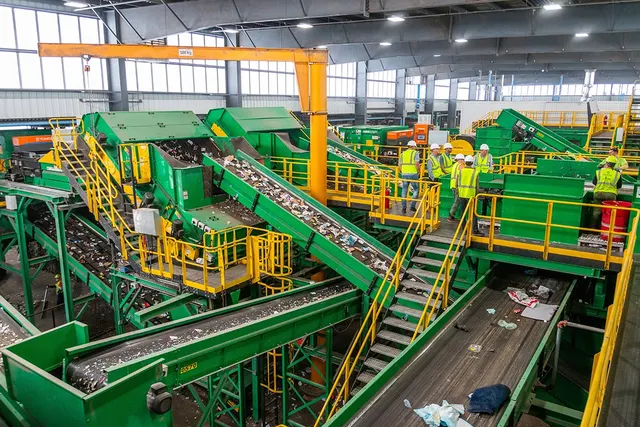
A large proportion of component wear is caused by the constant abrasive action of materials, compounded by the high mechanical forces involved in processing. Reliable operation starts with paying attention to the entire recycling process. Preventive maintenance is also essential to ensure the plant continues to perform optimally over the long term.
Preventing unnecessarily rapid wear
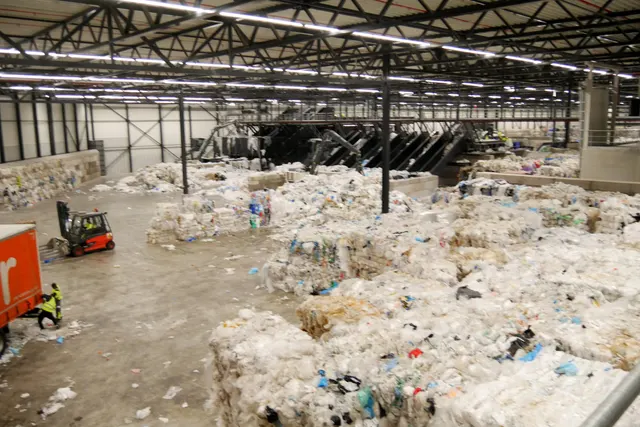
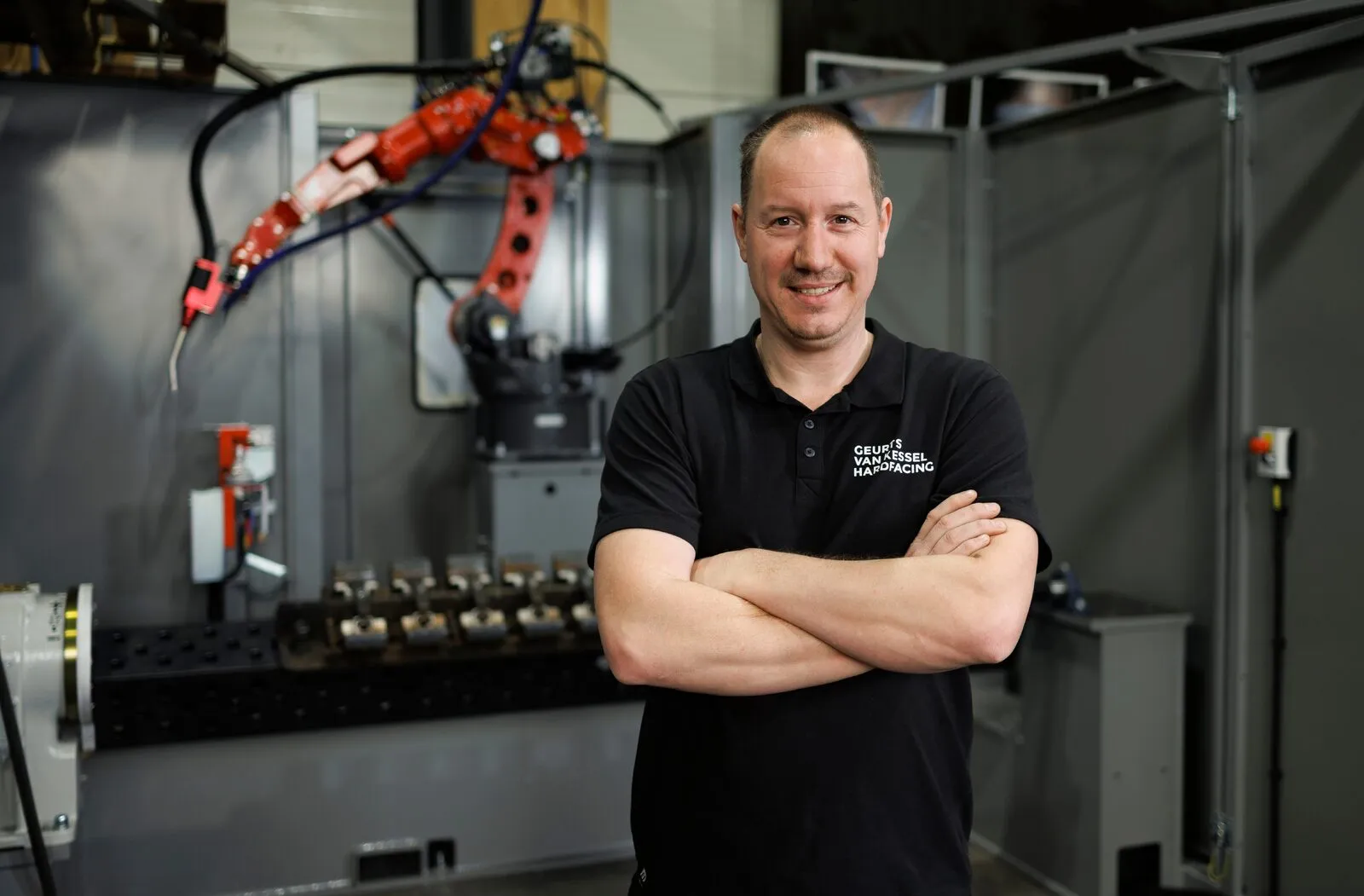
“Day-to-day experience shows that not all wear is the same. As a hardfacing company, we see components arriving every day, which allows us to distinguish clearly between normal wear and unnecessarily rapid wear. This insight helps us make targeted improvements,” says Kim Geurts van Kessel, co-owner of the company that bears her name. “For example, peak loads, often caused by uneven feeding, increase the risk of accelerated wear. Foreign objects or hard materials in the waste stream can even cause immediate damage to rotors, teeth and other crucial components. So the first step in preventing unnecessary wear is not to make a technical change to the machine, but to improve the process. Thorough pre-sorting saves money and helps extend the service life of the crusher or shredder.”
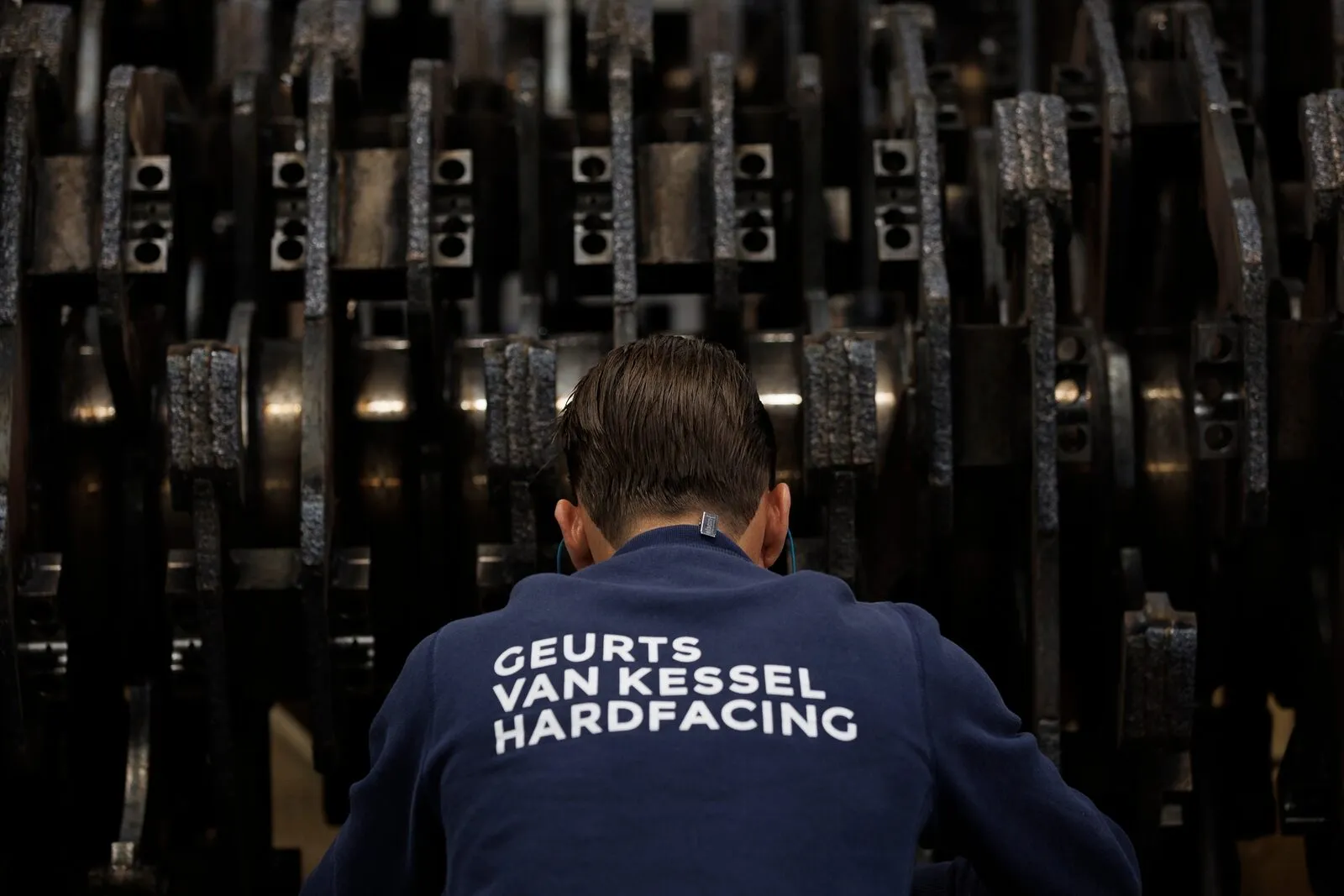
Preventive protection with hardfacing
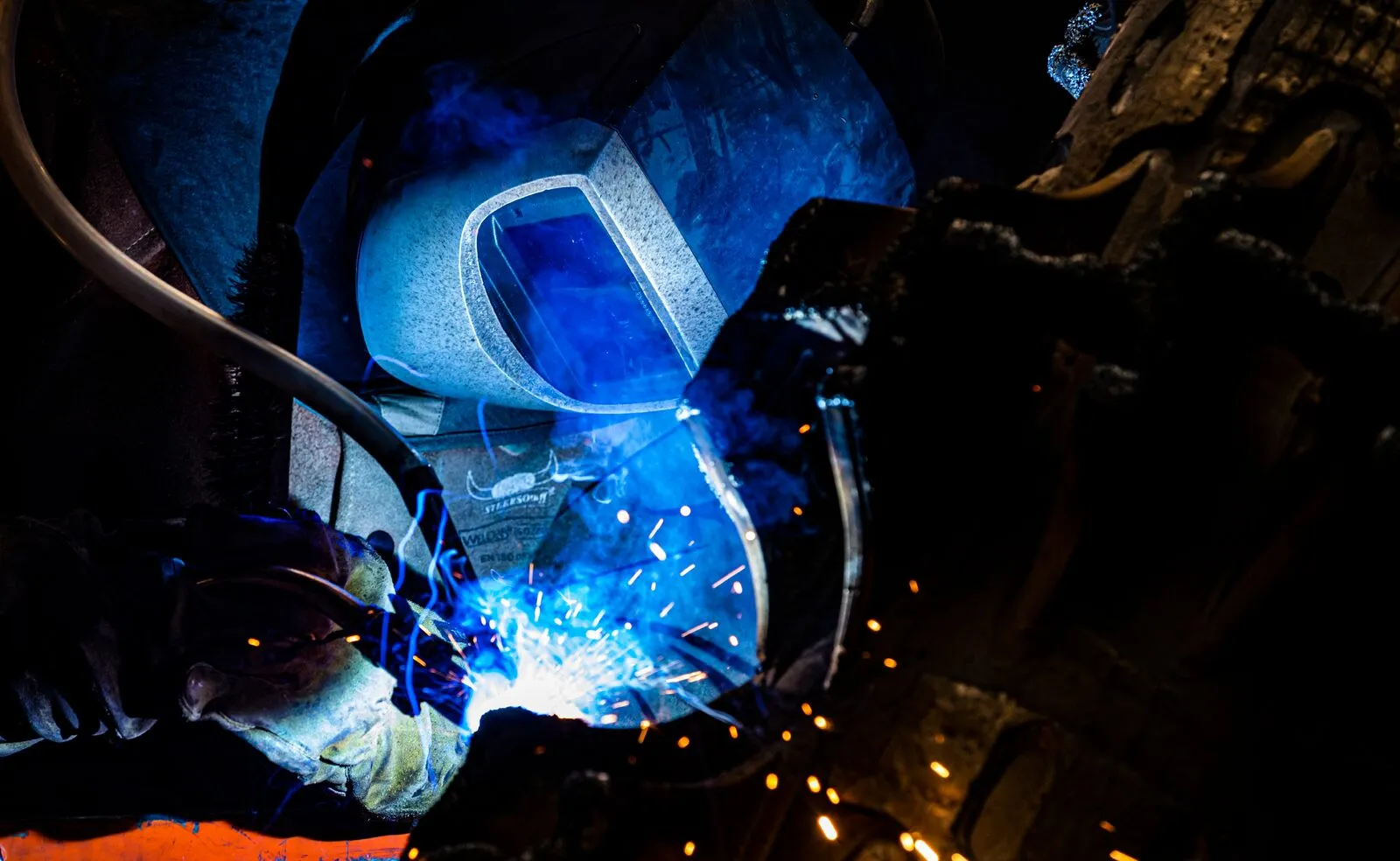
Unfortunately, normal wear cannot be avoided. Materials such as sand, glass and stone act as abrasives throughout the process. “That is why investing in wear-resistant materials and wear layers pays off,” Geurts van Kessel continues. “By using hardfacing to protect critical areas, the wear-resistant top layer absorbs the impact and prevents premature damage to the component itself. A common mistake is to use components until they are completely worn out. Once the top layer has disappeared entirely, the underlying structure starts to wear. This makes refurbishment more complex, or even impossible, often leading to the replacement of entire components.”
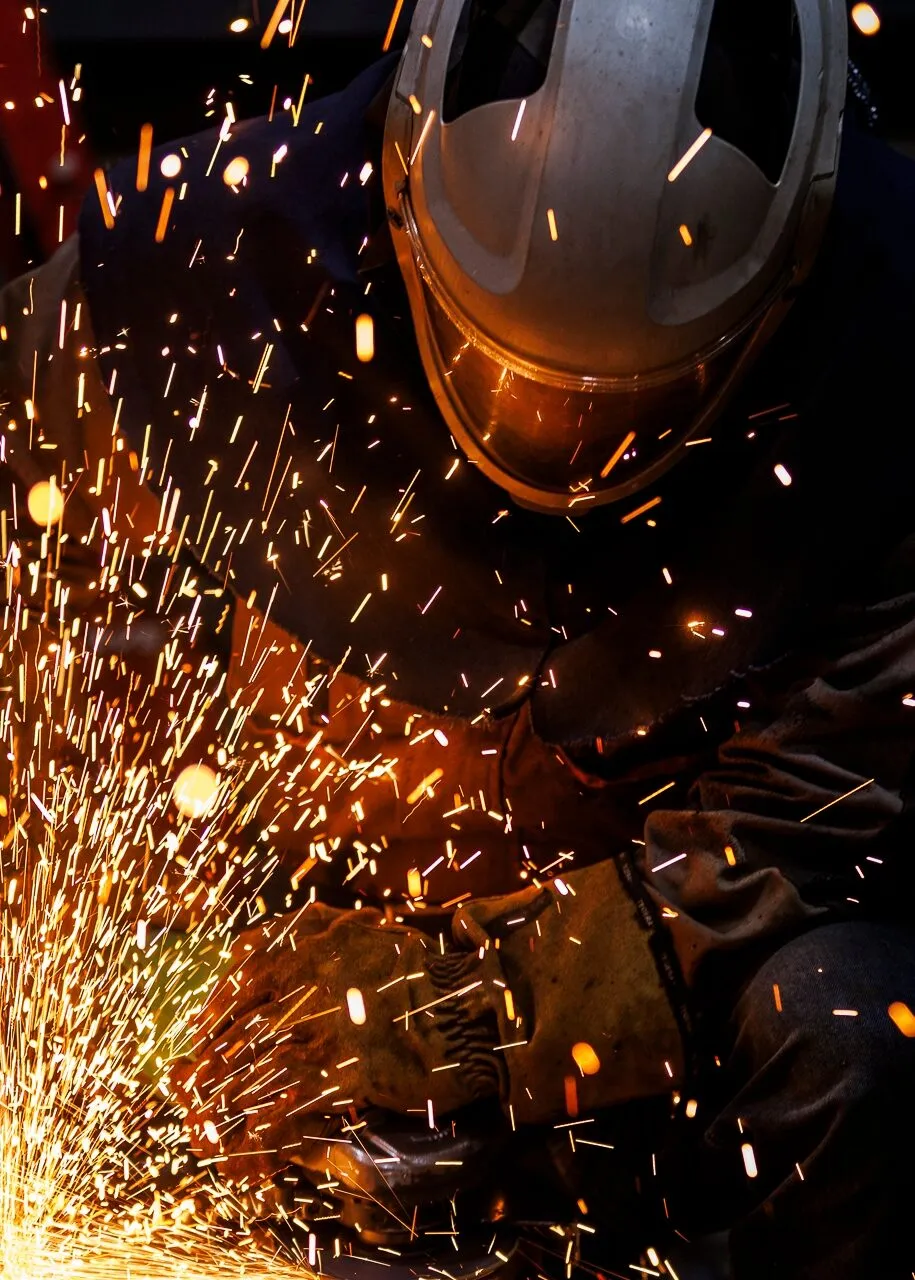
From prevention to prediction
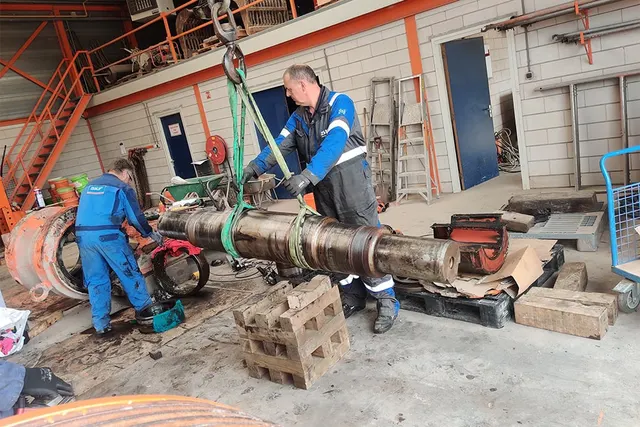
“Refurbishment is about much more than repair. A professional refurbishment process restores a component to an almost-new condition. This not only limits component wear, but also helps prevent breakdowns and extend the service life of machines,” Geurts van Kessel explains. “At Geurts van Kessel Hardfacing, we are proud of our many years of expertise. Our knowledge goes beyond applying wear layers. Every worn component is a valuable source of information about the plant’s performance. It tells us not only about the condition of the component, but also about the loads it has been subjected to. By thoroughly analysing wear patterns, we identify the cause: uneven material feed, impact from foreign objects, incorrect adjustment or an unusual load. These insights make maintenance not only preventive, but also predictive, enabling potential problems to be identified and addressed in good time.”
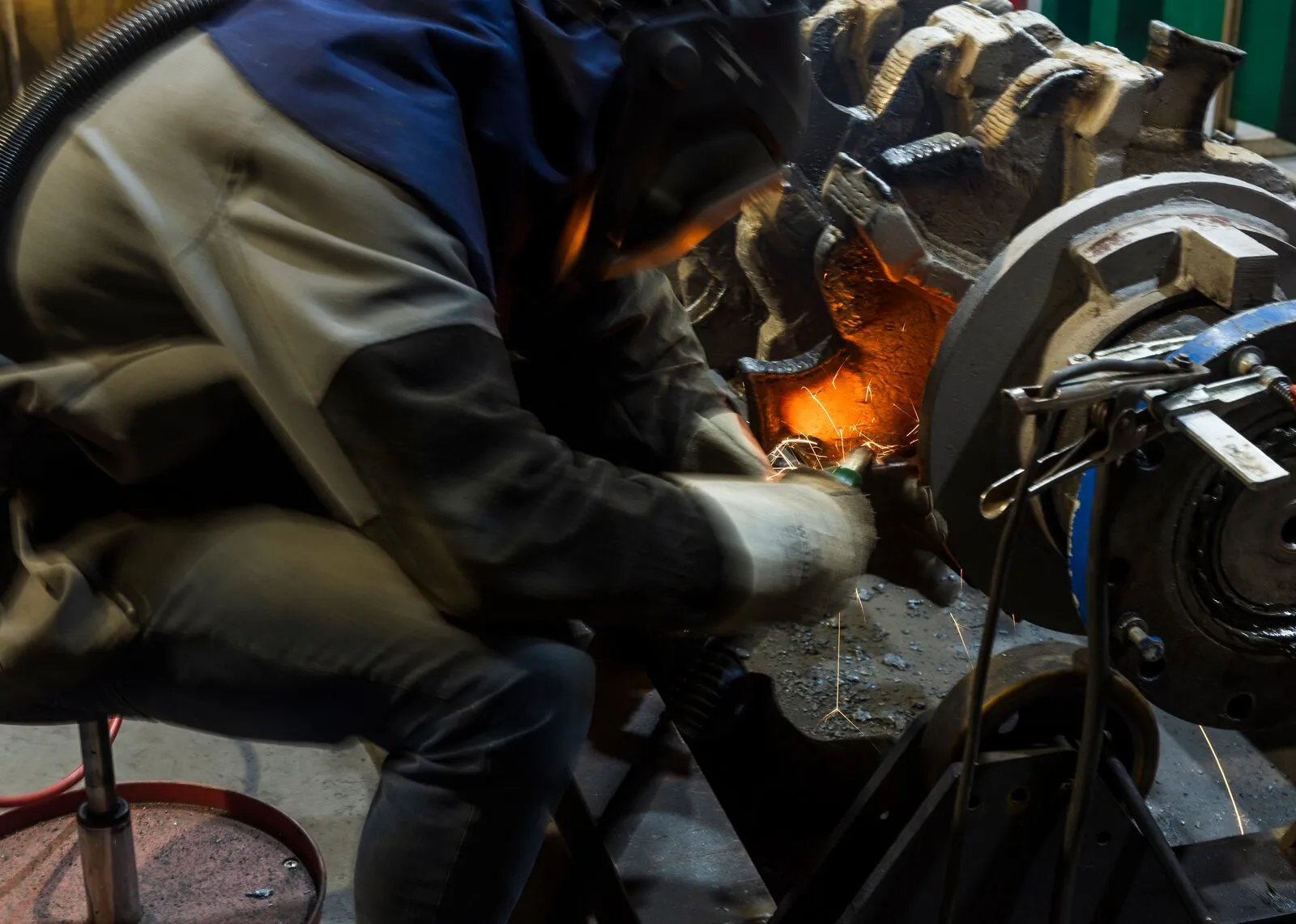
Getting the most out of recycling plants
“To achieve a lower Total Cost of Ownership, the team looks at the whole picture together with the customer. The greatest gains come from combining several factors: optimal pre-sorting and feeding, timely inspections, and the right wear protection at the right time. It all works together to deliver lower maintenance costs, less unplanned downtime and greater operational reliability. We go ‘the extra mile’ for our customers,” Geurts van Kessel concludes.
Question about this story? Ask your question
Keep following this
Get an email when a new story is published. No account needed.
- ThemeSmarter use of machinery and plant
- SubjectRecycling plants