












The impact of European legislation on paper, cardboard and plastics
Text Valérie CouplezImage Valipac
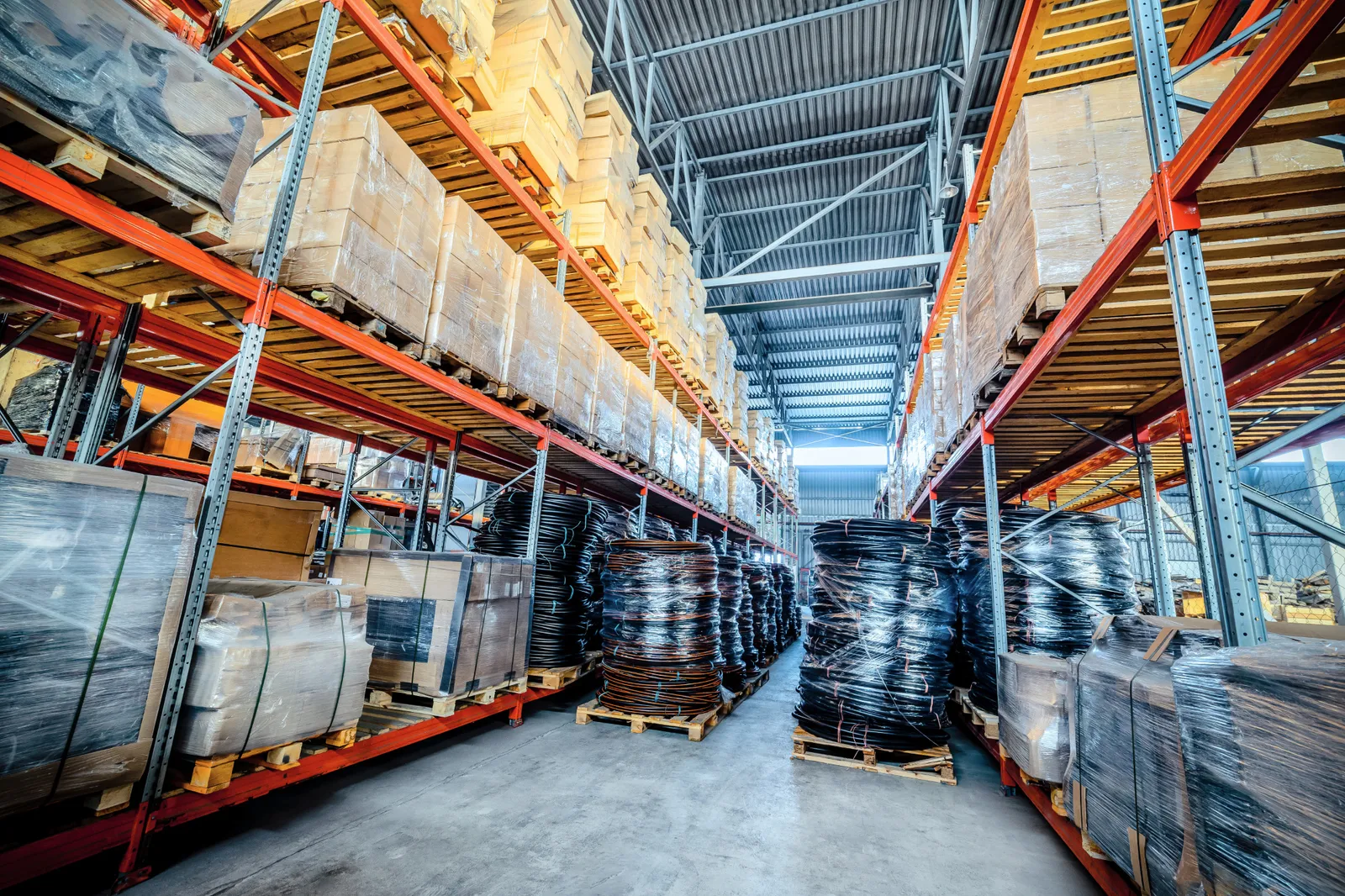
A host of new European regulations are on the horizon in the short and medium term, set to have a profound impact on the recycling landscape. Not only will supply and demand change, we are facing a transformation in how businesses collect, sort and recycle packaging waste. Xavier Lhoir, deputy managing director of Valipac, outlines the future in which Valipac aims to continue proving itself as a partner businesses can rely on.
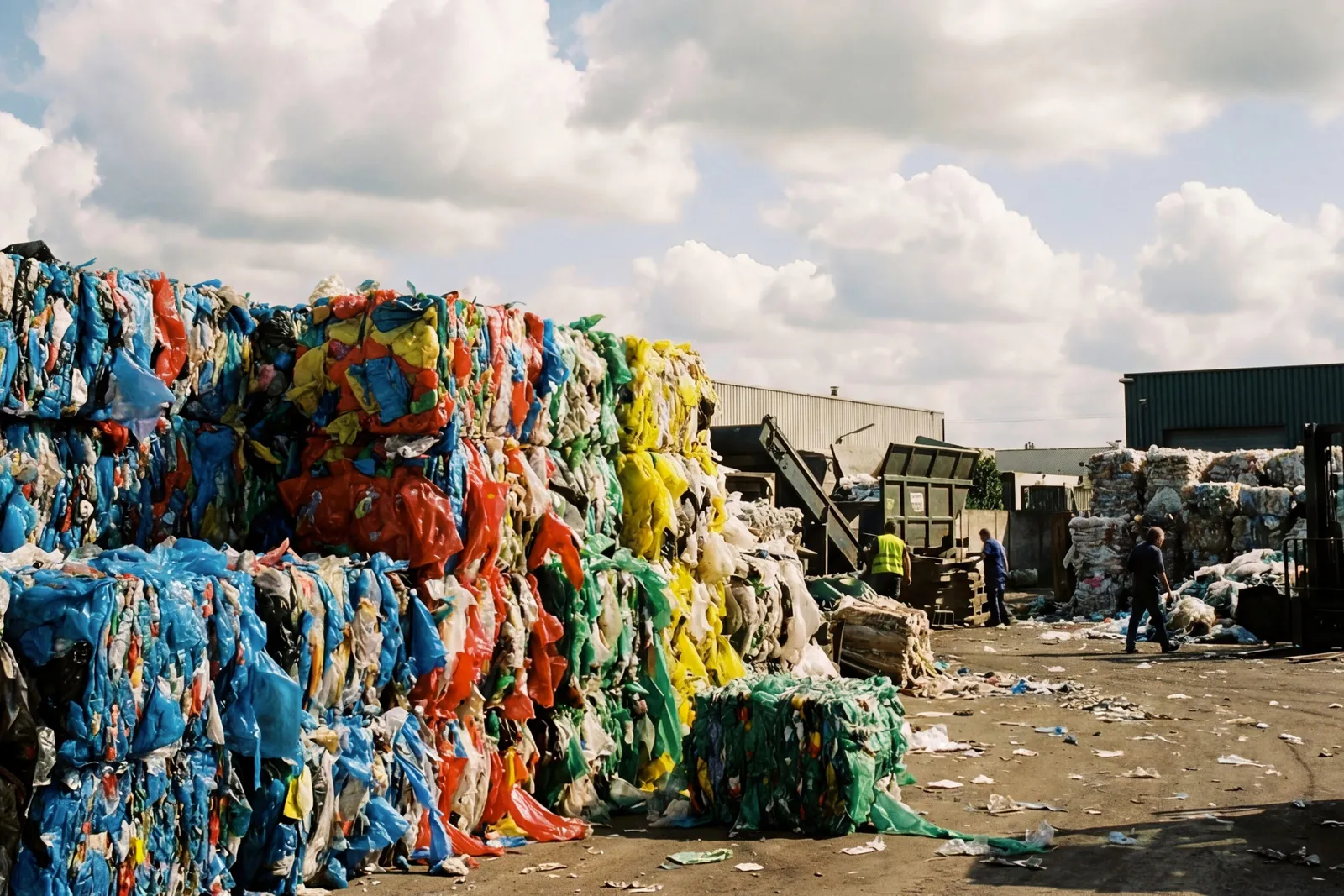
The next legislative milestone is the Waste Shipment Regulation. “Everyone is looking to November, when plastic waste can no longer be exported to non-OECD countries. But we will feel the impact on the European market earlier,” Lhoir warns. “From May, notification will be mandatory. We believe low-grade plastic waste streams will be hit hardest. With this in mind, Valipac launched a market survey in February to ensure local recycling for big bags and coloured films. It hopes to announce partners for this in July.
Preferred partner
“For the other streams, we are waiting for now to see how the market develops after the export ban. If it turns out that the market value of other materials also fails to remain positive, we have various scenarios in mind to set change in motion. Through initiatives like these, we want to prove ourselves a good partner for all stakeholders in the value chain for commercial packaging waste. Our goal is to meet the recycling targets imposed on our customers as efficiently as possible. At the same time, we also want to remain a preferred partner for collectors. We need everyone to help restore positive market dynamics as soon as possible,” says Lhoir, looking ahead.

Change to the definition of producer
The arrival of the Packaging & Packaging Waste Directive (PPWR) could act as a catalyst. From 2030, it will set binding, specific targets for recycled content. For transport packaging, for example, the target is 35%. “We expect supply and demand for recyclate to return to better balance as early as 2028 or 2029.” This is a development the sector, particularly plastics, is keenly awaiting. But that is not the only impact the PPWR rules will have. “They also change the definition of producer,” Lhoir explains. He gives the example of rigid packaging such as pallets, which will also be subject to reuse targets. “Today, Belgian businesses that use them are considered producers. A food company such as Coca-Cola therefore reports all the pallets it uses to us. Under the PPWR, pallet manufacturers and repairers will also be considered producers in some cases. They will then have to report to Valipac how many pallets they supply to Coca-Cola and pay the associated contribution. That will become a complicated tangle,” Lhoir predicts.
Fewer materials, different materials
In addition, the volume of commercial waste, including plastics, wood, paper and cardboard, and metal, must fall, partly through greater reuse. A third requirement under the PPWR concerns the recyclability of packaging. The precise definition has yet to be agreed. It is already clear, however, that Valipac, as the compliance scheme, will have to introduce eco-modulation into its fee structure. Producers will also need to be able to substantiate the recyclability of their products. “If we took a snapshot of the commercial packaging waste market now and another in 2030, they would be fundamentally different in terms of volume and composition. The market underestimates the impact and the consequences for the entire value chain. That is why, through this publication and our own newsletters, we are trying to raise awareness. As mentioned, we want to establish ourselves as a reliable partner and are keen to engage in dialogue about the practical implications for all stakeholders,” Lhoir concludes.
Een zakelijke vraag aan VAL-I-PAC? Get in touch
Companies in this story
Keep following this
Get an email when a new story is published. No account needed.
- ThemeMaking plastics and packaging circular
- SubjectNews
- CompanyVAL-I-PAC







