“Sustainability deserves high-quality certification”
Text Björn CrulImage Louwers Mediagroep

Sustainability and circularity are high on the agenda at COPRO, a certification body for the construction and infrastructure sector. Its certification guarantees high-quality products and provides assurance that processes on construction sites are carried out correctly. But the environmental impact, recyclability and circularity of products are also increasingly in focus.
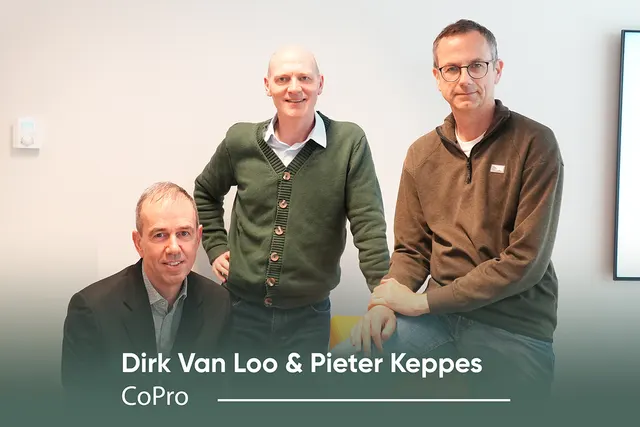
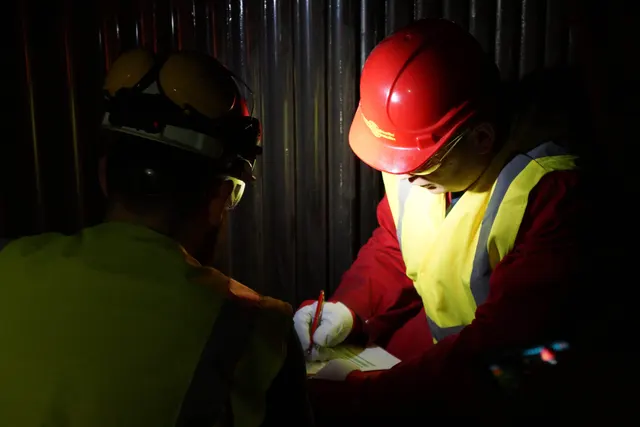
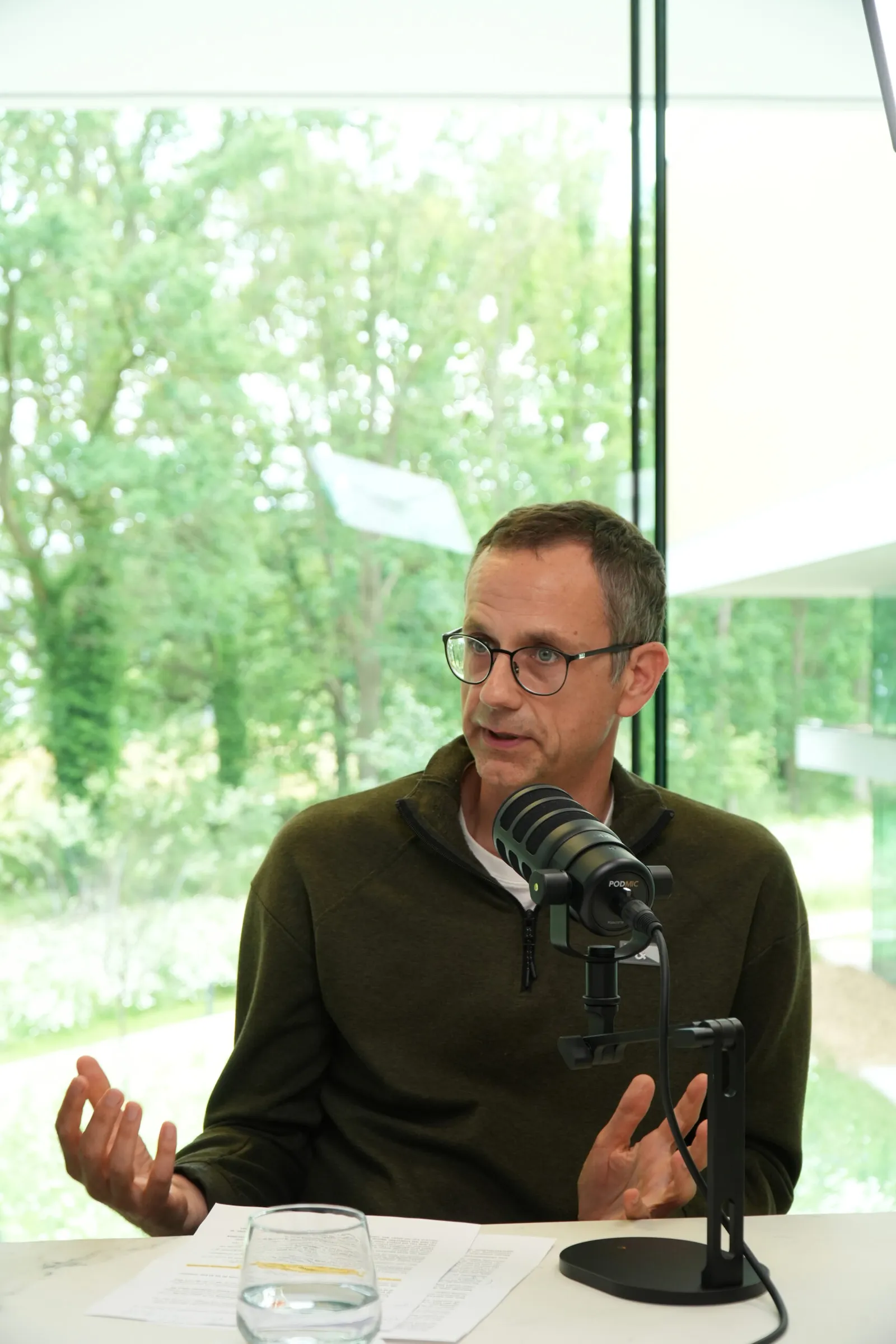
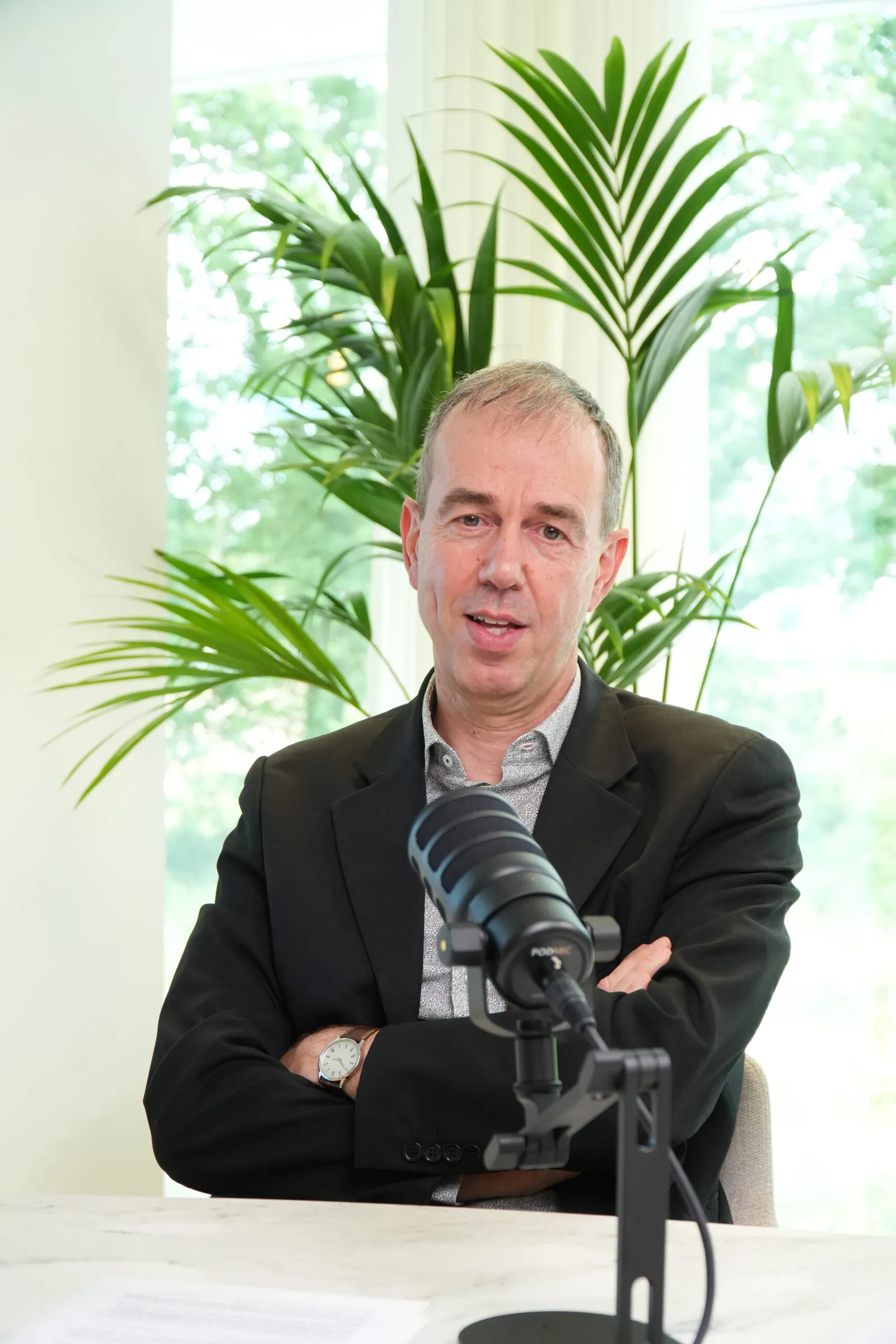
As a public-private partnership, COPRO is a trusted link in the construction sector. It checks the quality of products at manufacturers and confirms confidence in their quality with a certificate, helping construction sites run more smoothly, safely and reliably. “Over the years, however, people have come to realise that a good product alone is no guarantee of a high-quality end result,” says CEO Dirk Van Loo. “The way it is installed, or the people who handle it, also play a crucial role. Incorrect installation or assembly of a high-quality product can cause problems too.” More recently, COPRO has also taken on the certification and inspection of asbestos experts. This is an important accreditation, with a direct bearing on safety and health. Over the past 10 years, the organisation has completely redesigned and digitised its processes. But the growing importance of sustainability is at least as significant. Van Loo says: “In the past, the focus was on the technical quality of products, to ensure they would last a long time. Today, our questions about sustainability are much broader: is the product produced sustainably? Can it be recycled? Does it fit within a circular approach? This has fundamentally broadened our field of work.”
Measuring sustainability is complex
This shift has profoundly changed the way COPRO works. Technical product properties are often very easy to measure and validate. We can test the strength of a sewer pipe or the elasticity of a rubber ring and set these out in standards,” says sustainability manager Pieter Keppens. “But sustainability criteria are much more complex. Was a pipe produced sustainably? What is its environmental impact? Can it be recycled and given a second life? These questions are much harder to assess and verify. Standards are gradually emerging in this area too, but there is far less experience and consensus.” Sustainability certification is nevertheless becoming increasingly important. It must prevent companies from making false claims, also known as greenwashing. Van Loo says: “You see all kinds of logos and certificates appearing. It can be hard to see the wood for the trees. That is precisely why the sustainability sector needs an impartial body that can credibly certify the sustainability of products. COPRO is ideally placed to fulfil that role.”
Certification of aggregates
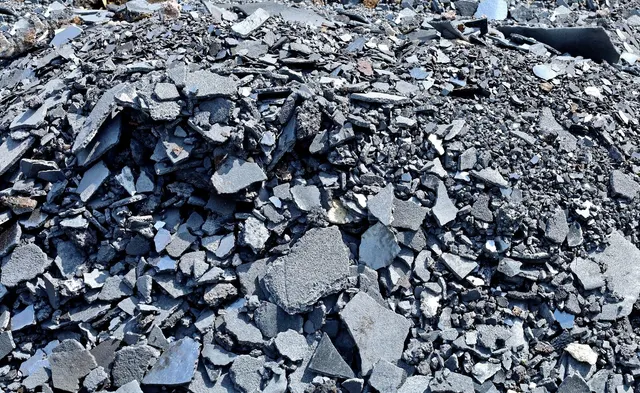
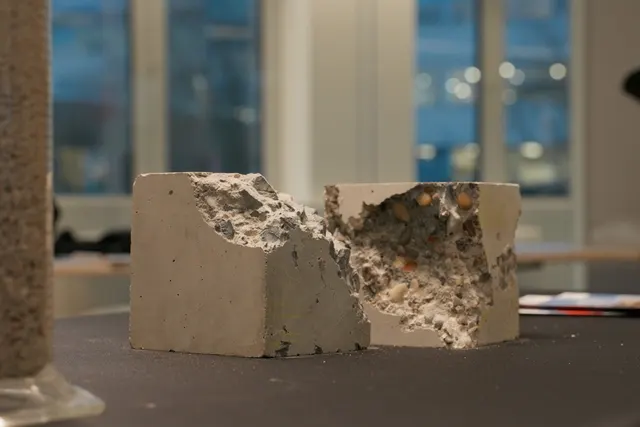
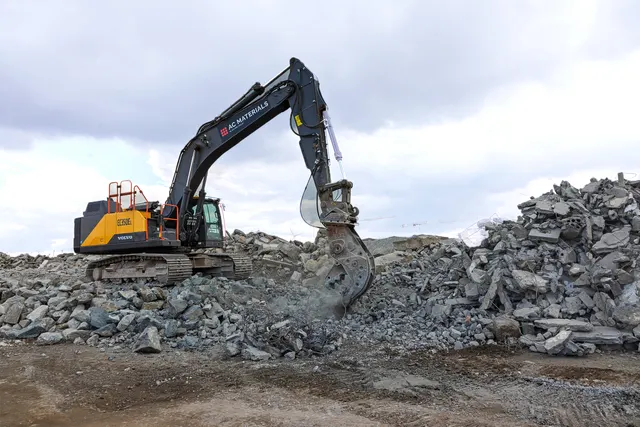
One practical application is recycled aggregates used in foundations. “The challenge is to turn concrete granulate from demolished buildings back into a raw material for concrete. The high quality of certified A+ concrete granulate and A+ crushed concrete sand means we can partially replace both coarse and fine concrete raw materials with circular materials, without any loss of quality,” says Keppens. “Another good application is reclaimed asphalt, produced by removing old asphalt roads. More than 1 million tonnes are already being used in circular applications each year in the production of new asphalt.” To encourage companies to consider the environmental impact of their activities and spur further innovation, the CO2 Performance Ladder was developed. “It is not just about the products themselves, but the whole chain: the supply and removal of products, energy consumption … For a concrete batching plant, for example, this could mean choosing cement with lower CO2 emissions, or transporting aggregates by ship rather than by lorry. This also makes clear that the trend towards greater sustainability requires additional data: life cycle assessments, material passports, environmental declarations, CO2 footprints … COPRO audits all available data and also provides the digital tools needed to keep everything as efficient as possible,” Van Loo concludes.
Een zakelijke vraag aan Copro? Get in touch
Companies in this story
Keep following this
Get an email when a new story is published. No account needed.
- ThemeCircular business under changing regulations
- SubjectSustainability
- CompanyCopro