Groundbreaking recycling technology for plastic waste
Text and images Port of Antwerp – Bruges
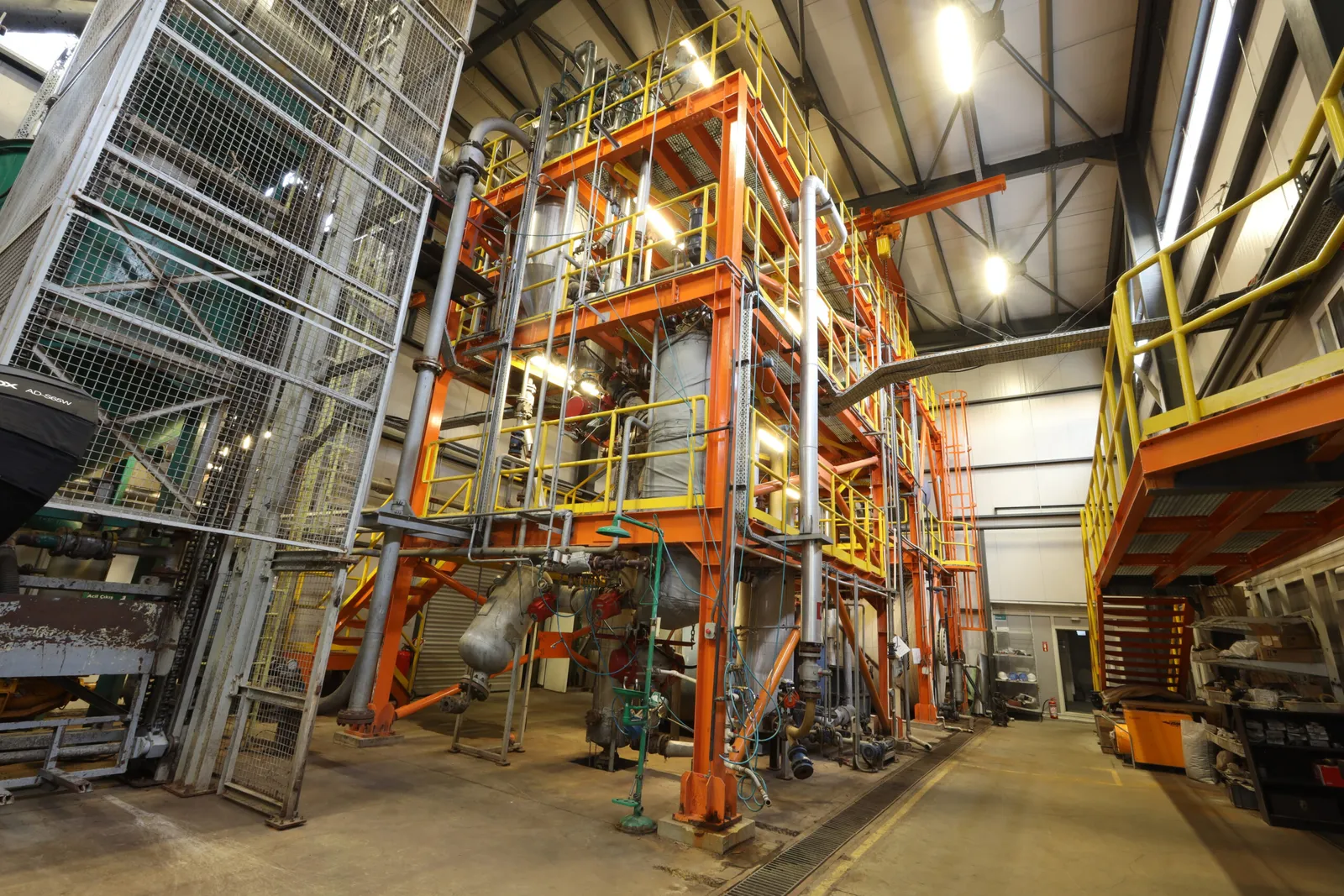
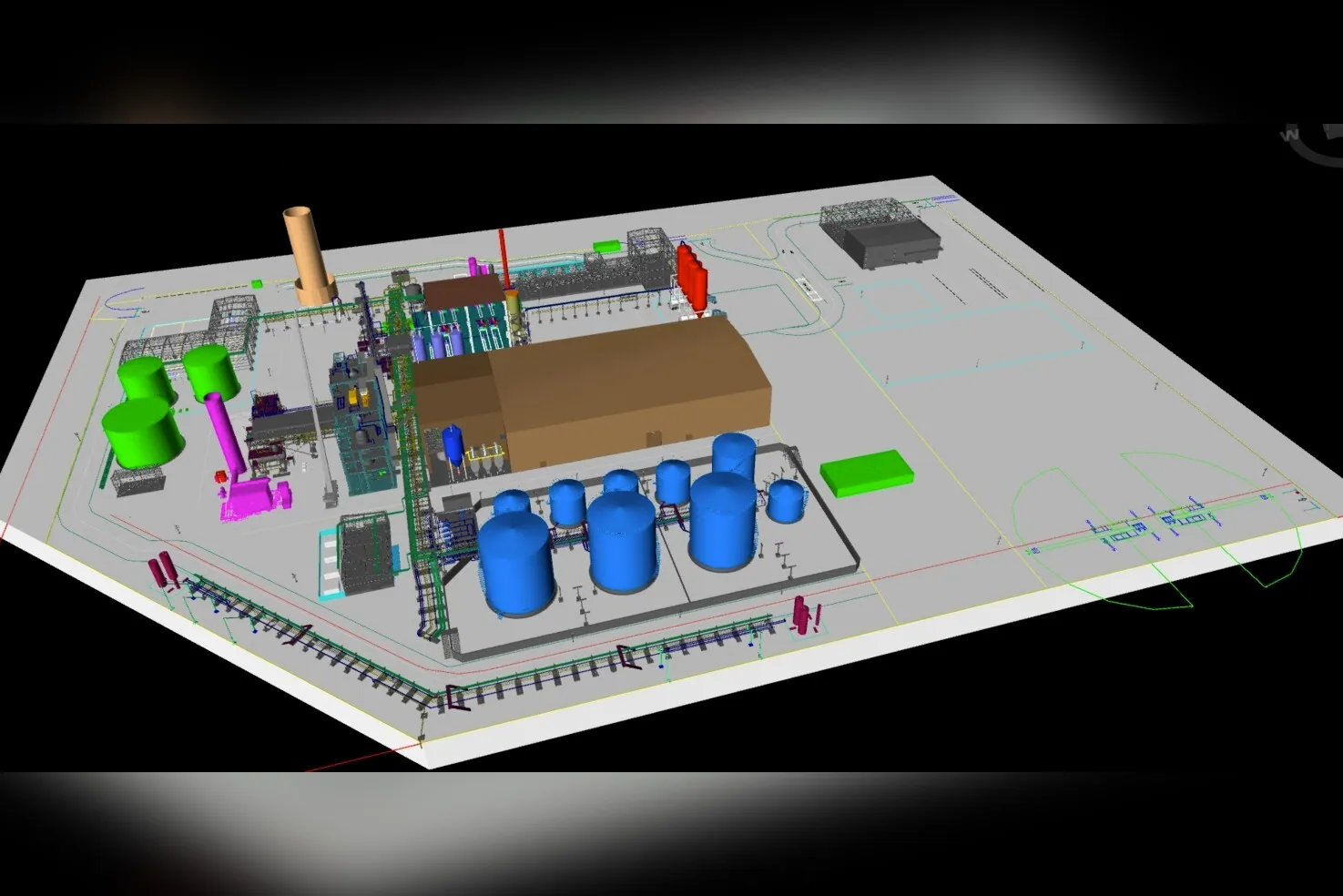
SynPet Technologies, a Turkish technology company based in Belgium, recently announced the construction of its first commercial recycling plant at the Port of Antwerp-Bruges. The €300 million investment is the result of 13 years of research and development into a greener, more cost-effective form of plastics recycling: a technology that can also process waste that cannot be recycled using existing methods such as pyrolysis and gasification. The new plant will convert 250,000 tonnes of untreated mixed plastic waste into circular products each year, including a circular naphtha substitute and renewable natural gas. This represents a completely new approach to chemical recycling.
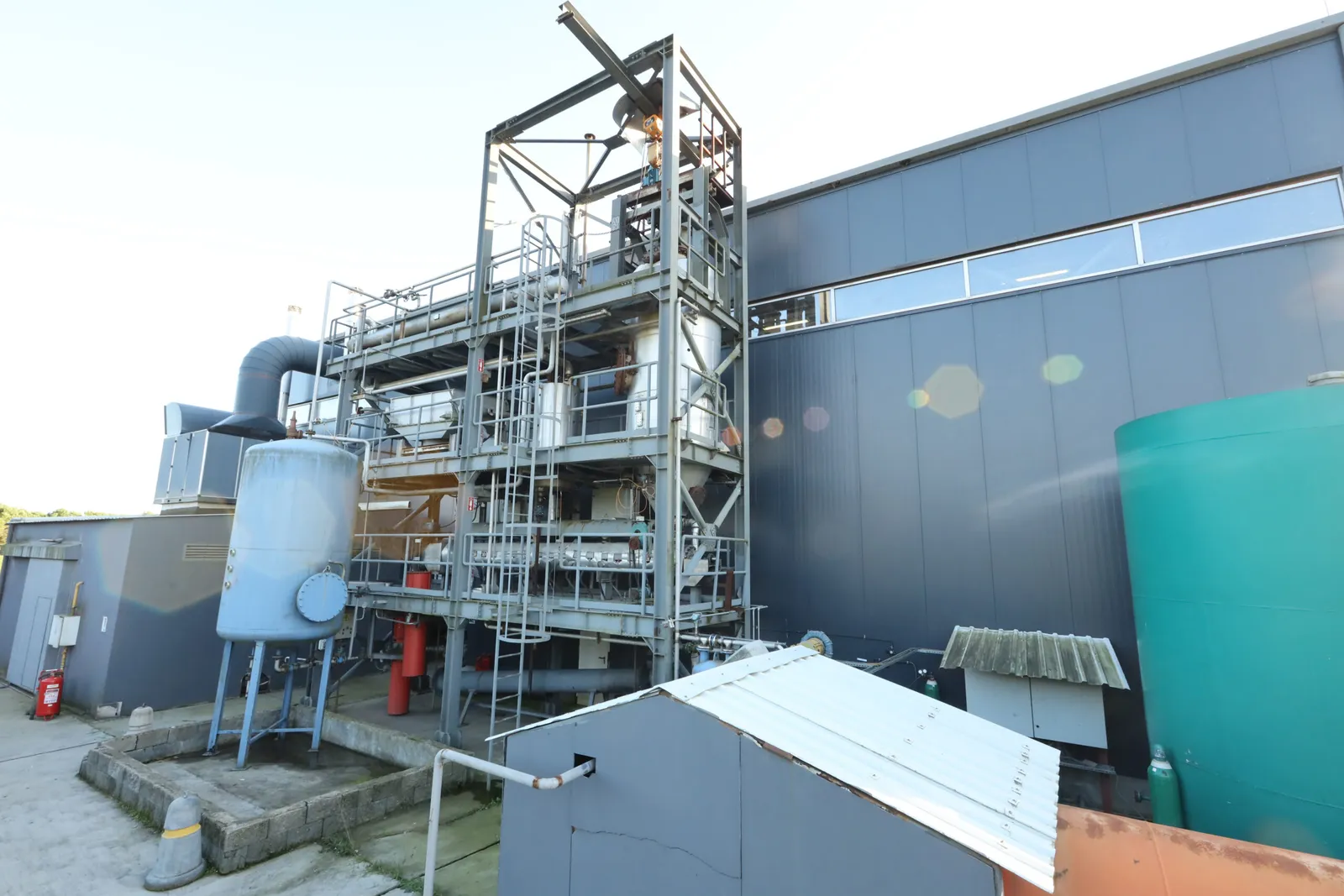
SynPet’s patented Thermal Conversion Process (TCP®) can recycle all carbon-containing waste streams, including plastics that cannot be processed using mechanical or existing chemical technologies. The process uses water at elevated pressure and temperature, combined with multi-stage thermal cracking, making it more energy-efficient and economically viable at industrial scale. After continuously operating its existing demo plant and meeting all the required performance targets, SynPet is now rolling out the TCP® process commercially, having established its readiness for large-scale deployment. The main product of the TCP® process is a high-quality circular naphtha substitute, which petrochemical companies can blend directly into their existing naphtha feedstock to produce new plastics, without further purification or upgrading.
What is a circular naphtha substitute?
CNS® (Circular Naphtha Substitute) is a premium product compared with standard pyrolysis oil, offering significantly greater value in use. It has a final boiling point (FBP) of 360 °C, in line with the maximum accepted limit for European steam crackers, and has processing characteristics comparable to those of conventional feedstocks. Unlike ordinary pyrolysis oil, CNS® requires no further refining or hydrotreatment, allowing it to be blended directly into cracker feed streams. Thanks to its unique properties, CNS® delivers stable performance as a direct-blend feedstock, a revolutionary innovation from SynPet.
A strategic foothold at the Port of Antwerp-Bruges
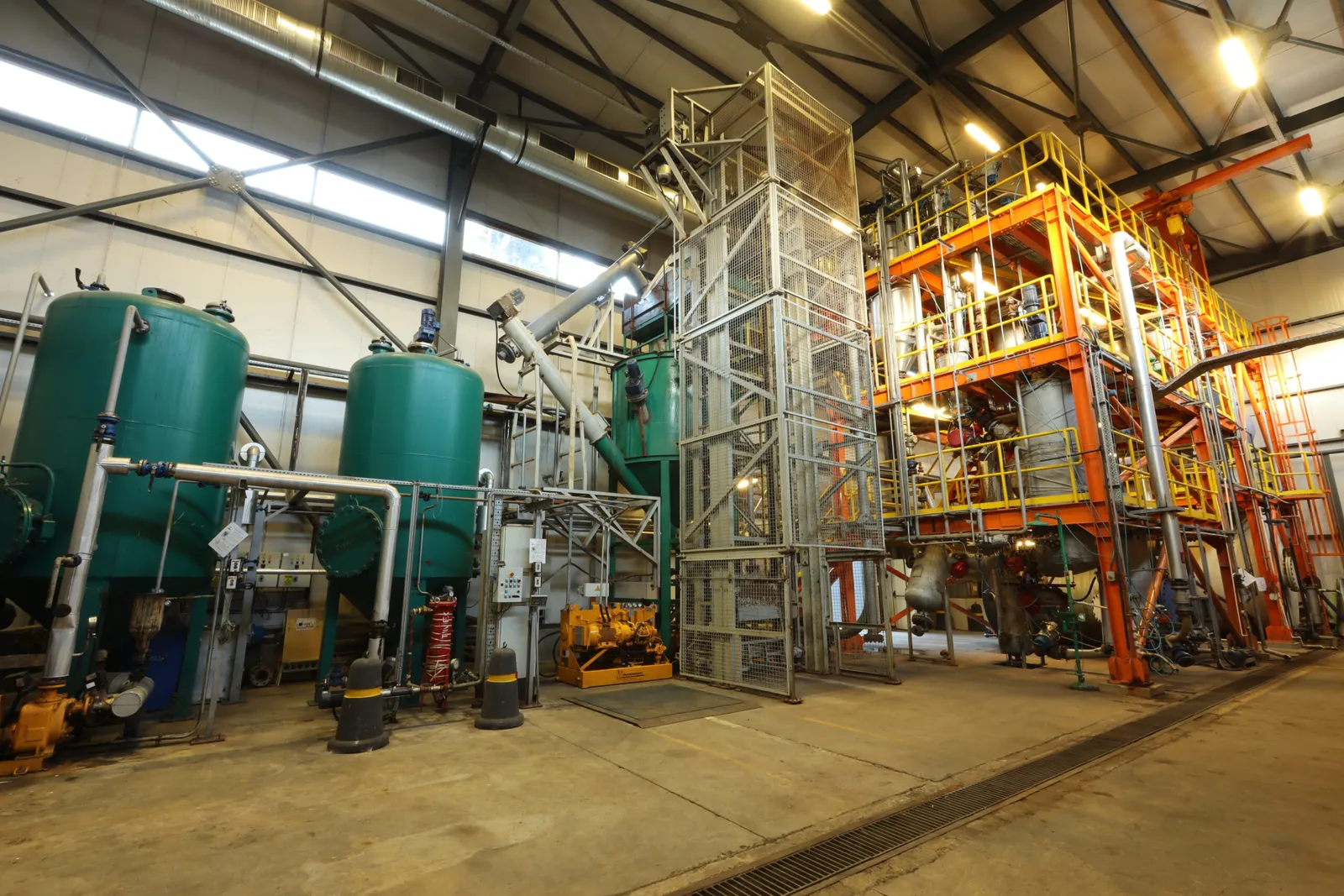
The plant is being built on a site with direct access by water and land, in partnership with Euroports and the Port of Antwerp-Bruges. ❯Euroports, one of the world’s largest port infrastructure operators, manages more than 50 terminals in Europe and Asia and handles more than 70 million tonnes of essential raw materials each year. Its extensive experience with complex industrial and renewable projects means Euroports can ensure smooth integration from supply through to final destination. The new SynPet facility will be fully operational in the second half of 2028 and will serve as both a commercial production site and a research centre for further optimising circular technologies. Cem Özsüer, CEO of SynPet Technologies: “The world urgently needs scalable solutions. Our technology proves that plastic does not have to be the problem: it can be part of the solution. We are proud to bring this vision to life in Antwerp, a city that combines innovation, sustainability and industrial strength. Our technology finally closes the plastics loop: what was once waste becomes a valuable raw material again, without sorting, without losses and with a positive environmental impact.”
New jobs and a circular ecosystem for Flanders
The project will create more than 100 direct and indirect jobs and position Flanders as a leader in the circular economy. The plant will process up to 250,000 tonnes of plastic waste each year and convert it into a circular naphtha substitute. The site will run largely on energy recovered from its own process, making it almost self-sufficient. Jacques Vandermeiren, CEO of the Port of Antwerp-Bruges: “SynPet Technologies’ arrival once again confirms our port’s role as a global pioneer in the circular transition. By embracing innovative recycling technologies, we are building a diverse and resilient industrial ecosystem that accelerates sustainable innovation. SynPet’s project fits perfectly with this vision: it shows how collaboration between industry, logistics and technology can deliver real progress towards a climate-neutral future.”
Question about this story? Ask your question
Keep following this
Get an email when a new story is published. No account needed.
- ThemeMaking plastics and packaging circular
- SubjectWaste streams