“We want to make the logger stream circular”
Text Ferdi den BakkerImage Pexels
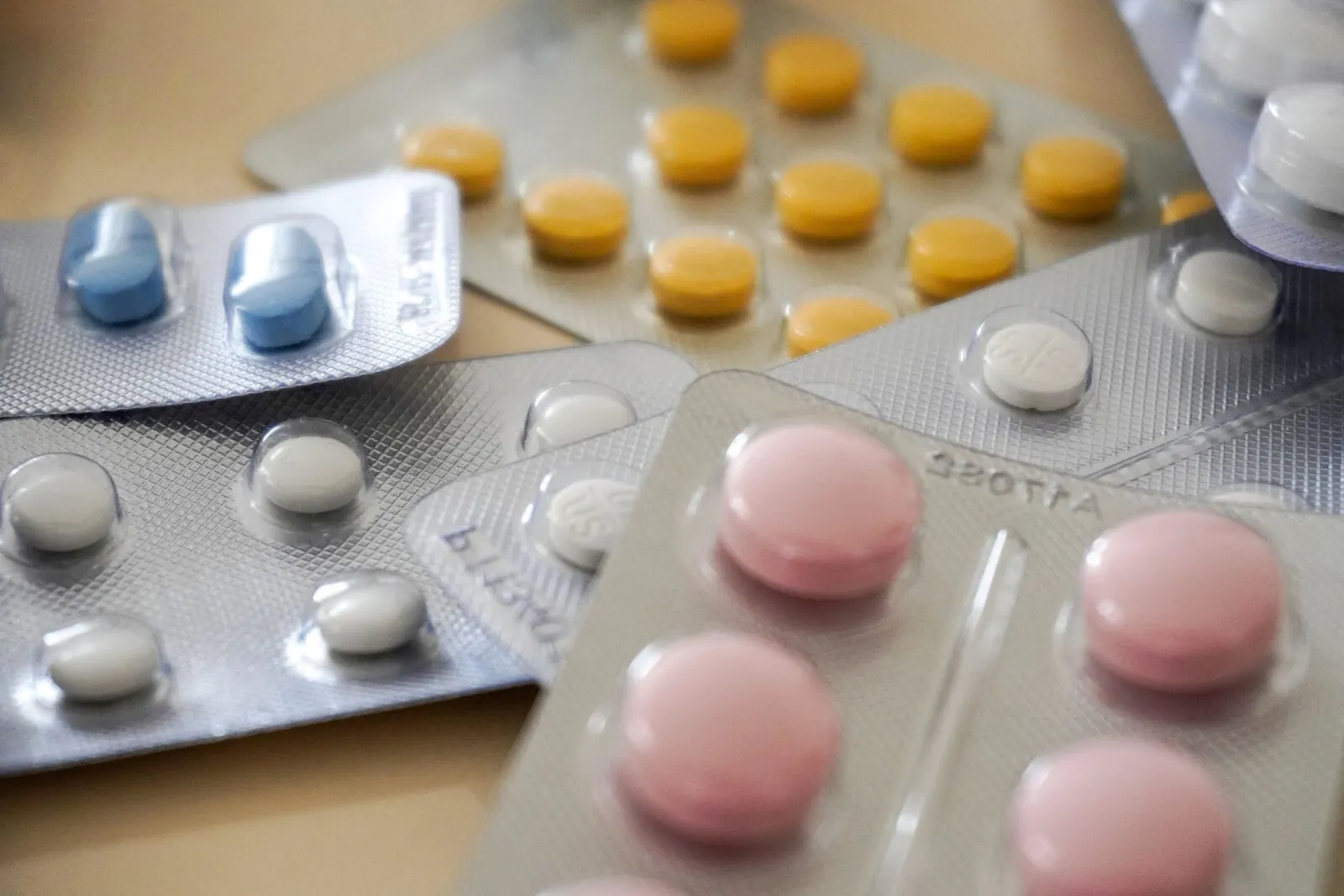
The medical sector has strict requirements for the use and condition of products. For this reason, pharmaceutical companies and transport firms use data loggers to record temperatures along the supply chain. Yet after a single use, these small devices very often end up in the bin. The founders of Blue Iceberg, students at TU Eindhoven, believe this needs to change. Thom van de Wiel: “Our ambition is to collect and refurbish data loggers. We want to make this stream circular.”
There is still a gap between the goal of creating a circular stream of temperature data loggers and the current situation. But the founders of Blue Iceberg are not short on ambition. The students have already won a prize, the TU/e Contest, with their idea for collecting and refurbishing equipment. They want to create a circular stream through a start-up. “There is certainly potential. The idea came to us after we saw how many data loggers were ending up in the bin after a single use at a company transporting medical products. These loggers record at least the temperature during transport, and sometimes much more. We really wondered what kind of equipment they were, what companies did with them and why they were thrown away so quickly. That soon led us to ask how we could reduce this mountain of waste. The data loggers are useful, but a large proportion are designed for single use. They make a long journey and cannot simply be returned to the place where the journey began. There are many different types, from very basic models to units with GPS or rechargeable batteries. Some of these are quite expensive. It really is a waste to throw them away.”

Targeting data loggers for the medical sector
“At Blue Iceberg, our initial focus is on data loggers used in the medical sector. 80% come from two manufacturers. Our first steps involved speaking to all the UMCs (university medical centres) in the Netherlands. These hospitals receive a lot of refrigerated medicines. The data loggers end up in the e-waste stream, partly because of their batteries, but also because suitable return options are not available. We will collect the data loggers from them. But there are many other locations that receive them: general hospitals, pharmacies and logistics companies. We want to map and approach all these organisations too. One of the biggest challenges in reaching our goal is the highly fragmented nature of the sector.”
“There is a lot of value to be recovered from the data logger chain”
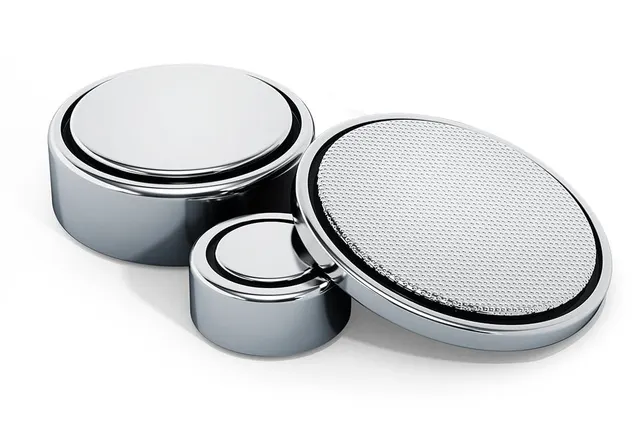
According to Van de Wiel, there is a lot of value to be recovered from the data logger chain, although he can only quantify it in percentages. “Of course, there are the raw materials, but there is more to it. Most single-use data loggers contain a battery, sensors and a circuit board, among other components. Large companies recover around 10 to 20% of the data loggers they sell. Recovering a data logger saves 20 to 30% of the production cost per unit. That means they already save that amount on manufacturing new ones. Manufacturers worldwide produce around fifty million data loggers a year, a large proportion of which are single-use. The relatively simple, most common type of data logger works for up to 111 days, yet we regularly see units that have been used for just eight hours. That is the case in regional transport or last-mile delivery.”
Reuse up to fifteen times
“As well as appealing to pharmaceutical companies and healthcare institutions, we want to work with more partners. If we can even just return the circuit board to the manufacturer, it can be reused up to fifteen times. Those are steps for the future. For now, our focus is on recovering as many data loggers as possible.”
Question about this story? Ask your question
Keep following this
Get an email when a new story is published. No account needed.
- SubjectElectronic waste