Care2Change: how NHL Stenden is reducing healthcare waste
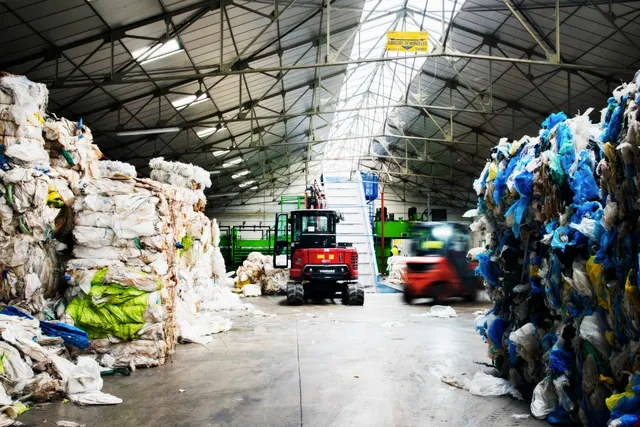
Every operation in a hospital leaves a trail of waste. A single open-heart operation produces 27 kilos of waste, equivalent to the weight of a nine-year-old child. Many medical products are used just once before being sent to the incinerator, from gloves and IV lines to sterile packaging. The Dutch healthcare sector produces more than 328 million kilos of waste every year. Researchers and students from NHL Stenden are tackling this problem as part of the Care2Change project. The motto is reduce, reuse and recycle.
What is safe and efficient in the operating theatre has a major impact beyond the hospital. The healthcare sector is responsible for around 7 per cent of CO₂ emissions, 4 per cent of the country’s waste and 13 per cent of its raw material use. Plastics play a major role. They are safe, lightweight and inexpensive, but also create a huge mountain of plastic waste.
Smarter and different
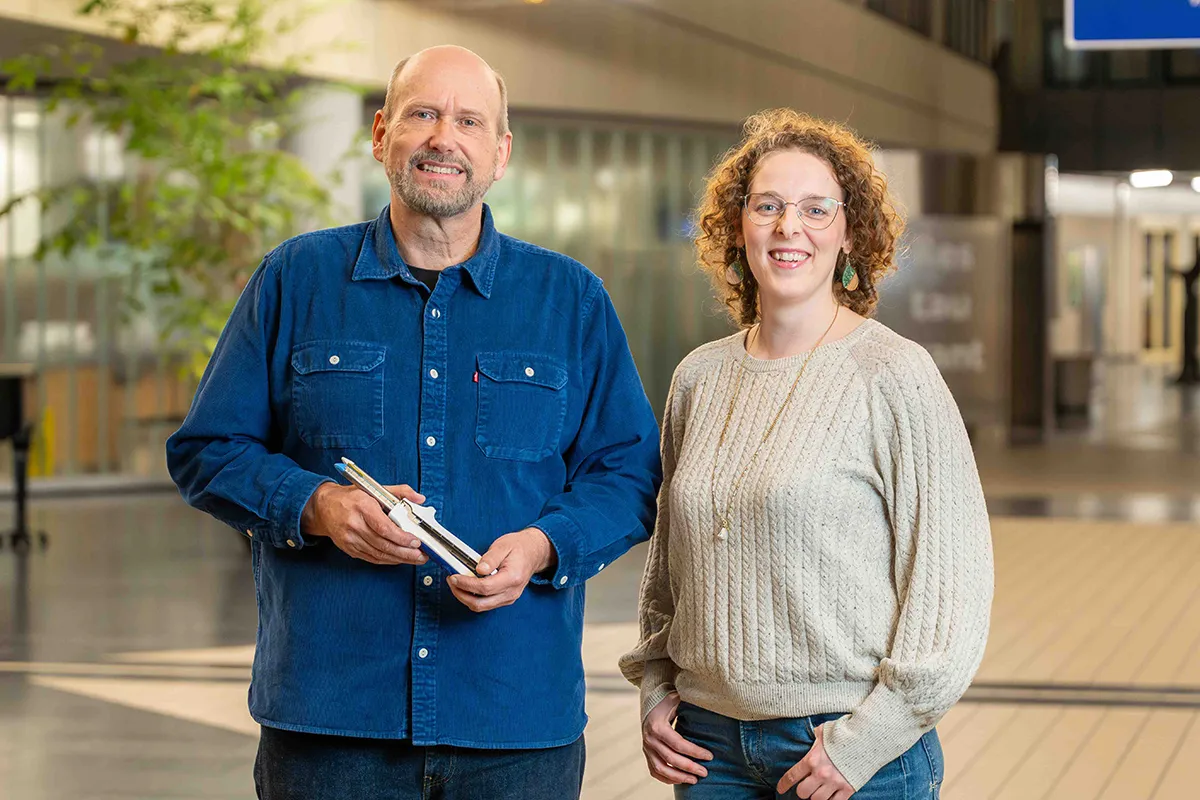
As part of Care2Change, NHL Stenden’s Circular Plastics research group and its partners are investigating how things could be done differently. The aim is not to question safety, but to organise processes more intelligently. Researcher Rudy Folkersma says: “It’s not just about technology, but about the entire system, from procurement and use to waste processing. Analyse the process properly and you can see where it could be made more efficient.”
Fewer disposable staplers
Students play an active role in this work. They map out current practice and turn abstract ambitions into tangible proposals. For example, they are looking at products that are routinely discarded after a single procedure, such as plastic staplers used to close large sections of tissue. These devices cost between 300 and 600 euros, yet end up in the bin after one operation. Willemien Veele, a researcher at NHL Stenden University of Applied Sciences, says: “The question is whether a product like this can be designed differently. Can components be made reusable without compromising safety? Students are investigating what is technically possible and what works in the operating theatre.”
A project with real-world impact
Students and researchers mapped 22 commonly used healthcare products. What materials are used? Why are they single-use? And where are there opportunities to reduce, redesign or sort them more effectively?
Over the coming years, Care2Change will develop three concrete pilots in which waste streams are handled and recycled differently in practice. Students match products with suitable processing routes, while researchers assess what is safe and feasible. “These pilots will give hospitals first-hand experience of how they can organise their waste streams differently,” says Folkersma. “They will also show which regional partners they can work with.”
Care2Change shows that sustainability in healthcare need not remain an aspiration on paper. By taking a critical look at what we use and how we use it, we can reduce waste and use materials more intelligently. With practical steps that have an immediate impact, NHL Stenden underlines its role as a knowledge partner in the transition to circular healthcare.
Question about this story? Ask your question
Keep following this
Get an email when a new story is published. No account needed.
- ThemeMaking plastics and packaging circular
- SubjectMedical waste