What if your business comes to a standstill? The underestimated value of business interruption insurance
Text Group Casier Beeld Shutterstock
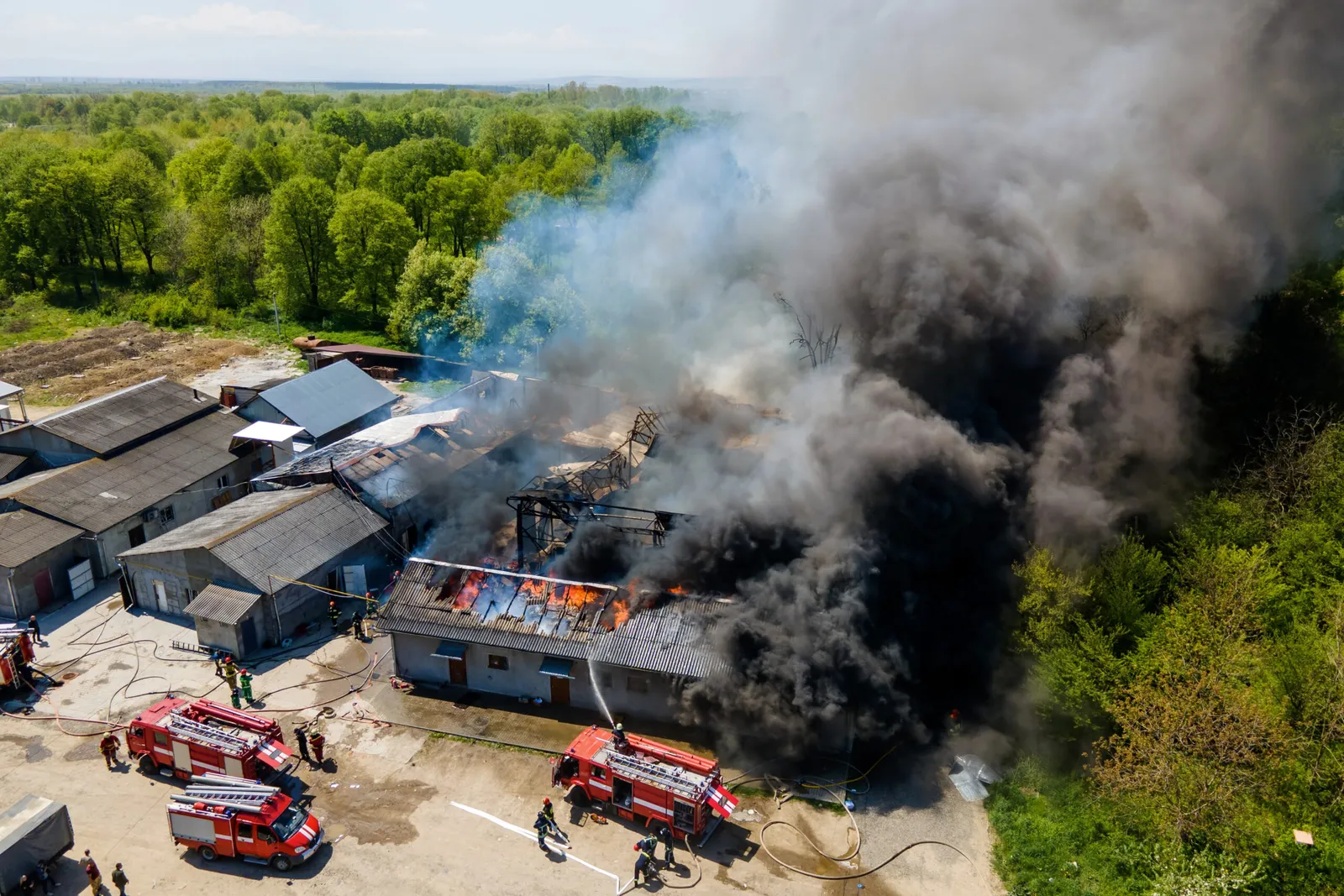
Continuity is everything in the recycling sector. Machines need to keep running, lorries need to keep moving and plants need to keep processing. But what if the unexpected happens? A fire, machinery breakdown or even a cyberattack can bring your business to a complete standstill. The direct damage is often insured, but the indirect losses, such as lost revenue and ongoing fixed costs, usually are not. That is where business interruption insurance comes in.
A fire in a sorting line or storage area can be devastating. Even if you rebuild quickly, you could lose weeks or months of production. Meanwhile, customers look for alternatives and contracts may be lost. Fire insurance can include an optional business interruption cover. In these circumstances, it compensates for lost gross profit, as well as fixed costs such as rent or loan repayments, electricity contracts and leasing costs. The insurance also covers additional costs incurred to limit the fall in revenue, for example, hiring a machine while waiting for a replacement to be delivered.
Machinery breakdown: the silent standstill
Recycling plants often use bespoke equipment. If a critical machine breaks down, it can trigger a chain reaction. Repairs or replacement parts can sometimes take weeks or even months to arrive. With additional cover for business interruption following machinery breakdown, you are also protected against lost revenue in this situation.

Cyberattack: your sector is vulnerable too
More and more recycling businesses use digital weighbridges, ERP systems and automated, connected processes. A cyberattack can bring your entire operation to a standstill. Think encrypted data, idle plants or even incorrect invoicing. Cyber insurance commonly also covers your own financial losses resulting from a business interruption, so that some or all of your potential lost revenue is reimbursed.
What practical steps can you take?
- Assess your risks: which processes are critical? How long can you manage without them?
- Put a business continuity plan in place, setting out how you can keep critical processes running after a major loss.
- Check your insurance policies: does your fire insurance also cover business interruption?
- Work with a broker who knows your sector and can help you set realistic levels of cover and waiting periods.
Choose peace of mind
Business interruption insurance is not an unnecessary luxury, but a lifeline for anyone who wants to be prepared for the unexpected. In a sector where downtime means losses, peace of mind is worth its weight in gold.
Have questions or want to know more? Contact Maarten Vanhalst, Corporate Consultant at Group Casier, [email protected], +32 56 26 13 31.
Question about this story? Ask your question
Keep following this
Get an email when a new story is published. No account needed.
- SubjectGroup Casier