Why a deposit system for batteries is a good idea
Text Valérie CouplezImage iStock
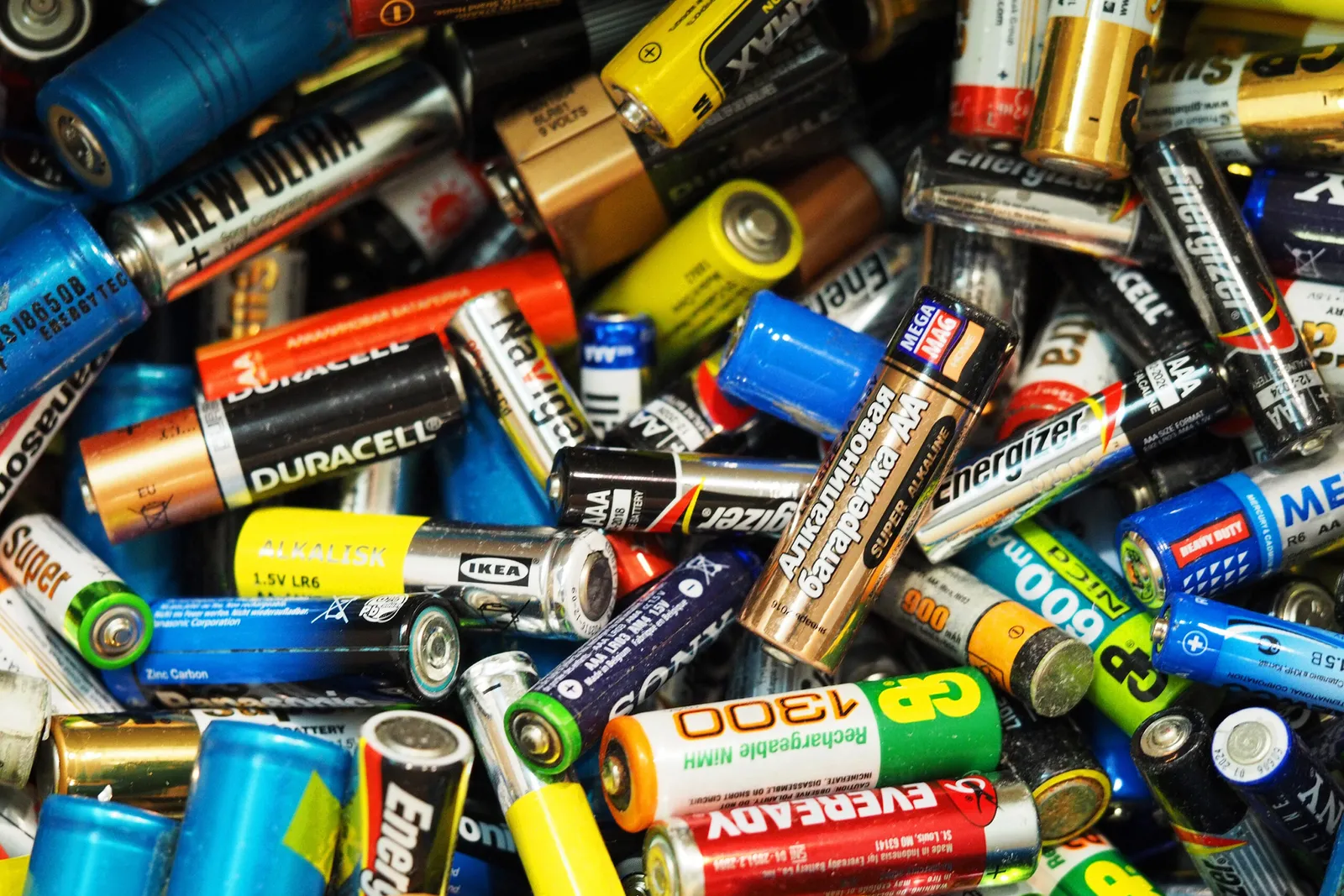
Could a deposit system for batteries encourage consumers to dispose of their lithium-ion batteries more responsibly? FEAD, the European Waste Management Association, supports a financial refund incentive for batteries if it demonstrably prevents fires, improves separate collection and keeps critical raw materials within the European circular economy. The model FEAD favours is an EU-mandated, nationally implemented, industry-based deposit system, organised in cooperation with existing producer responsibility structures and designed to complement existing battery and WEEE collection networks.
FEAD recognises that Member States already have battery collection systems, funded and organised through EPR schemes and based on take-back by retailers and municipal collection points. These systems must be maintained and strengthened. However, the available data show that they are not enough to prevent a significant proportion of batteries from ending up in the wrong waste streams. An ADEME study in France estimates that 7,575 tonnes of portable batteries end up in French municipal waste streams, including recyclable waste, mixed municipal waste and recycling centres. The quantity of portable batteries found in municipal waste is equivalent to 20.4% of the average quantity of portable batteries placed on the French market during 2022-2024.

Strengthening systems to meet the target
At EU level, Eurostat reports that 244 kt of portable batteries were placed on the EU market in 2022, while only 111 kt were collected for recycling, giving a collection rate of 46%. The Battery Regulation now sets collection targets for portable batteries of 63% by 2027 and 73% by 2030. Many Member States remain far behind the future collection target for portable batteries. This should not be addressed simply by changing how collection targets are calculated, but by genuinely strengthening collection systems. A financial incentive is therefore needed, not to replace existing systems, but to reinforce them with a behavioural incentive that consumers understand.
Scope of the deposit system
FEAD recommends that a deposit system cover both portable batteries and LMT batteries, including batteries embedded in electrical and electronic equipment (EEE). This is the most coherent scope for consumer communications, meeting collection targets and preventing fire risks. Lithium-ion batteries are currently the main cause of fire risks in waste management. However, consumers cannot be expected to distinguish between different battery chemistries. A deposit system should also cover embedded batteries and relevant small WEEE, and reward consumers for returning the complete product when the battery is embedded or cannot be removed safely, to avoid incentives for unsafe dismantling. This approach delivers a simple message to consumers: return batteries and products containing batteries to authorised collection points. Never dispose of them with residual waste or recyclable materials.
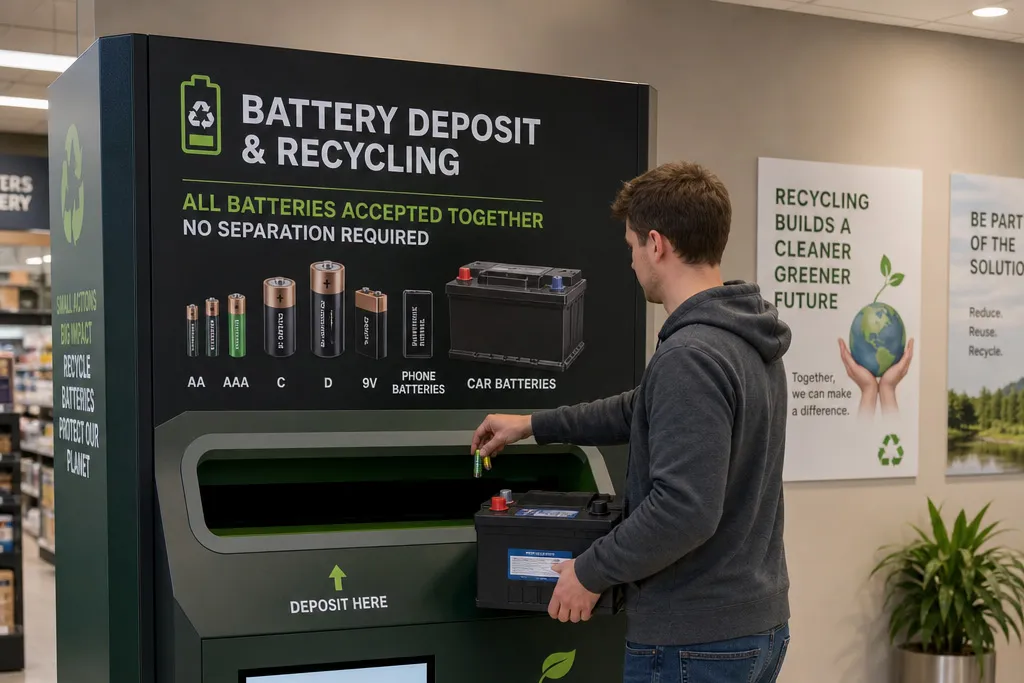
Older batteries should also be included
To prevent old batteries from remaining in drawers, garages, offices and WEEE streams for years and continuing to pose a fire risk, they should also be included in any future deposit system. The phenomenon of hoarding makes this need even more pressing. A study in Luxembourg found that 72% of citizens kept some WEEE at home, and around half of them said this WEEE was likely still to contain batteries. Meanwhile, a study in Austria estimates that the average household owns 21 lithium-ion batteries. In this context, the pilot scheme in Feldbach for large lithium-ion batteries in Austria is relevant. A €10 voucher for returned “fist-sized” lithium-ion or device batteries led to collection volumes four times higher than in the previous year and in neighbouring municipalities.
Traceability
One final consideration concerns traceability. FEAD recognises that there are real risks of fraud, particularly when the incentive amounts are high. However, these risks can be managed if the system is properly designed from the outset. Every producer, importer or seller placing batteries or products containing batteries on the EU market must be registered with a compliant deposit system. For new batteries, the system should be based on durable battery identification. Depending on the category, this could consist of the DRS logo and category marking, the serial number or batch code, or, where available, data from the battery passport for LMT batteries. By definition, older batteries do not have such markings. Accepting older batteries is necessary, but must not become a loophole for introducing waste batteries into the system. Older batteries should therefore be subject to a capped or differentiated incentive and stricter validation.
Question about this story? Ask your question
Keep following this
Get an email when a new story is published. No account needed.
- ThemeCircular processing of electronics and batteries
- SubjectFire safety