Sustainable textiles need producers with the courage to act
Text Valérie CouplezImage Boer Group
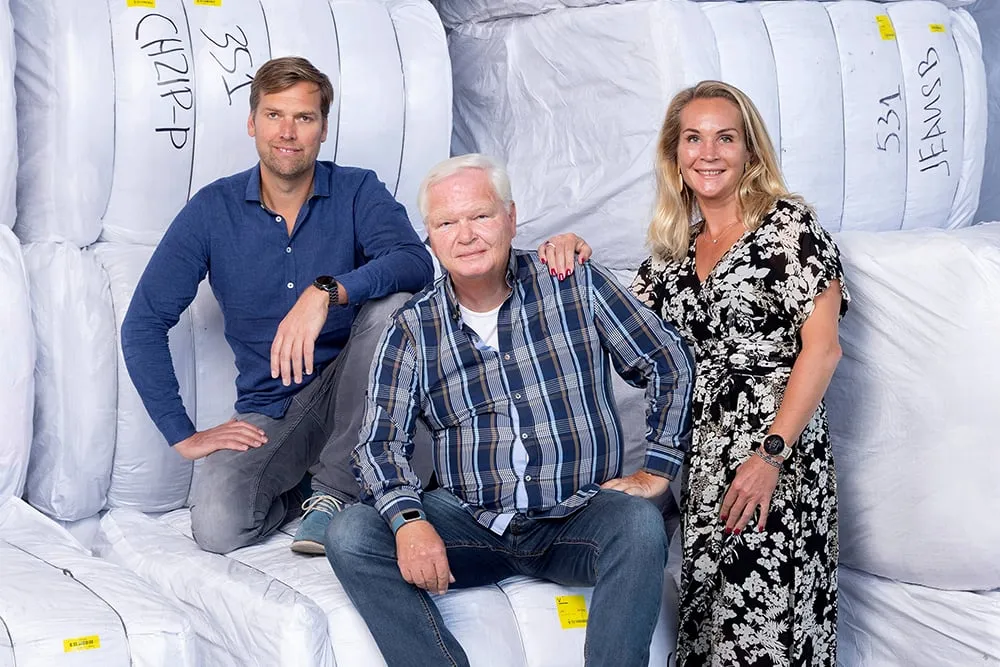
Boer Group, one of Europe’s largest players across the entire textile recycling value chain, is also concerned. “The system will have to change if we are to preserve the infrastructure built up in Europe,” says Mariska Boer, corporate communications executive. She is calling on textile producers to show more courage and work together on a circular future for textiles.
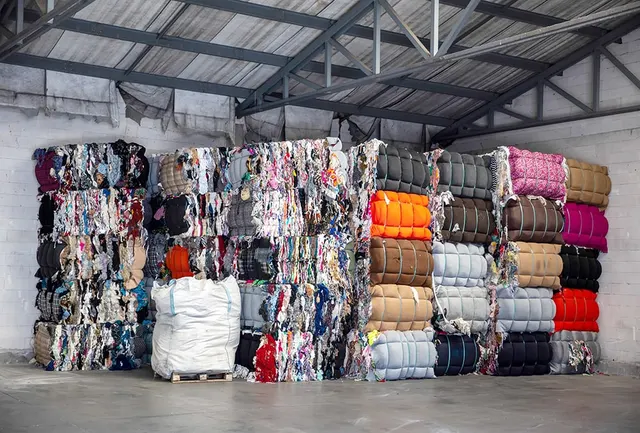
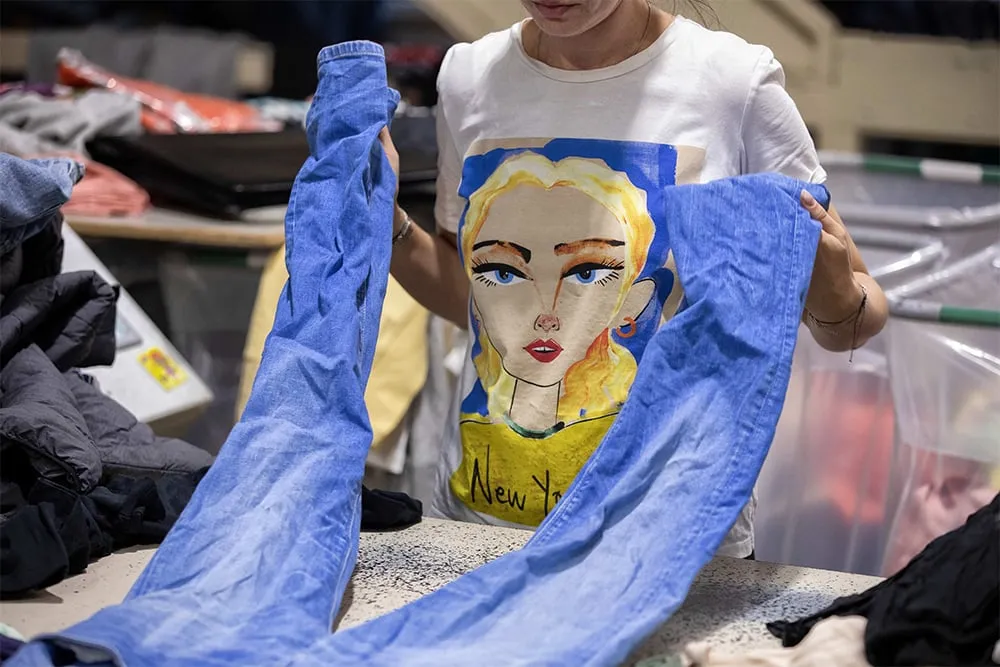
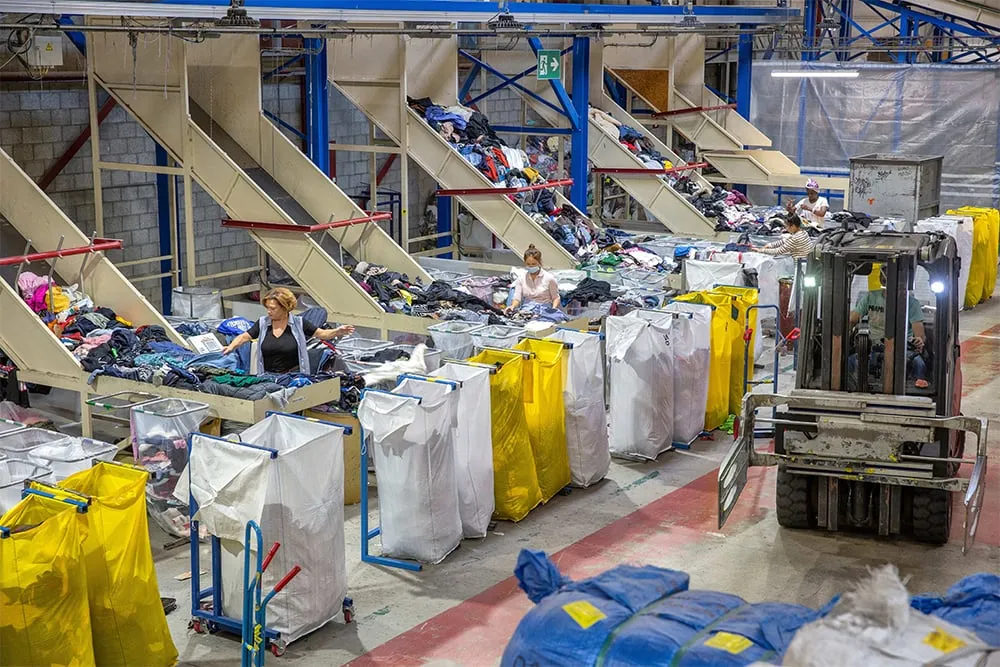
Boer Group has been collecting, sorting and preparing textiles, second-hand clothing and shoes for reuse for more than 100 years. The group comprises three collection companies and seven sorting facilities across the Netherlands, Belgium and Germany. The entire process is carried out transparently under one roof. Its 750 employees sort around 112.5 million kg of used textiles every year. Together, they prevent 400,000 kg of waste and 1.372 million kg of CO2 emissions every day. “For textile recycling to have a future, it needs to remain an interesting product at its core. It isn’t today. Everyone knows it will have to be circular tomorrow, but the big players are still sitting on the sidelines. They talk, but what they do has very little impact.”
Joining up every link in the chain
And she thinks that is a real shame. “We have built an entire value chain for textile recycling in Europe. We prepare 48% of the textiles placed on the market for reuse and recycling. Europe aims to reach 75% in line with its circularity targets, but if we all keep waiting to see what happens, we risk ending up at 0%.” For Boer, the key is to seek more collaboration and engage in more dialogue. “The new ecodesign requirements are now prompting conversations between clothing producers and recycling companies. Their designs need to be about more than look & feel. They also need to take account of what happens to clothing at end of life. There is still a lot of ignorance on both sides. That is why we need to talk more about what is needed to join up every link in the chain.”
Investing in innovative recycling technologies
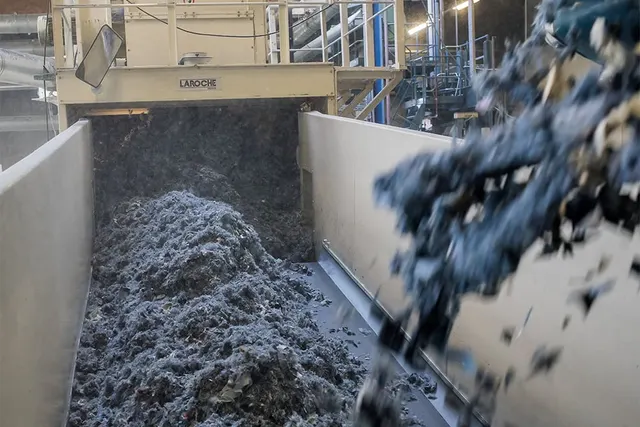
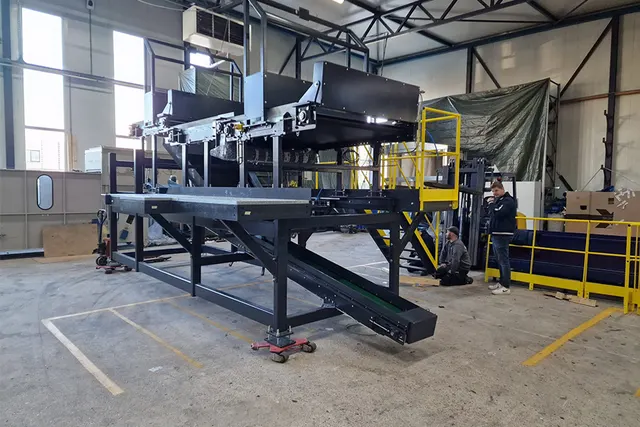
Boer Group is also helping to drive the development of more innovative textile recycling technologies. At Frankenhuis, it already has its own brand of spinnable long fibres, FFIBR. “Mechanical recycling is characterised above all by shorter fibres, which means we cannot close the loop completely. The material does get a second life, but in other applications such as insulation. It has taken a great deal of time, energy and innovation funding to produce long fibres too, and to move towards truly circular textile products. The product is there, but the market is not following. If they have concerns about quality, we challenge them to test it in a proof of concept. If it is about price, we point to the extended producer responsibility scheme that is on the way. That funding can help bridge some of the gap. But we are looking for more partners with the courage to stick their necks out for more sustainable textiles.”
Legislation to stimulate demand
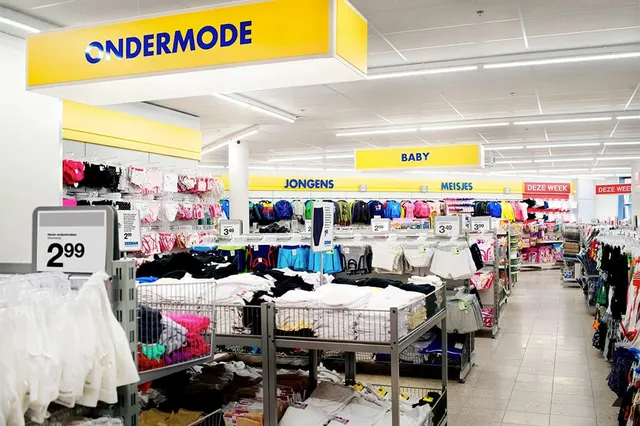
Boer is also calling on lawmakers to introduce legislation that can give textile recycling a fresh boost. “Introduce requirements to use recycled content demonstrably sourced from post-consumer products. There is certainly a willingness to do this. We are waiting for the new European Commission to take action. But these processes take time, and our sector may not have that time. That is why it is so important for clothing producers themselves to take the initiative. Zeeman is already setting a good example. It is having 30,000 jumpers made largely from recycled fibres. That will account for 2,000 kg on our production line. But the line still has plenty of capacity, 3.6 million kg a year, so we hope many more trailblazers will follow and make a difference today.”
Question about this story? Ask your question
Keep following this
Get an email when a new story is published. No account needed.
- ThemeMaking use of textiles and other waste streams
- SubjectTextile waste