












A cry for help for plastics recycling
Text Valérie CouplezImage Claraplast
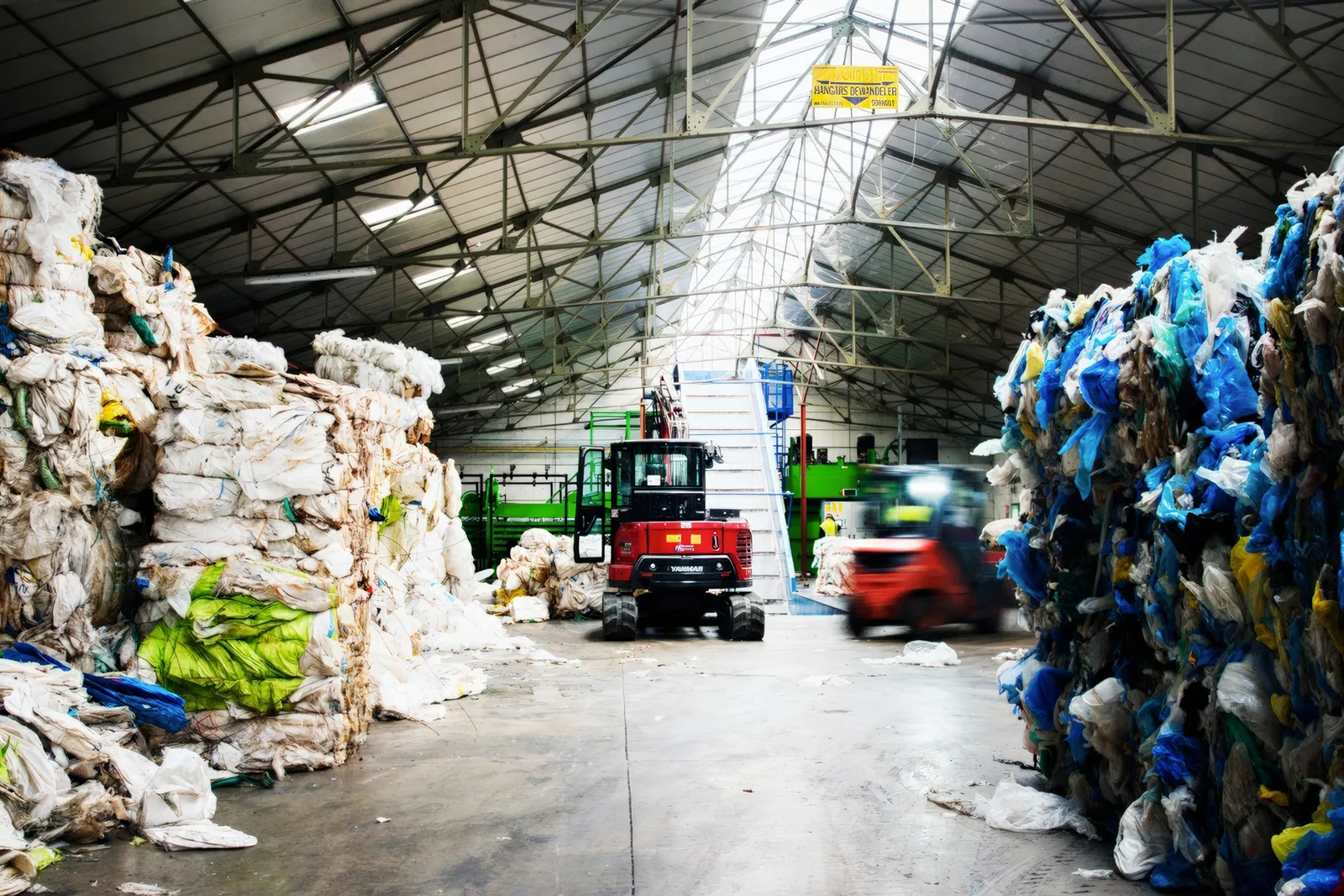
The first phase of the revised Waste Shipment Regulation came into force in May. The additional administrative requirements placed on destination countries have already brought exports of recycled plastics to a de facto standstill. At least for those who play by the rules. Claraplast is calling on the European authorities to reconsider their timetable so that the recycling capacity built up here is not lost. It is five minutes to midnight.
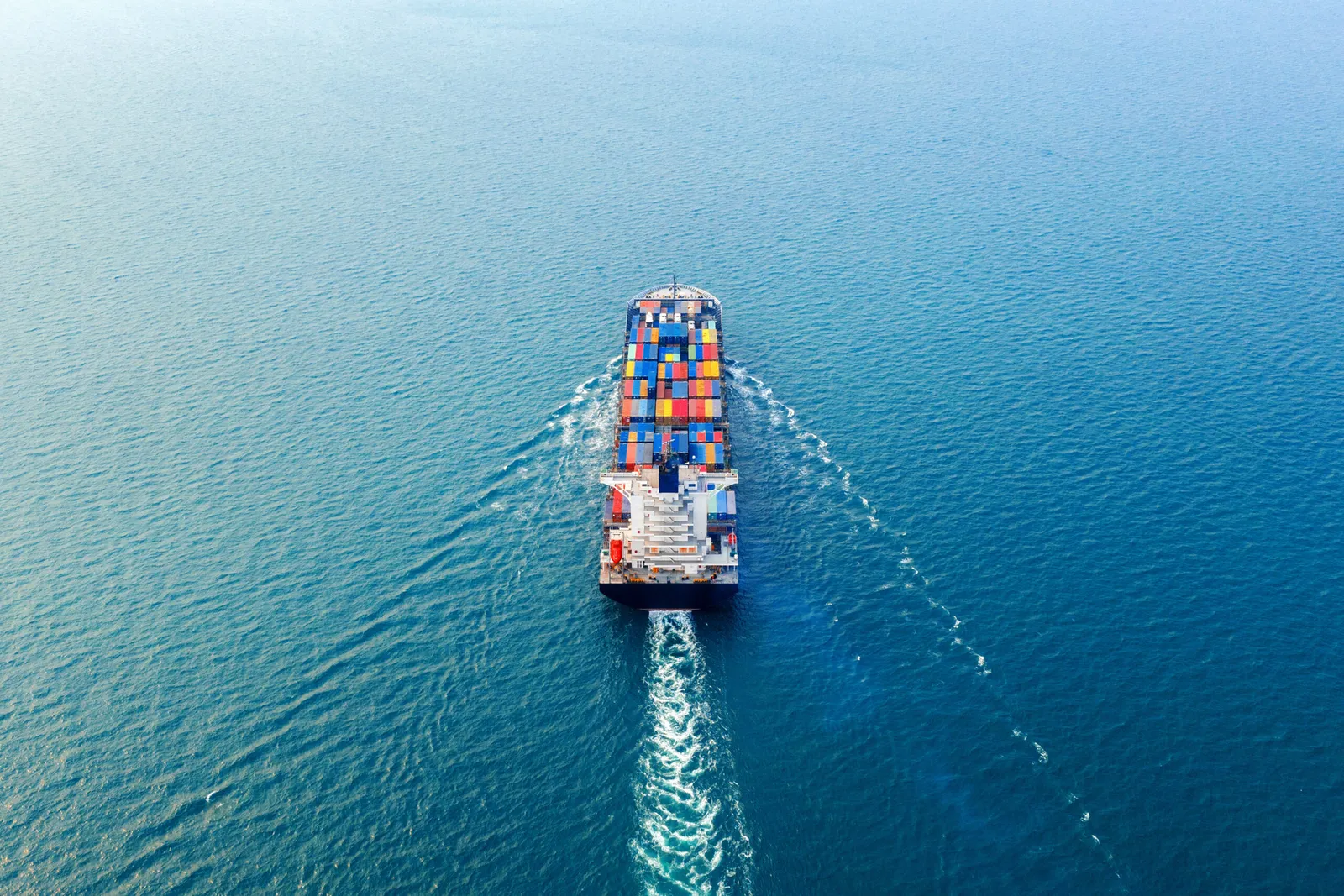
Claraplast general manager Laurent Lubelski agrees with the principle behind the revised rules on waste exports. “We do indeed need to make sure that valuable raw materials are not lost in Europe. But as long as there is not enough demand for recyclate here, we need to protect our recycling industry if we do not want to be left with mountains of plastic waste.” He is referring to the lower-grade materials currently exported because there is not enough recycling capacity for them here. “In principle, the export ban does not come into force until November, but the additional administrative burden Europe has imposed on exports since May is literally falling on deaf ears. The authorities there have to approve documents written in the language of the country of origin. This also applies to every shipment, and they do not have the staff to process them. Above all, this creates no added value for them. In their eyes, it is and remains a European decision.”
Not applied everywhere
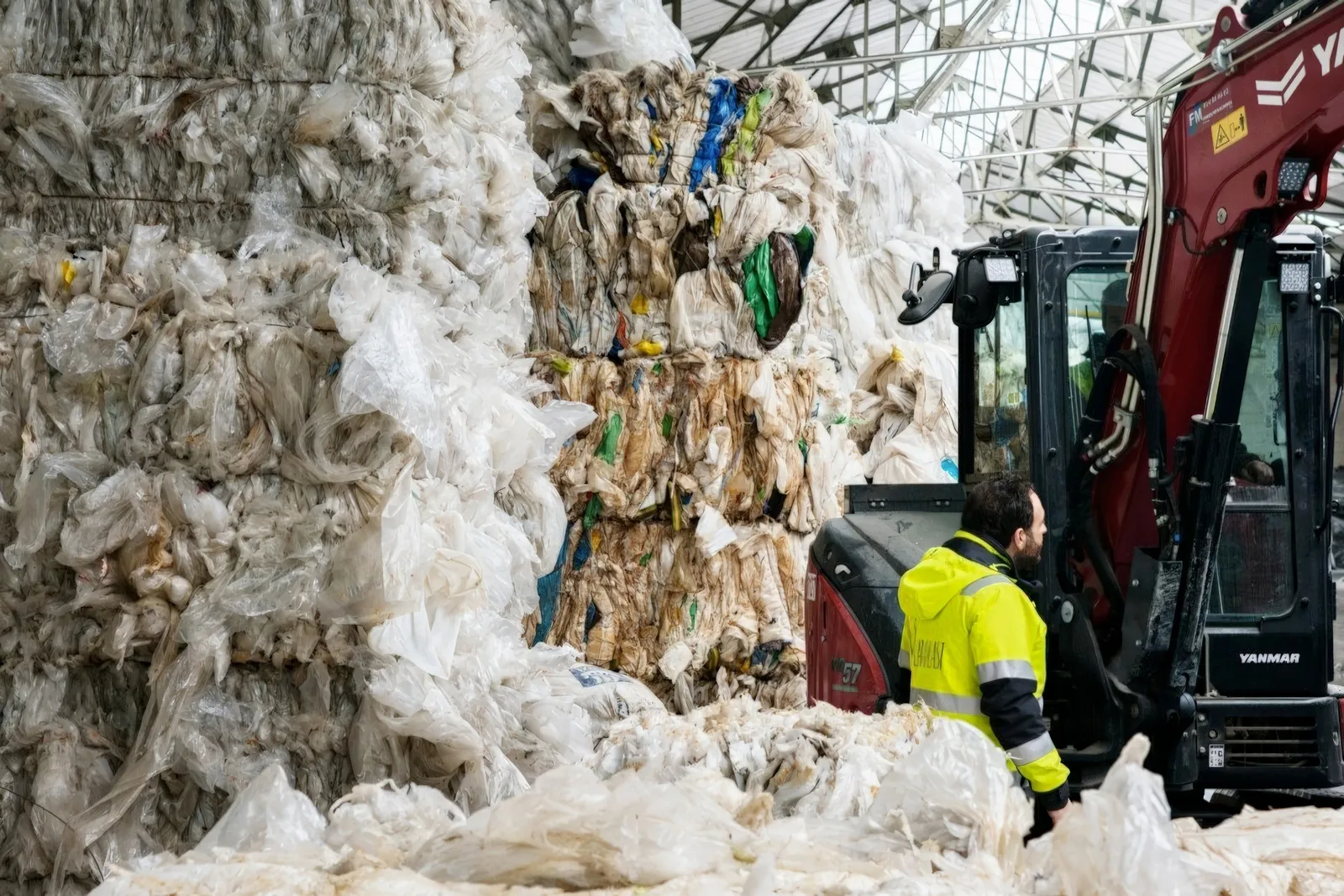
In practice, this means that recycled plastics are simply piling up in Claraplast’s warehouse. The same is happening in every EU Member State except the Netherlands. “In the final days before the 21 May deadline, they authorised 17,000 shipments, allowing their traders to continue exporting waste without the consent of the destination country. This contravenes EU rules, as the authorities have reaffirmed once again. They assured me that action would be taken. But meanwhile, a completely uneven playing field is emerging, with Dutch traders collecting plastic waste from across Europe and exporting it.”
Think it through and get the timing right
But rather than see this loophole in the Netherlands closed, Lubelski wants Europe to reflect on the impact of this legislation. “I support tighter controls on waste exports, but decisions like this should not be made from an ivory tower. Think about the practicalities. By failing to align the timing of the export ban with the recycled-content targets set out in other European legislation, we have created overcapacity here. As a result, prices will fall, collectors will start operating at a loss, and it will no longer be worth going out to collect and sort waste. The high costs will make recycling in Europe too expensive. Ultimately, this creates the opposite of what the legislation is intended to achieve. Everything we have built up is now being torpedoed. That is the real tragedy.”
Wasting our head start
The regulations also lack a long-term perspective. After all, they could all be revised in a few years. Lubelski says: “Why invest in better recycling technologies or more recycling capacity today, in order to find a use even for lower-grade plastics? A new plant requires an investment of €10 to €15 million. Who can afford that when potential revenues are so uncertain?” He fears that the entire industry will go bankrupt within a year if no action is taken. “Come on, Europe, be smarter. Delay the export ban until you have stimulated demand through other legislation, such as the PPWR. If materials lose their positive value, incineration will be the only affordable option left. We are throwing away our head start in recycling because of bad legislation. What a waste.”
Question about this story? Ask your question
Keep following this
Get an email when a new story is published. No account needed.
- ThemeMaking plastics and packaging circular
- SubjectNews







