Waste Management Association signs Building Materials Agreement
Text and images Vereniging Afvalbedrijven
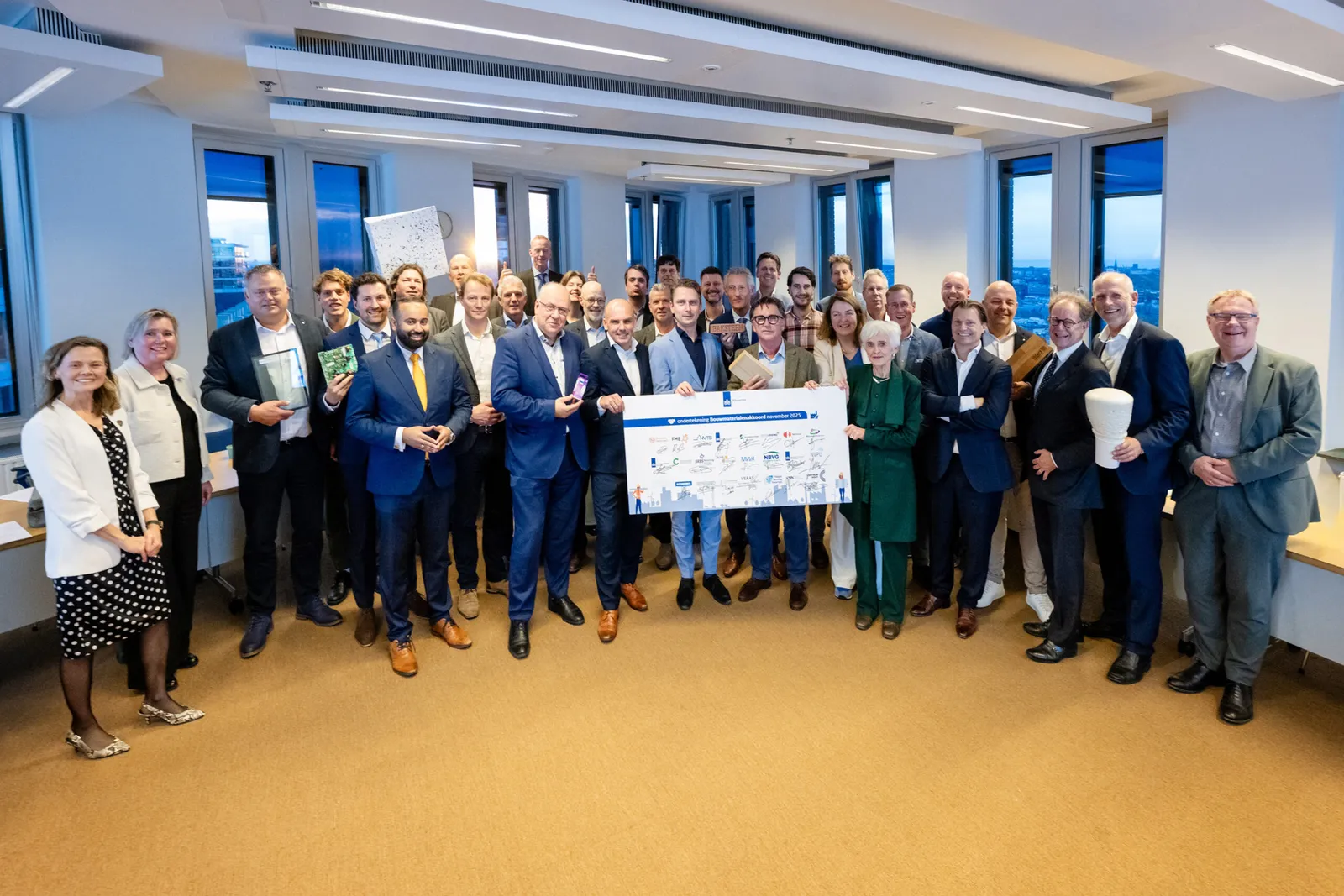
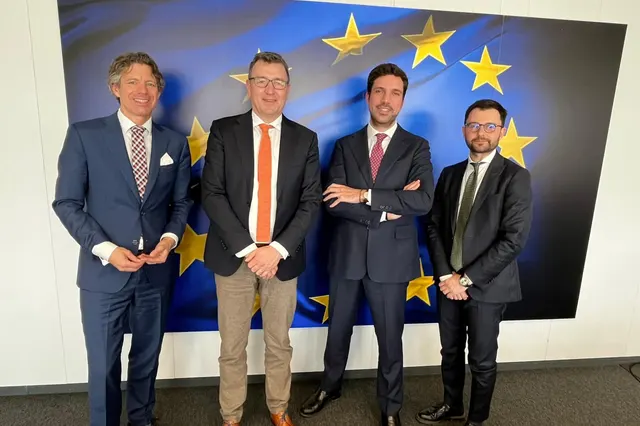
The Dutch building materials industry and the Dutch government have concluded a Building Materials Agreement. The Waste Management Association has also signed the agreement. Its aim is to increase the availability of raw materials and limit environmental damage costs across the value chain. This will contribute to a healthy living environment and make us less dependent on imports from non-European countries.
At the heart of the plans is the transition to a circular construction economy: greater availability of secondary raw materials, less use of primary materials and less waste. Each material value chain will have its own roadmap, setting out ambitions and concrete actions. The government and industry associations will support the material value chains in drawing up and implementing the roadmaps. The focus in the coming period will be on implementation. Roadmaps will be developed further, partnerships formalised and research launched. Progress towards the targets will also be actively monitored. The sector aims to demonstrate that it is ready for more sustainable and efficient use of raw materials.
GFT Congress 2026 a success
The annual GFT congress took place on 7 April. Organisations involved reviewed progress in separating, collecting and composting GFT waste. Although the separation of GFT is improving, organic waste still accounts for 30% of residual waste. There is still considerable scope for improvement, particularly in tackling food waste. The collected GFT contains an average of 3.5% contamination. Around 1,600 kilotonnes of GFT were composted in 2023.
Improving the quality and quantity of GFT remains a challenge. Inspections, coaching and the threat of fines have proved effective, as in Almere, where contamination fell sharply. Good communication across the value chain is also crucial: municipalities should take a stronger lead, and data exchange needs to improve. Changing public behaviour is essential. Awareness-raising, for example through educational initiatives, helps people sort waste more effectively. Insights from the communications breakout session will be incorporated into an updated Guide to Waste Sorting and Behaviour. The congress organisers, Rijkswaterstaat, NVRD and the Waste Management Association, look back on a successful day.
Question about this story? Ask your question
Keep following this
Get an email when a new story is published. No account needed.
- ThemeCircular construction and demolition
- SubjectVereniging Afvalbedrijven