A European response to waste crime is essential
Text and images Vereniging Afvalbedrijven
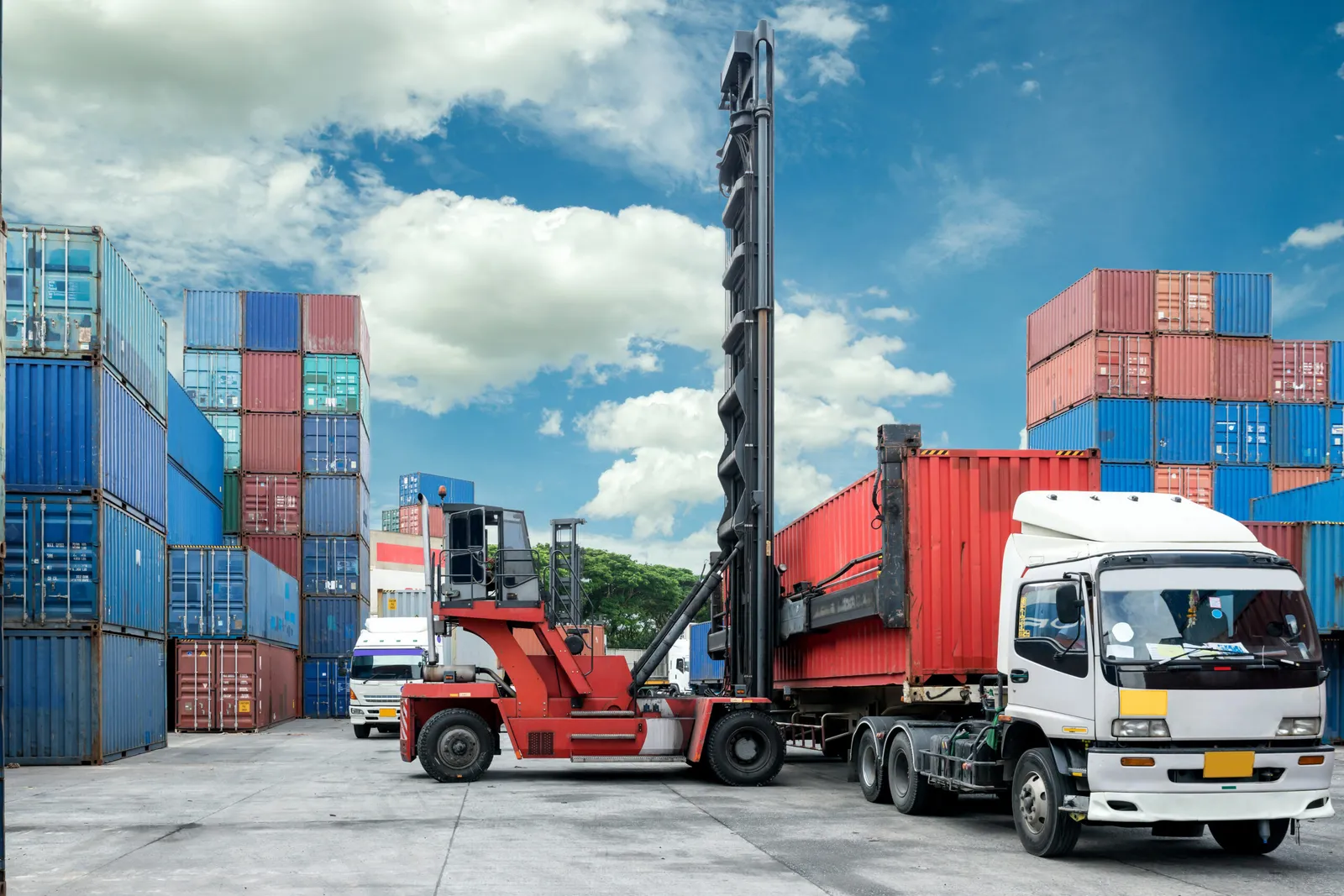
European enforcement agencies have uncovered illegal waste shipments during international checks on waste streams. Large quantities of waste were seized. Investigations have been launched into criminal networks involved in the illegal trade and dumping of waste.
Vereniging Afvalbedrijven believes it is essential for European authorities to continue taking firm action against these practices. Waste crime causes serious environmental damage and creates unfair competition for companies that collect, transport and process their waste streams in accordance with the rules. Companies in the sector invest every day in the safe collection, recycling and processing of waste streams, while society is confronted with rogue operators that evade oversight and regulation.
Realistic policy
Effective enforcement must go hand in hand with realistic policy. When waste processing in the Netherlands becomes significantly more expensive than in other countries, as will happen with the announced increase in the landfill tax and changes relating to the CO2 levy, the risk grows that waste streams will be diverted to countries or channels with less oversight or lower environmental standards. Vereniging Afvalbedrijven warns that a sharp rise in waste processing costs could increase the risk of waste leakage and illegal practices. At a time when European enforcement agencies are stepping up action against waste crime, it is particularly important that policy does not create new incentives for waste streams to move beyond the reach of oversight and enforcement. Tackling waste crime effectively requires robust enforcement and a level economic playing field across Europe.
High fuel prices drive up costs across the entire waste chain
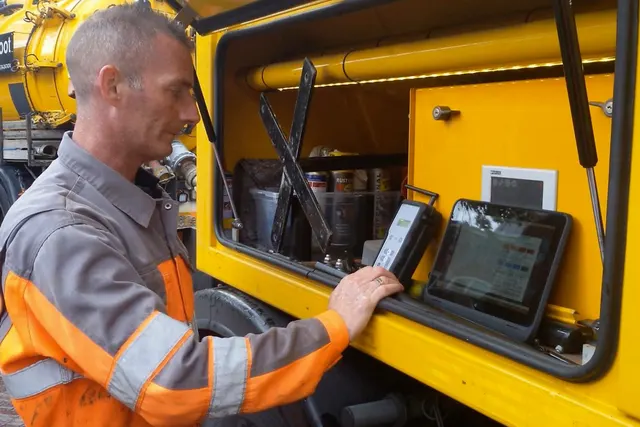
Rising fuel prices affect the entire waste chain. From transport and transhipment to sorting and recycling, fuel and energy are essential at every stage. When these costs rise, the impact is felt throughout the chain and the effects accumulate. Higher waste costs are therefore a direct consequence of price increases across the entire chain. What starts with more expensive fuel inevitably ends in higher waste processing costs.
For many waste companies, fuel costs account for a large share of total costs. Recent price developments are putting further pressure on companies’ financial position and straining existing contractual arrangements. Combined with rising labour costs, inflation and additional regulation, these increases are mounting. Vereniging Afvalbedrijven stresses the importance of adjusting contracts and pricing mechanisms in good time, so that cost developments can be passed on fairly. Transparency and indexation play a crucial role in ensuring business operations remain sustainable and services continue uninterrupted.
Question about this story? Ask your question
Keep following this
Get an email when a new story is published. No account needed.
- ThemeCircular business under changing regulations
- SubjectVereniging Afvalbedrijven