Fewer lost-time accidents in waste collection, more in waste processing
Text Valérie CouplezImage iStock
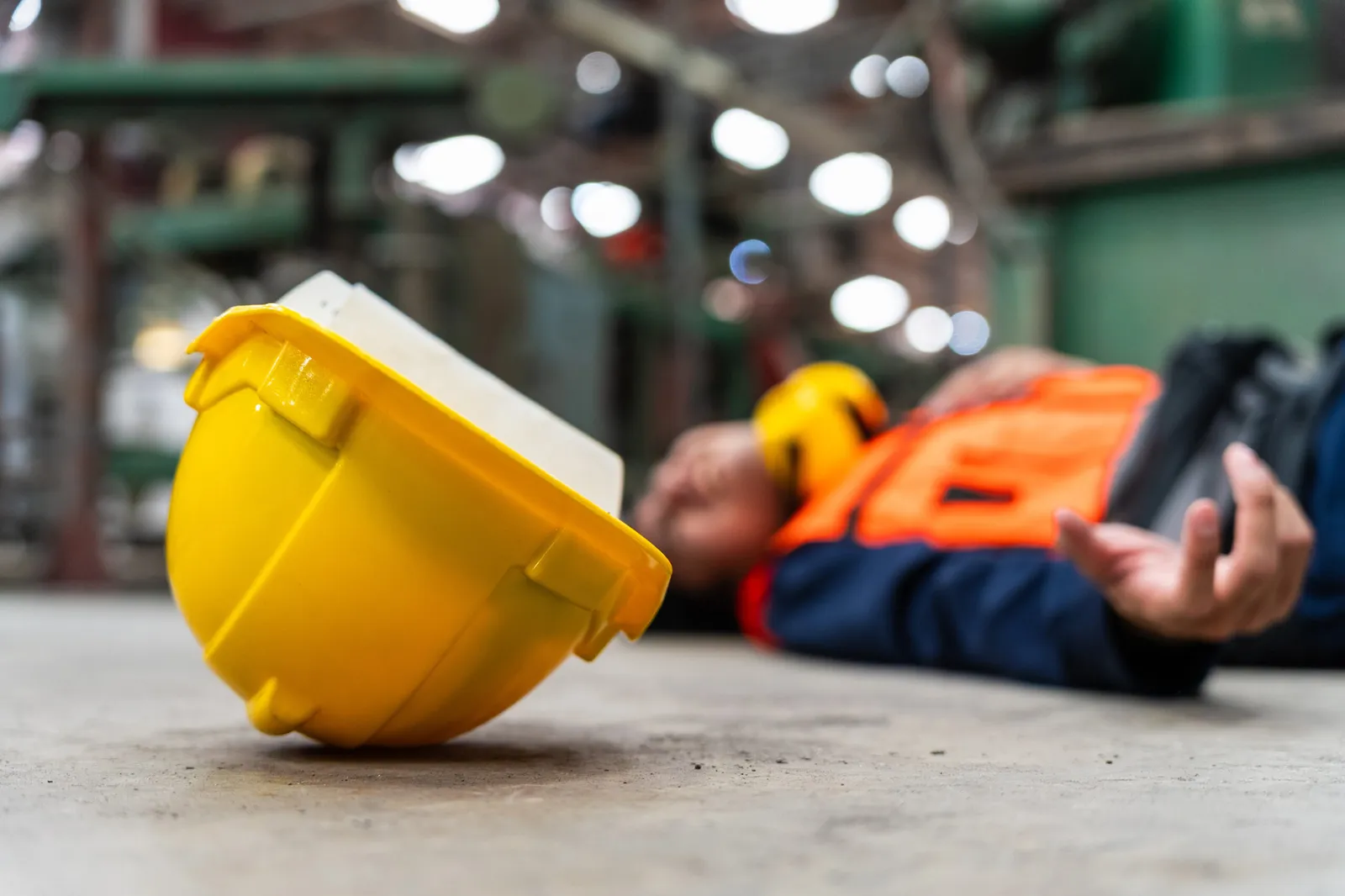
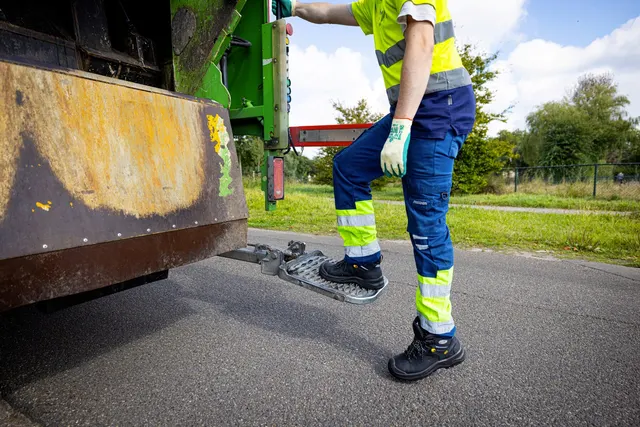
Extra attention to safety. That is no luxury in the waste and recycling sector. In this section, each edition will now highlight an initiative that makes safety a priority. Last year, we reported on the new Safety Monitor, an initiative by WENB, VA and NVRD. Due to the introduction of the new system and the transition period, it is more difficult to compare this year’s data with previous years. Nevertheless, Vereniging Afvalbedrijven shares several important conclusions. The number of lost-time accidents in waste collection and sewer management has fallen, while the number in waste processing has risen.
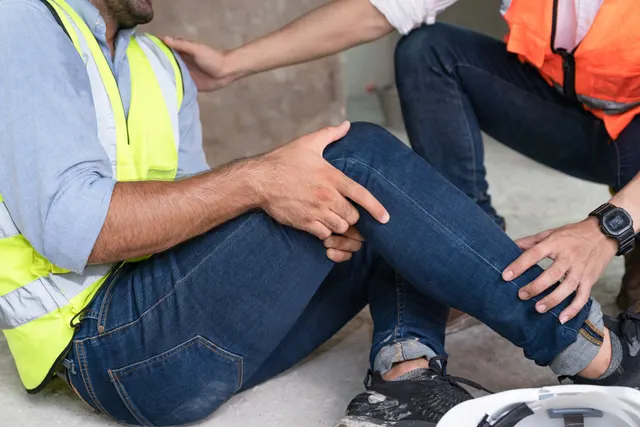
Unfortunately, two fatal accidents involving third parties also occurred last year. The causes of the accidents are similar to those in previous years. The top five are being trapped, falling objects, cuts, trips and impacts. This is according to the Accident Survey by Vereniging Afvalbedrijven (VA). VA notes that the data is not entirely representative because accident registration is currently in a transitional phase. Some VA members completed the previous Accident Survey, while others used the Safety Monitor. This makes the 2025 data more difficult to compare with that of previous years.
More verbal and physical aggression
Although the dataset is not yet representative of the entire sector, the report indicates that both verbal and physical aggression by third parties are significant causes of incidents during collection work. Employees are increasingly confronted with unwanted behaviour from residents. This affects not only their safety, but also their job satisfaction and ability to work. We cannot substantiate this using the accident survey among VA members, but many NVRD members recognise this picture from their day-to-day work. NVRD members focus on collecting household waste and therefore often come into direct contact with residents.
Better understanding of incidents and risks
VA encourages its members to use the Safety Monitor. Participating in the Safety Monitor delivers direct benefits for companies: by comparing their own data with that of the sector, organisations can identify opportunities for improvement. If the monitor is used by many organisations, we will gain insight into sector-wide trends and developments more quickly. It also provides valuable information to learn from and use as a basis for targeted efforts to create a safer working environment. The Safety Monitor is more effective than the accident survey. By adding, among other things, basic risk factors, we can better understand incidents and risks and make well-founded decisions about follow-up actions. The monitor also provides guidance for the future. The Safety Monitor is available to all organisations in the sector. By sharing knowledge and data, companies strengthen not only their own organisations but also the sector as a whole.
Question about this story? Ask your question
Keep following this
Get an email when a new story is published. No account needed.
- ThemeImproving waste collection and transport
- SubjectSafety first