It is not the purchase price, but the cost per operating hour that counts
Text Kris VandekerckhoveImage Wout Goeminne
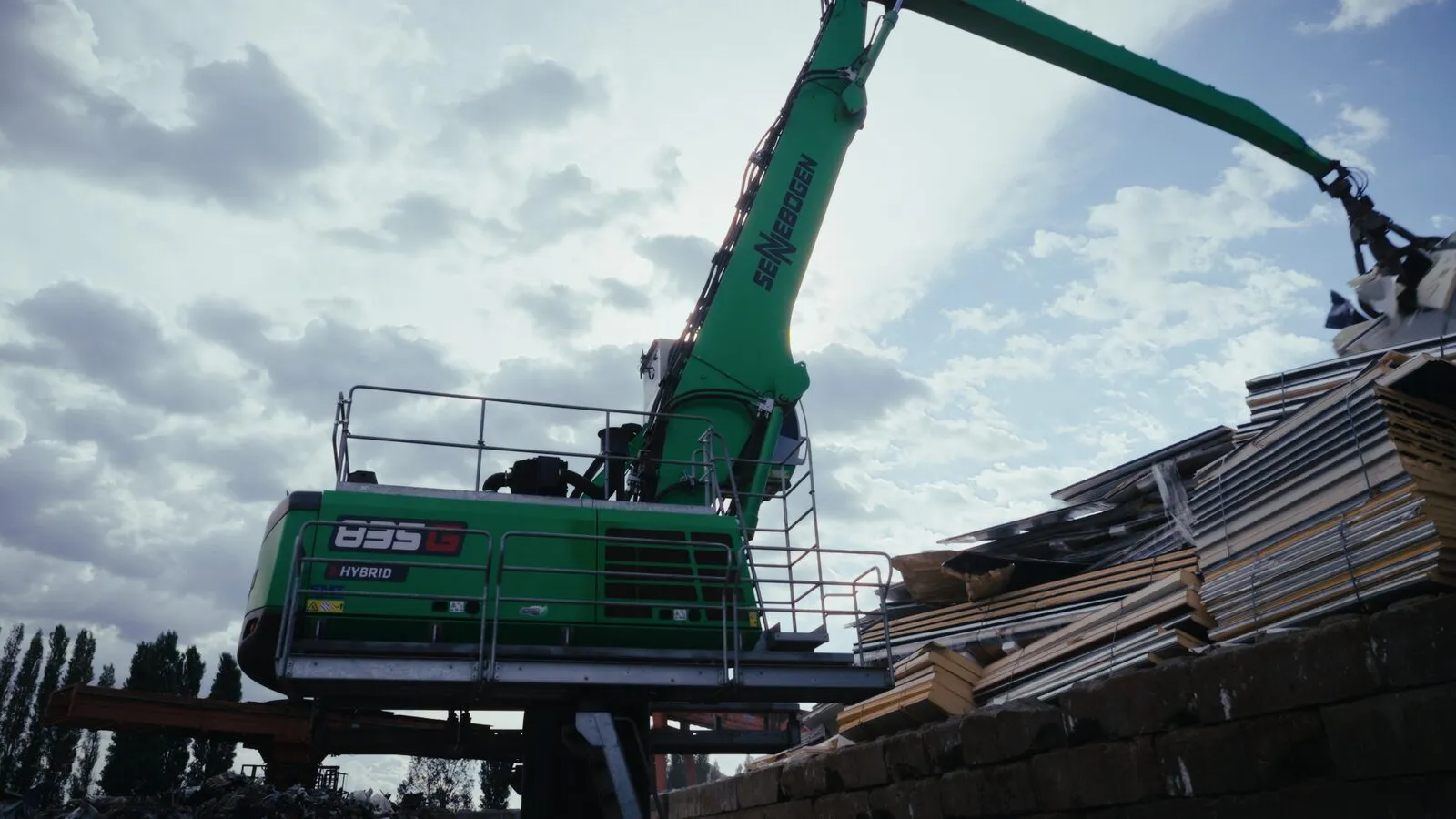
A material handler is not bought solely on the basis of reach, lifting capacity or purchase price. In the recycling sector in particular, fuel consumption, maintenance, availability and the relationship with the supplier also determine how much a machine ultimately costs. At Casier Recycling, where machines run for an average of around 1,600 hours a year, total cost of ownership therefore plays an important role. The company recently chose another material handler from the same machine family, with which it has years of experience.
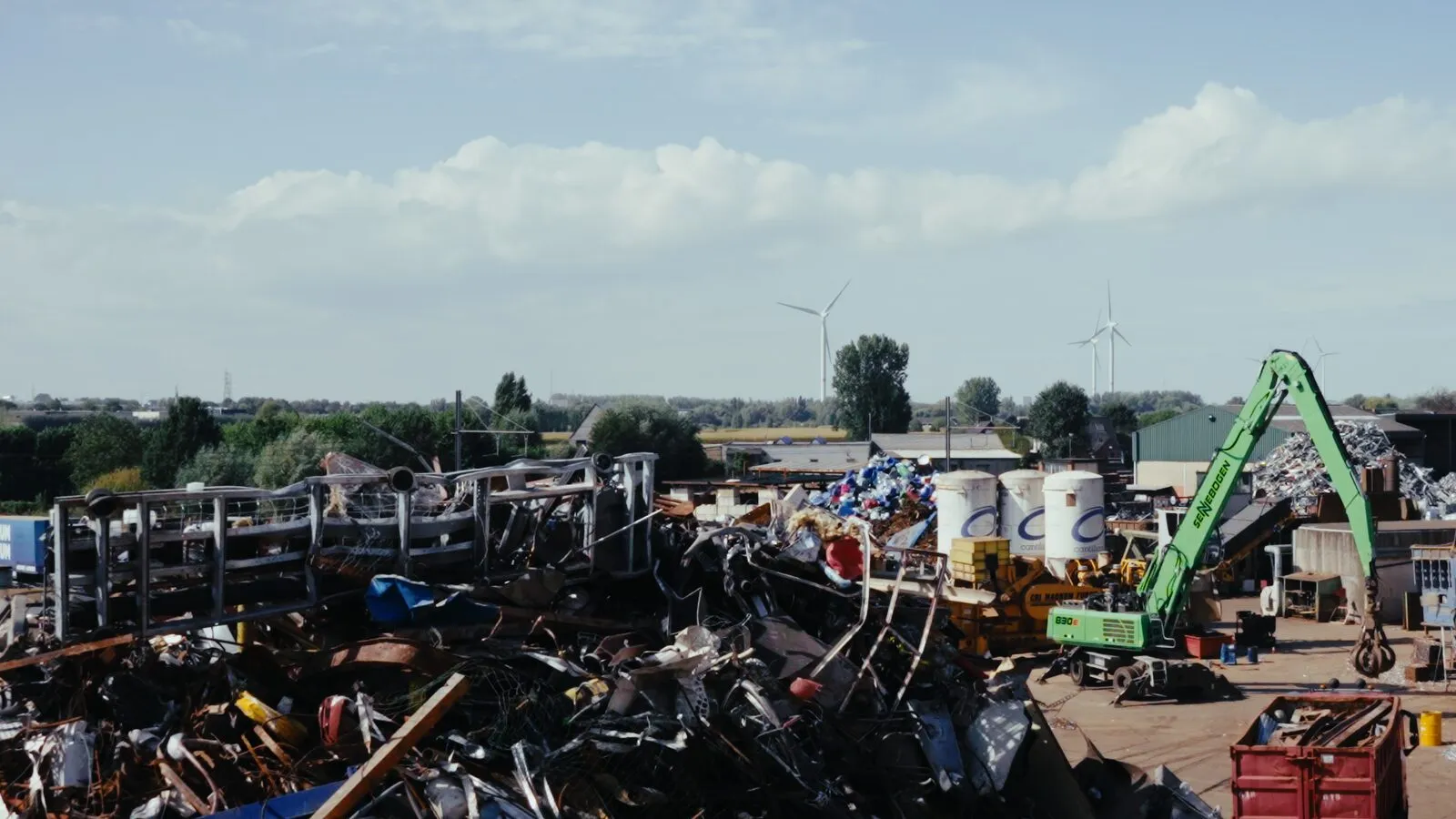
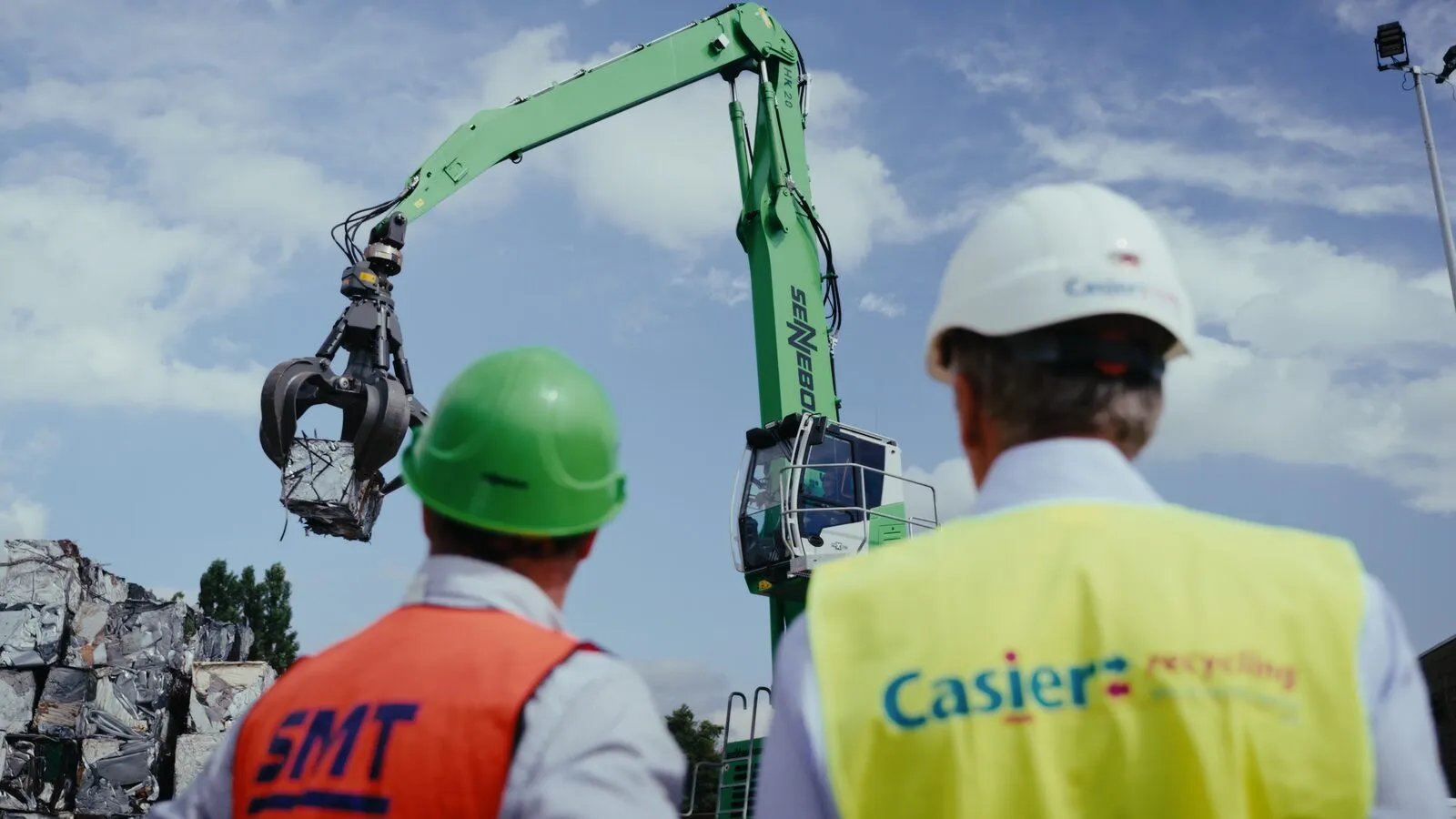
Casier Recycling knows what intensive machine use means. The family business from Deerlijk has been active in recycling for more than a century. That involves around 12,000 tonnes of ferrous scrap, 2,500 tonnes of non-ferrous scrap and 500 tonnes of wood waste each month. The recycled material then finds its way to steel companies, smelters and other processors of secondary raw materials, among others. In this kind of environment, a material handler is not a machine that is brought in from time to time. It is a daily link in the flow of materials. Loading, unloading, sorting and moving material all have to keep going. Choosing a new machine is therefore about much more than comparing technical specifications.
Reach and stability
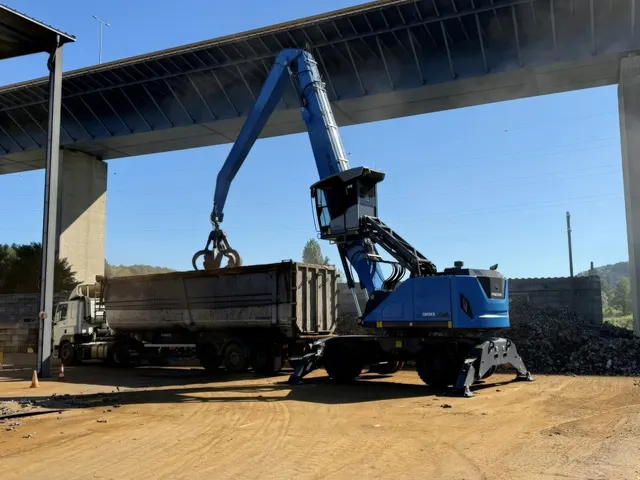
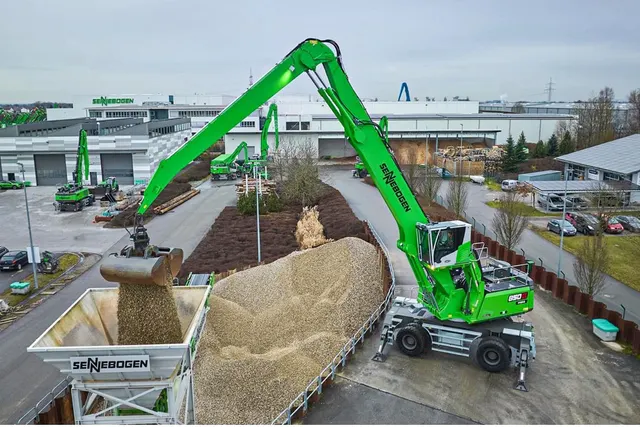
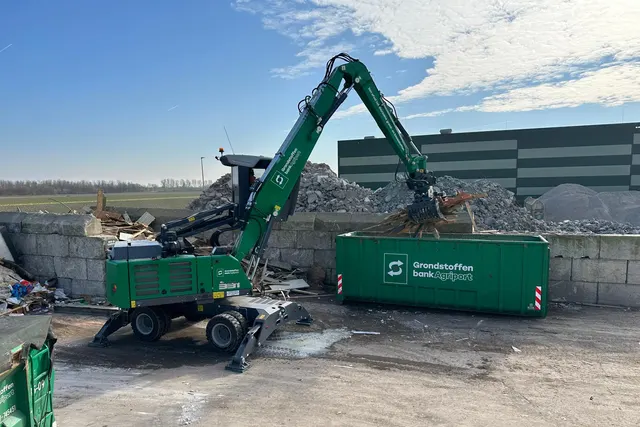
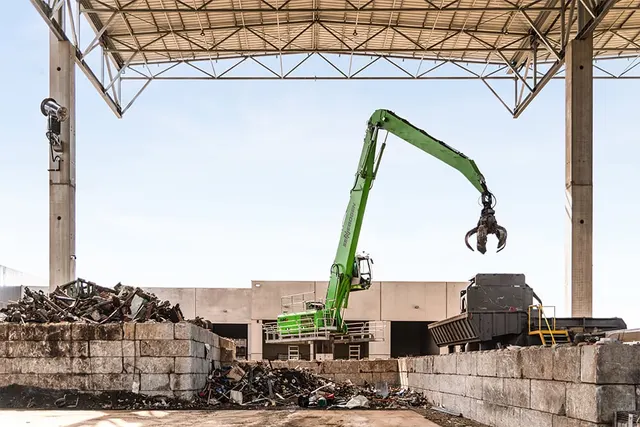
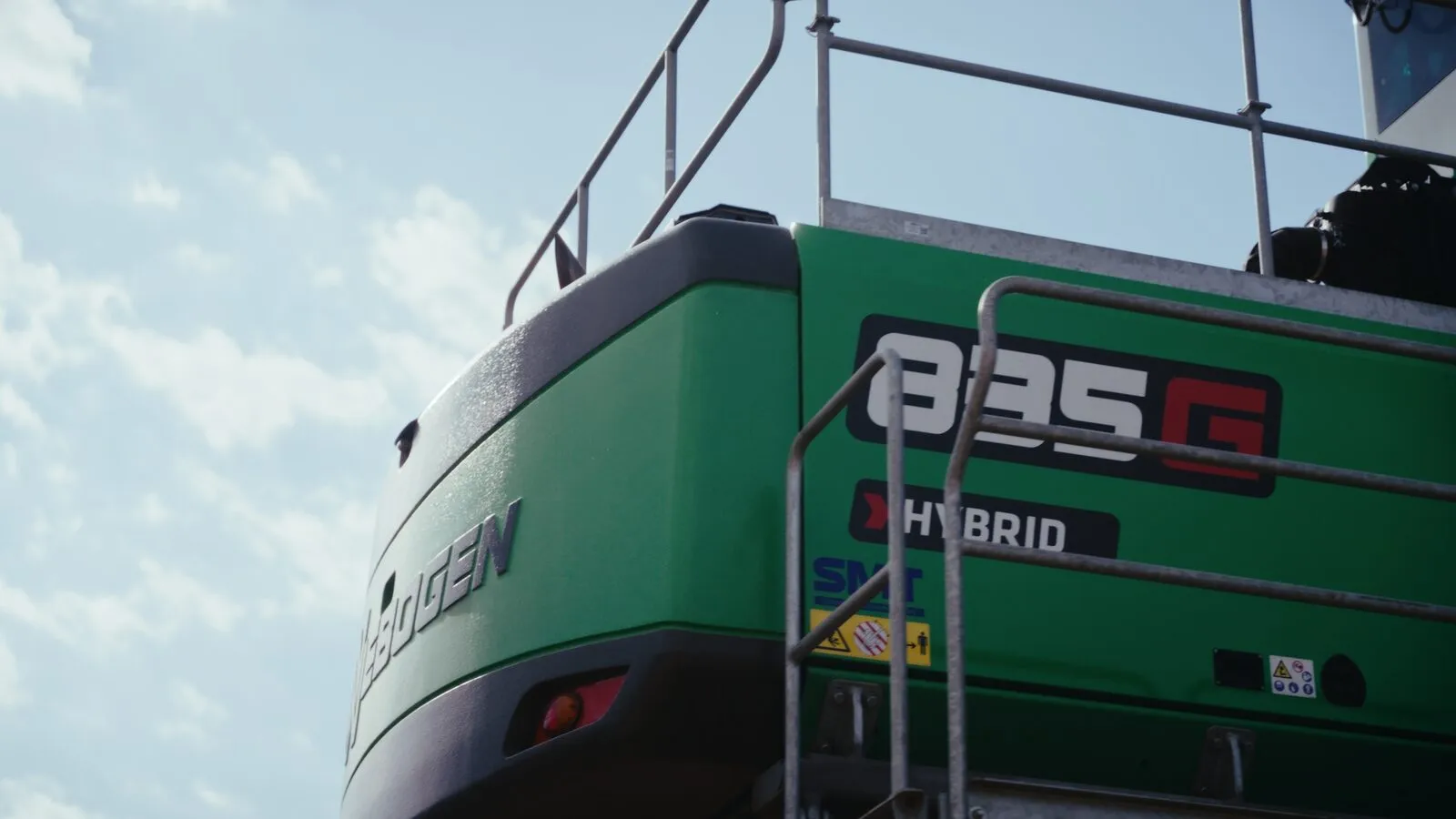
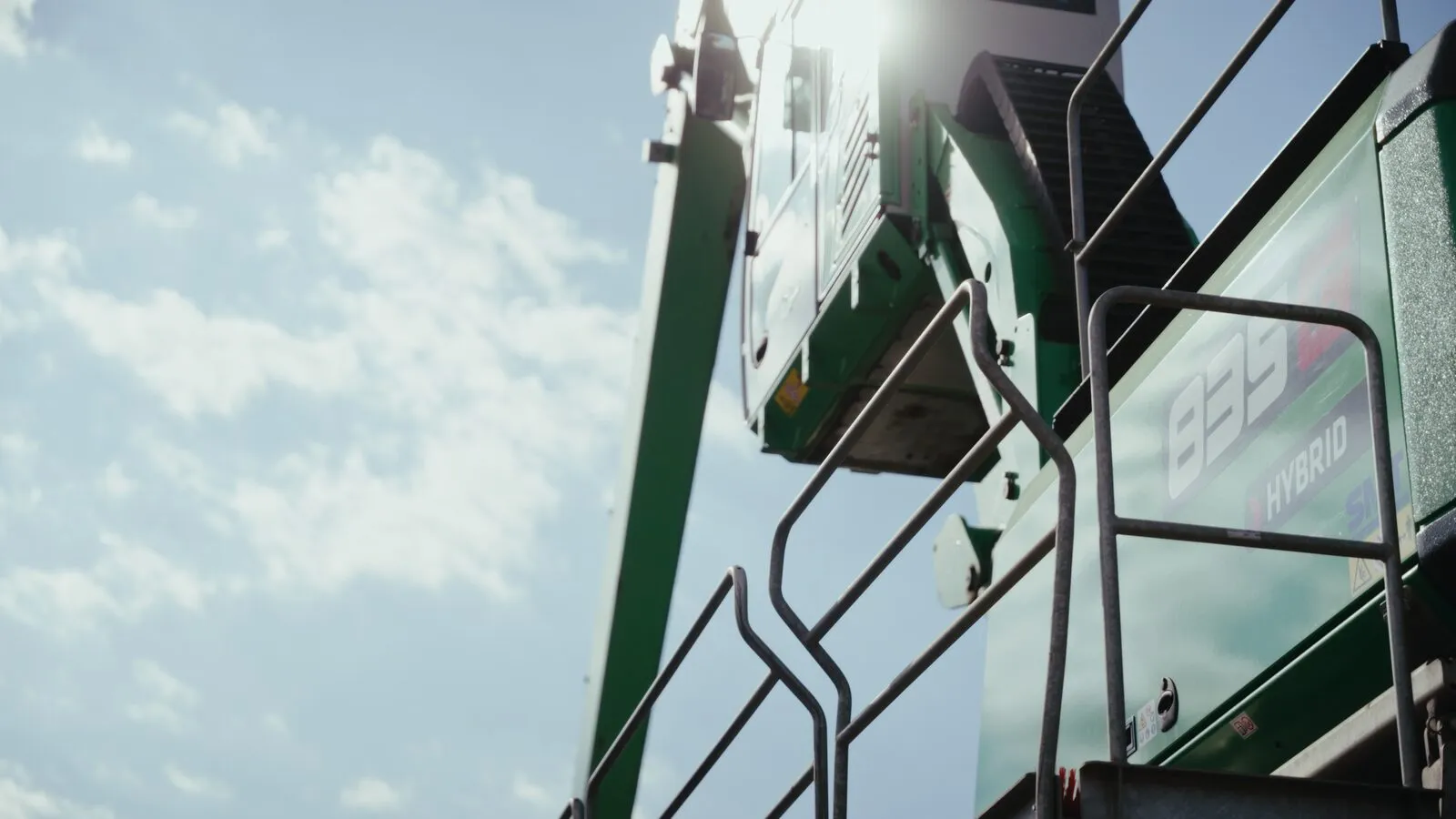
“The main requirements were good reach and a stable machine, combined with the existing grabs,” explains Dirk Philippe, account manager at SMT. These requirements had already led Casier to choose a SENNEBOGEN 830 Heavy Duty. That machine has now been in use for several years. A new machine from the 830 G series was recently added to the fleet. Casier is therefore building on a familiar concept. With an operating weight of approximately 40 to 41 tonnes, the current 830 G sits in the mid-size class of material handlers. Depending on the configuration, it has a maximum reach of 17 m and the diesel engine delivers 186 kW. The machine was developed for scrap and recycling companies, wood processing and port handling, among other applications. The G series brings further developments to the cab, hydraulics and machine control system. The SENcon control system is intended to give operators and service teams more insight into how the machine is operating, while efficiency and fuel consumption were also key considerations in the development of the 830.
1,600 operating hours add up
For technical director Koen Debaere, the total cost is what matters most. He has worked for the Casier group for 36 years and is responsible for everything related to engineering. “Our machines run for an average of around 1,600 hours a year,” he says. “That makes the cost of a machine very important, of course. This includes maintenance costs, but also fuel costs. Together with the purchase price, these ultimately determine how a machine performs economically.” It is precisely with this level of use that the difference between purchase price and actual machine costs becomes clear. A small variation in fuel consumption or maintenance costs may seem minor on paper, but multiplied across thousands of operating hours over the machine’s entire service life, it can have a significant impact. Downtime is part of the equation too. A machine that is unavailable not only incurs a technical cost, but can also disrupt the flow of materials on site. Service and parts supply therefore also form part of the investment decision.
Relationship built since 2015
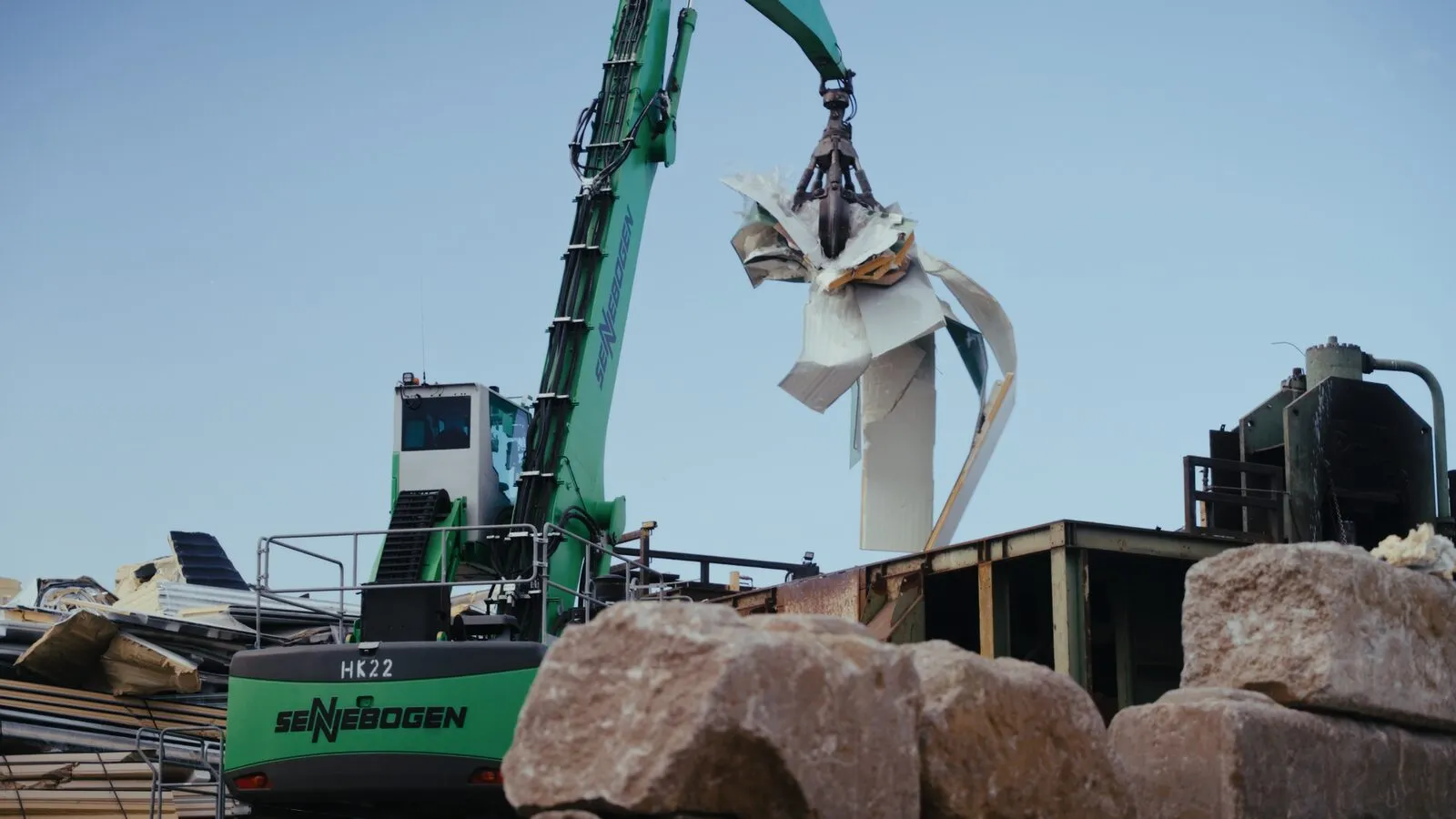
Casier bought its first SENNEBOGEN from SMT in 2015. According to Debaere, the relationship has been good ever since. He has also seen the supplier invest further in customer service and machine maintenance in recent years. SMT is the exclusive distributor in Belgium and Luxembourg for SENNEBOGEN, among other brands, and its service organisation focuses specifically on construction, material handling and recycling. The company highlights control of operating costs and machine availability as key parts of its service offering. For Casier, the new 830 G therefore appears to be a continuation of a choice that has been put to the test in practice for years. No single spectacular technical feature made the difference. It was the combination of reach, stability, compatibility with the existing grabs, operating costs and support. And that may be the most relevant lesson for recyclers looking to buy a new material handler. On a busy site, a machine is ultimately judged not by what it costs at delivery, but by how it performs over thousands of operating hours.
Een zakelijke vraag aan SMT Belgium NV/SA? Get in touch
Companies in this story
Keep following this
Get an email when a new story is published. No account needed.
- ThemeSmarter use of machinery and plant
- SubjectMaterial handlers
- CompanySMT Belgium NV/SA