Can your dust burn?
Text and images STUVEX
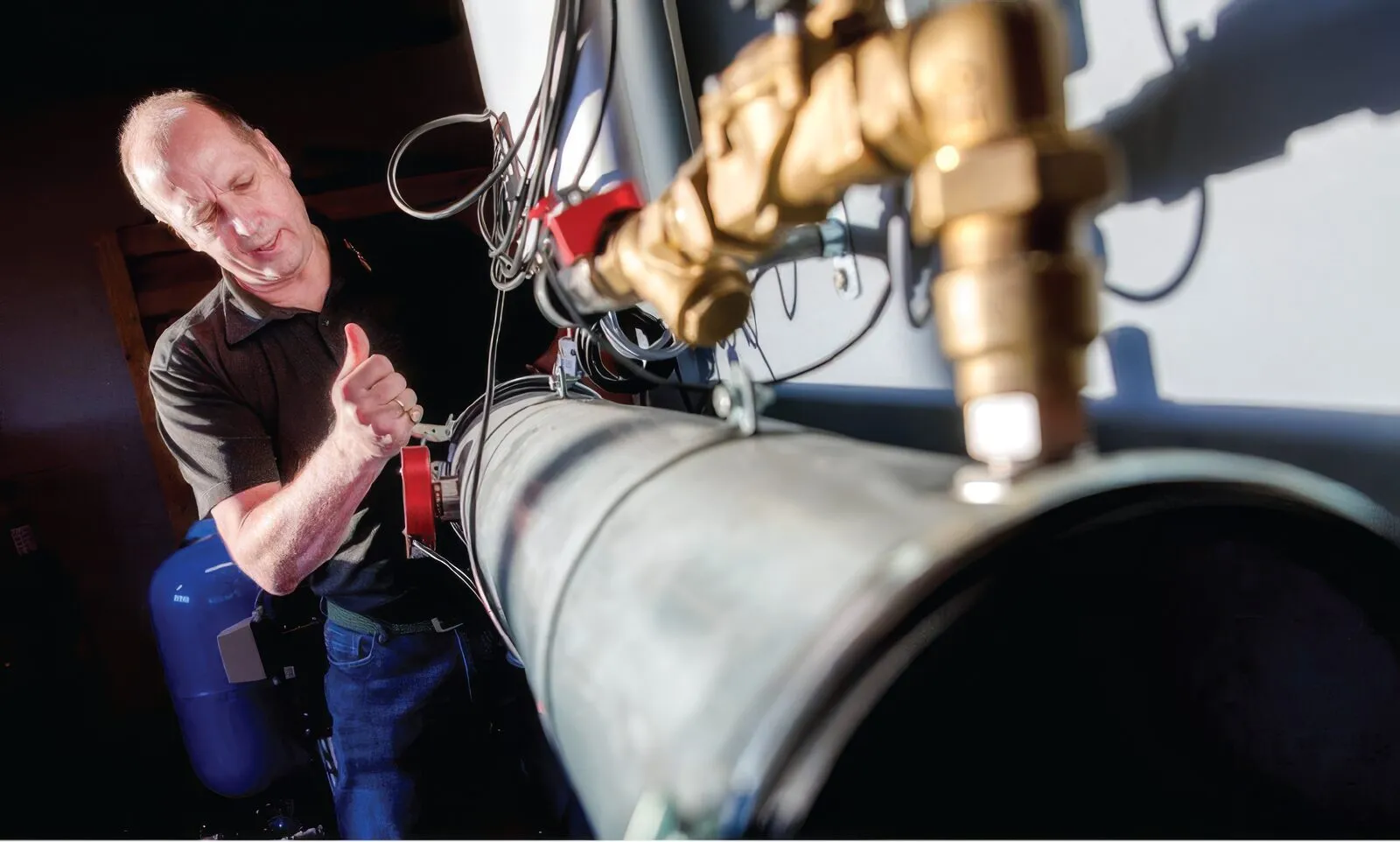
The ATEX directives are a much-discussed topic in the wood and furniture industry. Some consider the requirements too strict. But are they? René Hvidkær of STUVEX Nordic argues that companies should look beyond their legal obligations and thoroughly investigate the risks posed by combustible dust.
Dust can burn and, under certain conditions, explode. René Hvidkær therefore urges companies to review how they extract, convey and store dust. Installations that have operated without incident for years also deserve attention. “Fortunately, most companies have little or no experience of fires in their filter systems. However, that offers no guarantee for the future,” says Hvidkær. “A filter system and production process in which sparks or incandescent particles can be generated pose a risk of fire and explosion.” His advice is clear: include the risk of dust fires and explosions in the company’s strategy.
Limiting damage
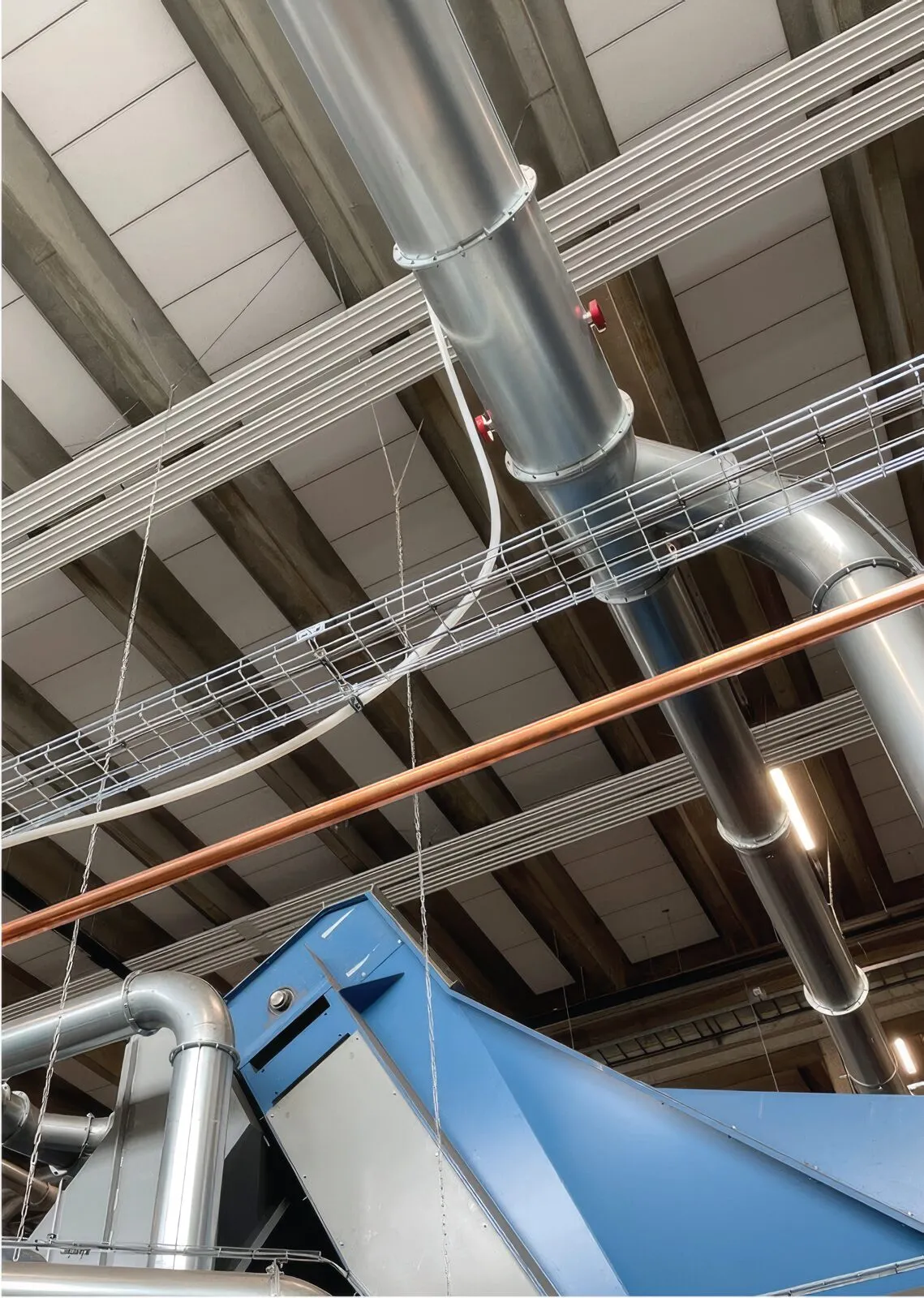
An important part of this approach is limiting the impact of an explosion. Explosion vent panels can limit pressure build-up by directing pressure and flames to a safe area, away from employees and buildings. It is also essential to prevent an explosion from spreading through the extraction ducts to the production area. According to Hvidkær, suitable explosion isolation valves, such as non-return valves, can help achieve this. “When filtered air is returned directly to the production area, the return duct must also be protected against the propagation of an explosion,” he stresses.
Prevention starts on the shop floor
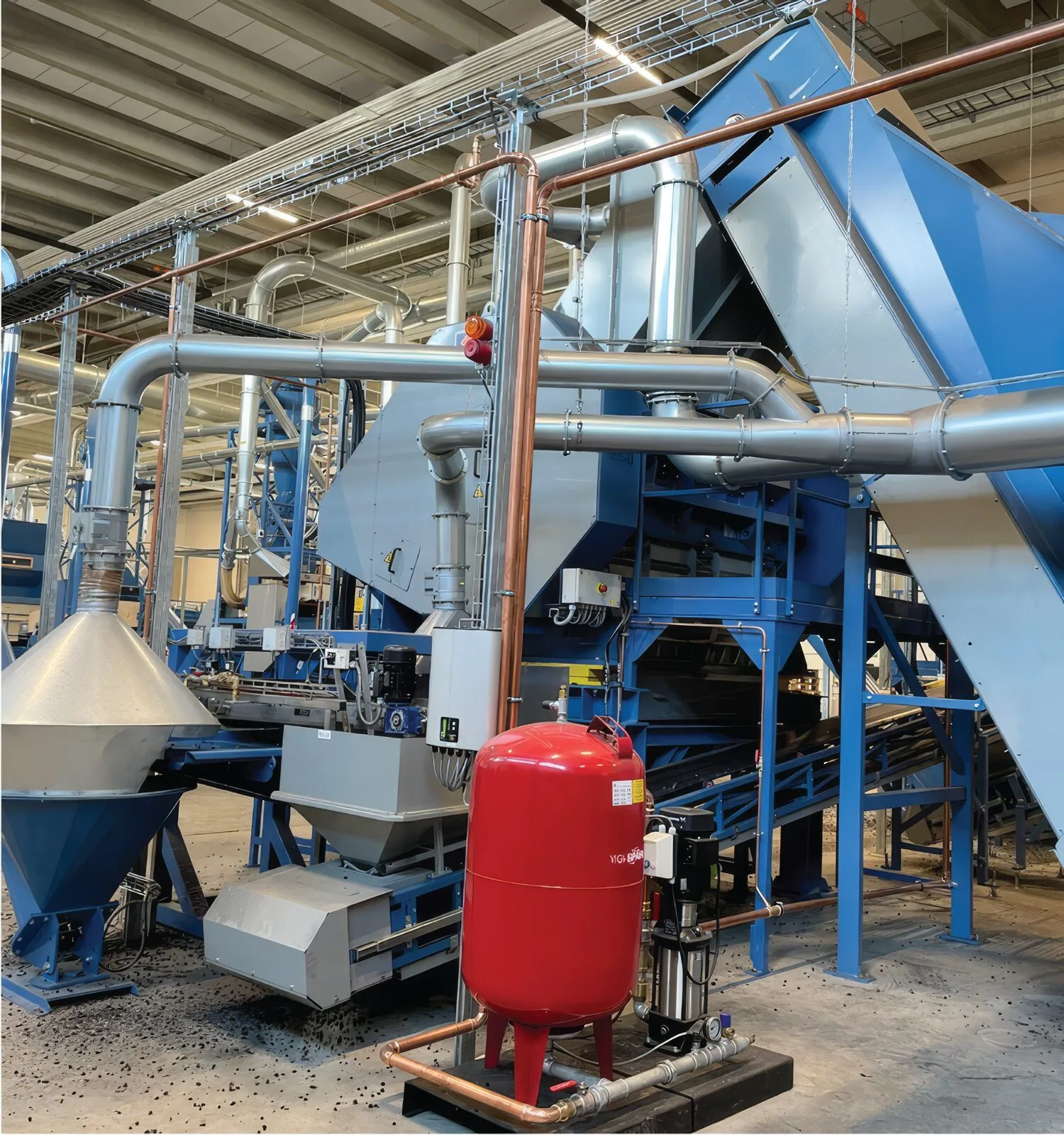
Alongside measures to limit the impact of an explosion, prevention is essential. One of the simplest steps is to clean regularly around machinery. This reduces the risk of a fire spreading to other materials via accumulations of dust. Preventing an explosive atmosphere also requires attention. In principle, this can be done by keeping the dust concentration below the lower explosion limit. Another option is to reduce the oxygen concentration sufficiently to prevent combustion. Hvidkær points out that such measures are often difficult to implement in extraction systems, filters and silos. Additional solutions are therefore needed to detect and eliminate ignition sources in time.
Detecting and extinguishing sparks
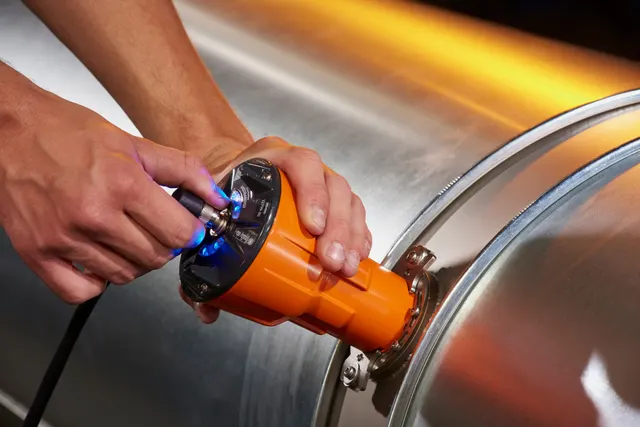
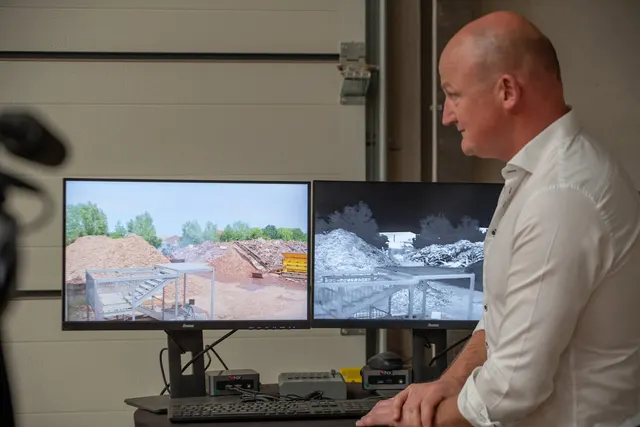
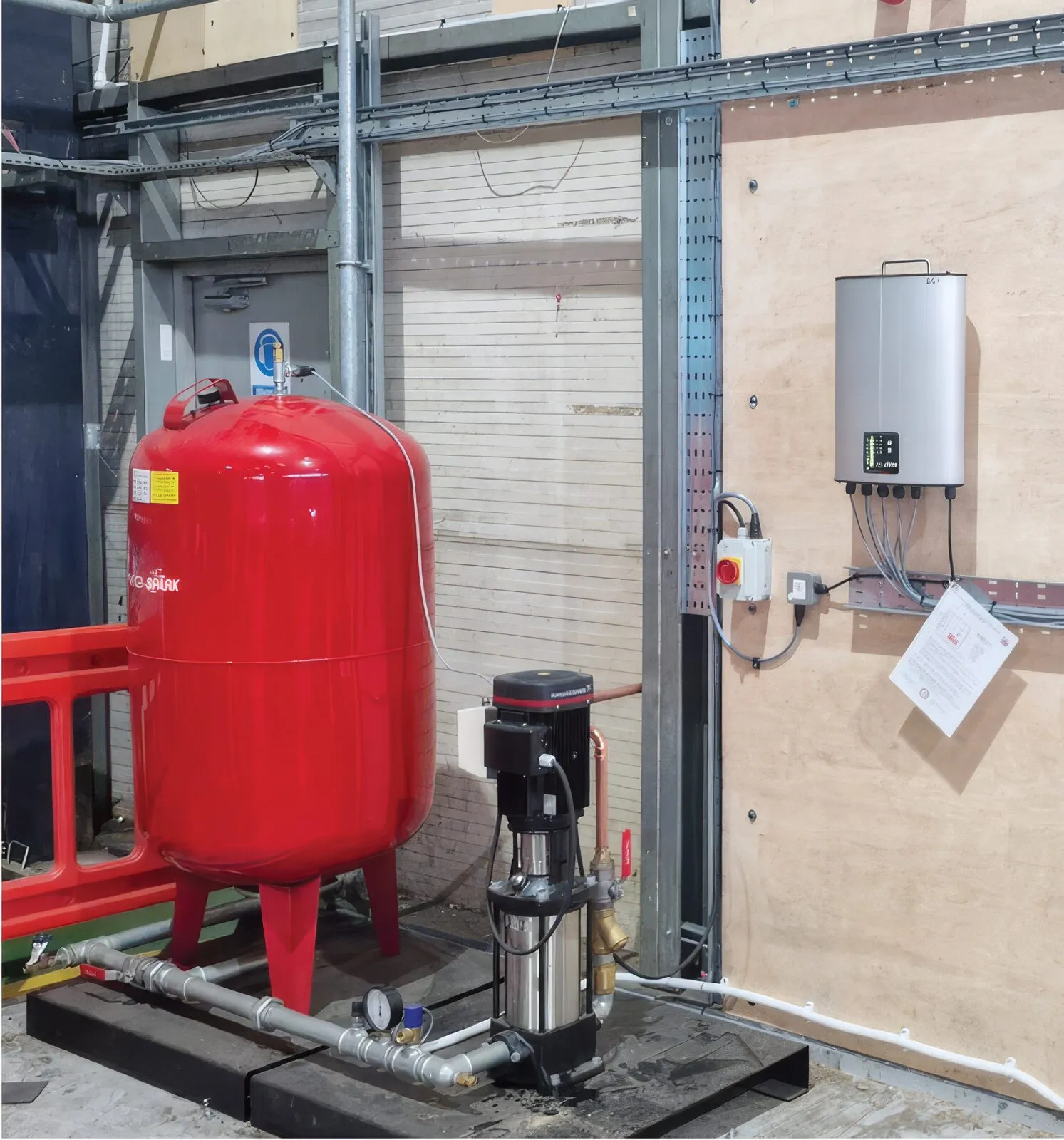
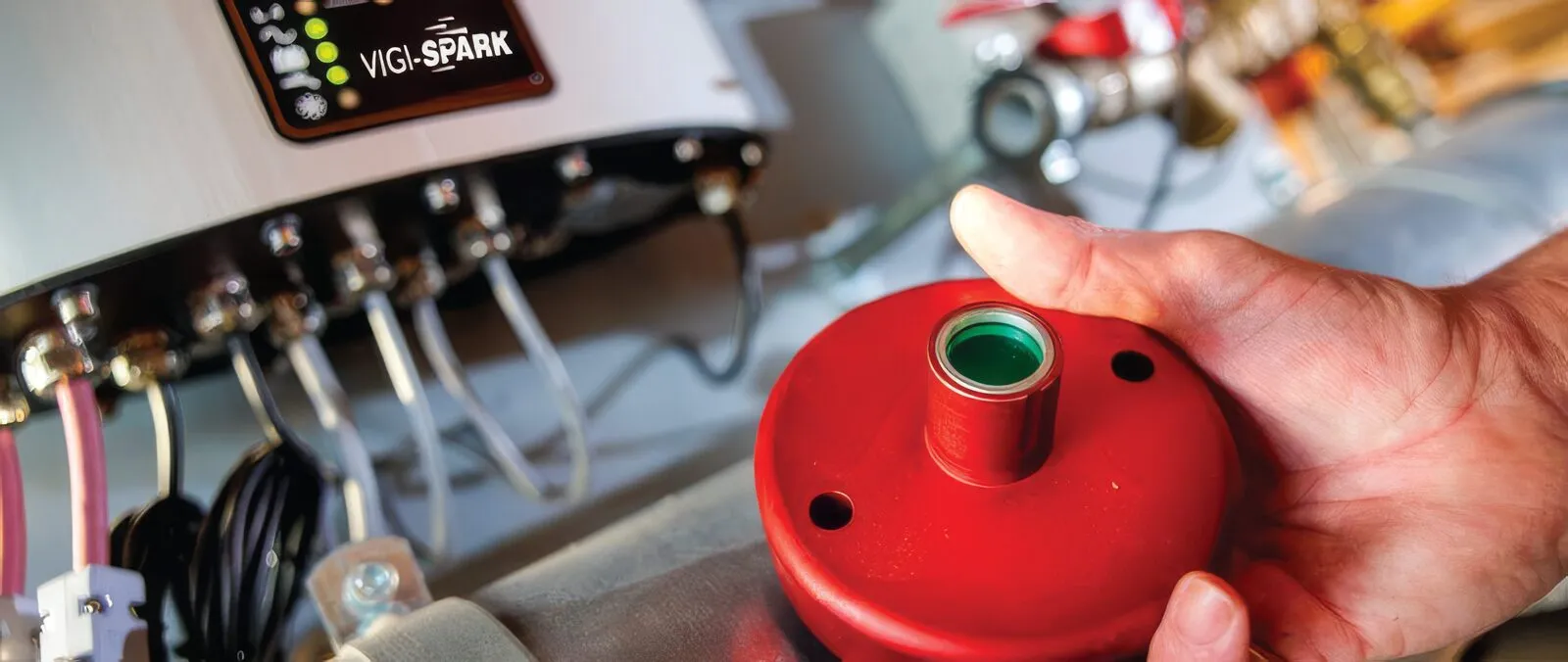
In a filter system, a single ignition source can be enough to cause a fire or explosion. The key is therefore to prevent sparks or incandescent particles from reaching combustible material. Spark detection and extinguishing systems are designed to detect and extinguish such ignition sources while they are still in transit. “Here, too, prevention is better than cure,” says Hvidkær. “Detecting a potential ignition source and extinguishing it with water is often an effective and cost-efficient way to protect production.” The extinguishing process can take place while production continues. At the same time, employees receive early warning of potential problems in the production process.
Insurance does not cover everything
Depending on the policy terms, business insurance can cover material damage and the financial impact of a production stoppage. However, the commercial consequences of a prolonged shutdown are harder to mitigate. “Can your customers wait until you resume production, or will they have found another supplier in the meantime?” Hvidkær asks. He therefore advises companies in the wood and furniture industry to consult specialists with the expertise and solutions to protect their operations. Insurers, he says, are also scrutinising the measures in place more closely and imposing increasingly stringent safety requirements.
Een zakelijke vraag aan StuvEx International NV? Get in touch
Companies in this story
Keep following this
Get an email when a new story is published. No account needed.
- SubjectFire safety
- CompanyStuvEx International NV