Textile production: how it can be done better
Text Valérie Couplez en ZeemanImage Zeeman
Dutch retailer focuses on sustainability
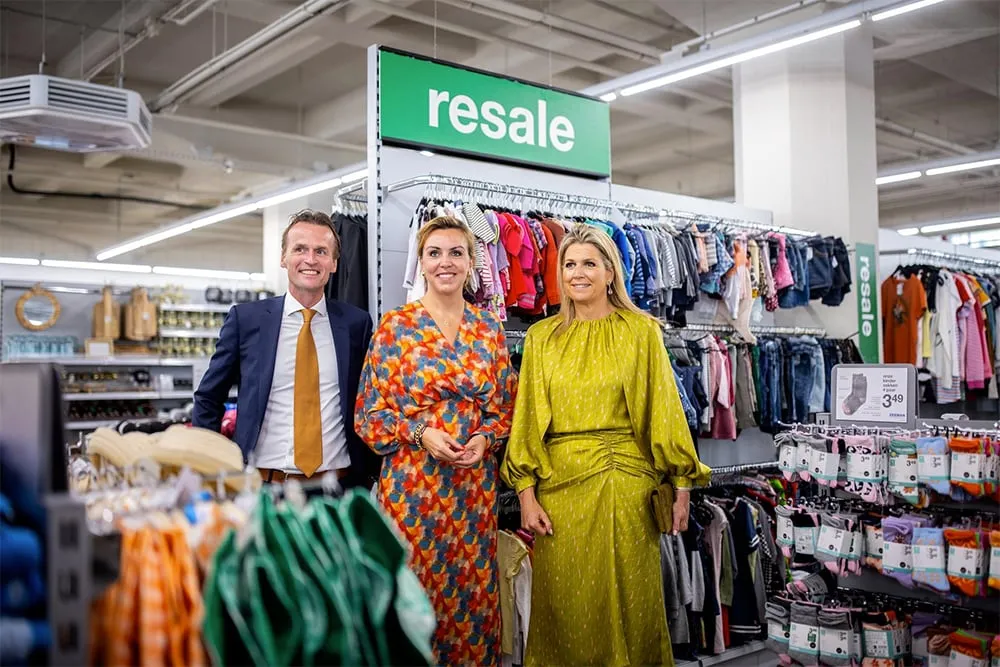
How can the textile sector make the transition to a circular business model? By following Zeeman’s example. A host of initiatives are under way to make the business more sustainable, from collecting and selling second-hand clothes to using recycled fibres in new products. The Dutch retailer’s efforts have not gone unnoticed. Last year, its branch in Alphen aan den Rijn welcomed distinguished visitors: Queen Maxima and Dutch State Secretary Vivianne Heijnen saw how a circular system works in practice and the challenges Zeeman still faces. Here are some of the initiatives.
Cotton is our main raw material. Cotton accounts for 66% of our textile range. We make underwear, socks and baby bodysuits from cotton, as well as tea towels and bath towels. Cotton production has a significant environmental impact because it requires a lot of water and uses pesticides and artificial fertilisers. That is why we are increasingly choosing more sustainable alternatives as raw materials, such as organic cotton. No harmful chemicals or artificial fertilisers are used to produce it. We also use recycled cotton. This involves reusing leftover materials from previous production runs, saving new, valuable raw materials. However, most of the cotton we use is currently sourced through Better Cotton. In 2022, 75% of the cotton we used came from more sustainable options.
Use of recycled materials
To increase our use of more sustainable materials, we want to focus more on recycled materials. Our target was for recycled materials to make up 10% of our collection in 2022. Unfortunately, we did not meet it: by the end of 2022, recycled materials accounted for 4.6%. We have found that a higher proportion of recycled material in an item often results in lower quality. Most of the recycled material we use is recycled polyester. Polyester is the second most widely used material in our collections, after cotton. In 2021, recycled polyester accounted for 8% of the polyester we used. In 2022, this rose to 13%. Our recycled materials target also includes recycled cotton and our second-hand collection (Resale), among other things. To meet our target, we will need to increase the share of recycled materials in the coming years.
Towards fully circular textiles
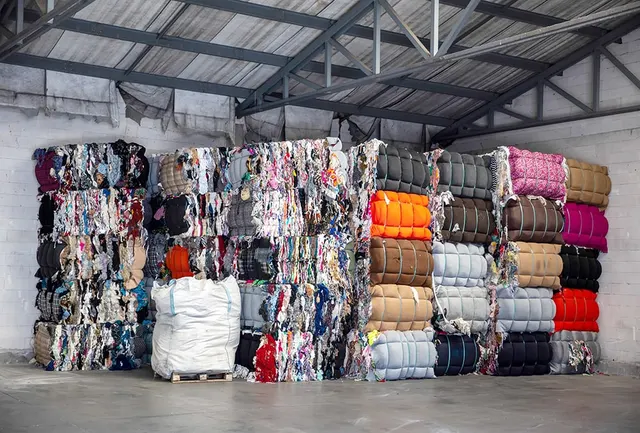
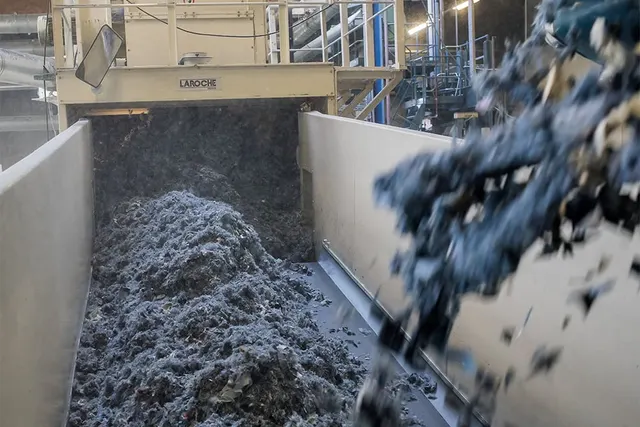
We are working with a group of partners to produce a fully circular item. The idea is to make a new product in the Netherlands using the highest possible proportion, ideally 100%, of post-consumer recycled textile waste. We have formed a recycling chain to develop the product. Our partners are Cirkelwaarde, Frankenhuis and Enschede Textielstad. Saxion has also joined the project to test the quality of yarns that can be made from post-consumer fibres. Het Goed has joined as our sorting partner for the material we plan to use. This is an entirely new process, so it will be some time before a 100% post-consumer recycled product is on our shelves.
Encouraging reuse
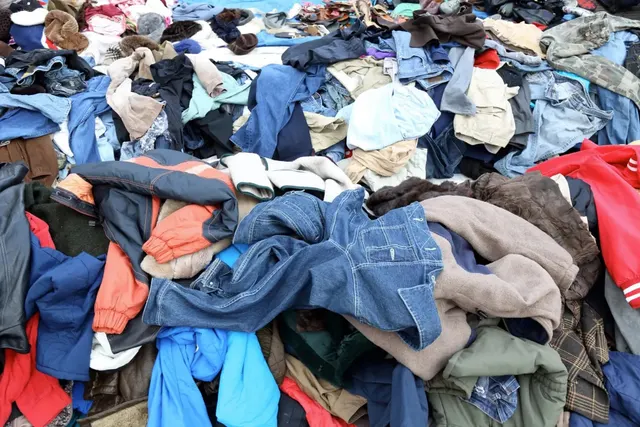
Since 1 July 2023, textile producers have been responsible for the waste phase of their products. Zeeman has taken a first step in this area: all Zeeman stores in the Netherlands have a collection point for second-hand clothes, and some branches are now also selling second-hand clothes. These initiatives have saved more than 33,000 kilograms of CO2 so far. The successful project won the Circular Award Large Business and led to an invitation to take part in the EU Environment Council of ministers in Sweden last April.
Circular design
Making sustainable choices when developing collections has a positive effect throughout an item’s lifecycle. Over the past year, we therefore drew up design practices with our styling team. We hope these will involve the team more actively in our sustainability strategy, helping them make more sustainable choices during the design process. Two key principles are extending the lifespan of our products and considering how design affects their recyclability. Our stylists can take a more critical look at their designs in all kinds of ways: is that button functional, or could it be left out?
Question about this story? Ask your question
Keep following this
Get an email when a new story is published. No account needed.
- ThemeMaking use of textiles and other waste streams
- SubjectTextile waste