Stichting OPEN: “Returning electrical appliances correctly is safe and pays”
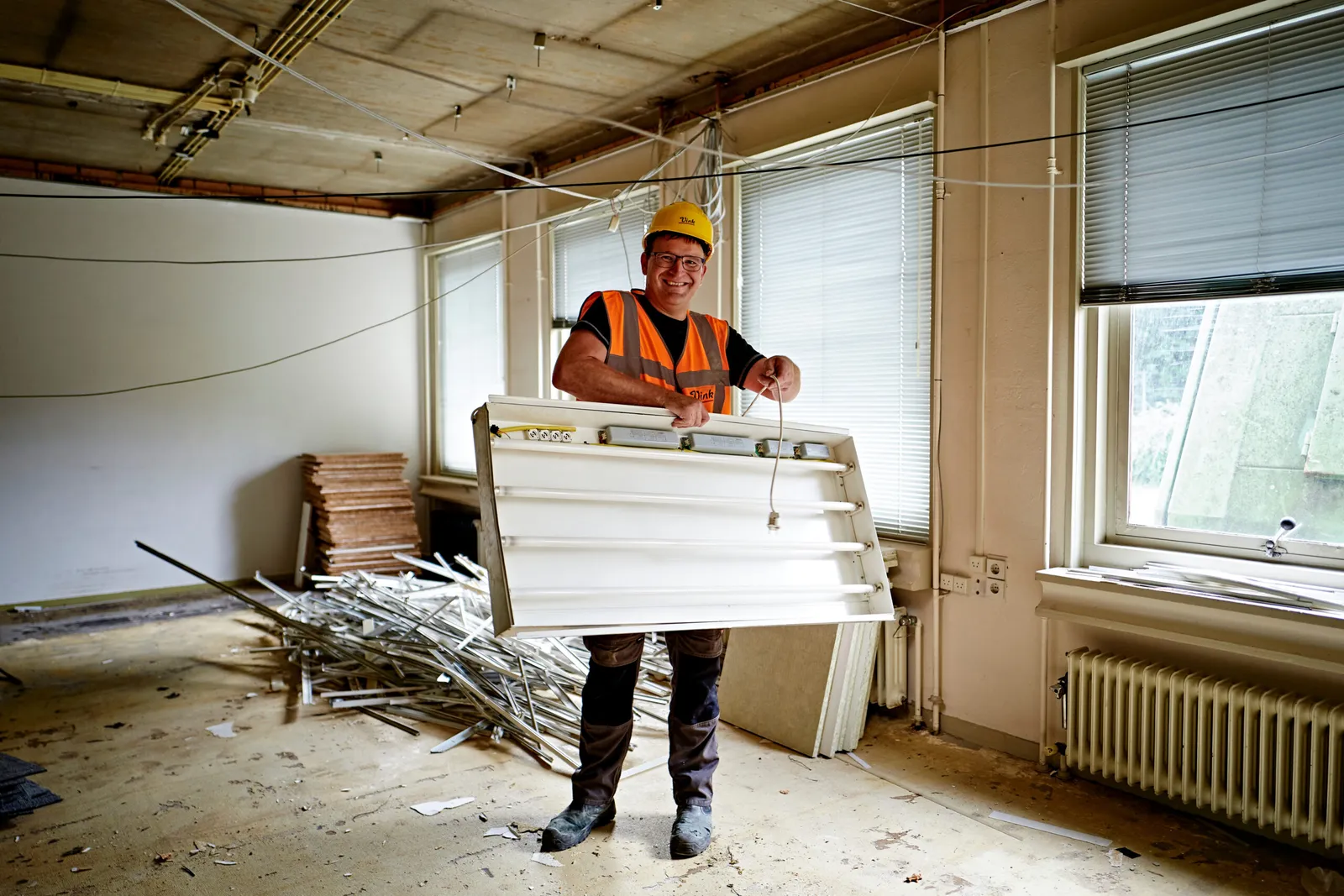
Large volumes of electrical waste are generated in the demolition sector. Stichting OPEN, known for Wecycle, organises its collection and recycling in the Netherlands. This helps preserve valuable raw materials and reduces the risk of waste fires. Best of all, collection is free. In fact, electrical waste has value, and Stichting OPEN will even arrange free collection. Hanneke Raaijmakers of Stichting OPEN explains how it works.
In the Netherlands, producers and importers are legally required to ensure that discarded electrical equipment is collected for reuse or high-quality recycling. Stichting OPEN fulfils this so-called producer responsibility for electrical appliances, lamps, solar panels, batteries and (e-bike) batteries. We do this through a nationwide network of more than 30,000 collection points, sorting facilities and recyclers. Under the Wecycle name, we run public campaigns to raise awareness among consumers and businesses.
What exactly is meant by electrical waste?
Essentially, anything with a cable or plug, or containing a battery or rechargeable battery. This includes power tools, switchgear and solar panels, for example. Appliances containing a lot of metal, such as light fittings, central heating boilers and air-conditioning units, also count as electrical waste.
Why is it important to collect electrical waste separately?
There are several reasons why it is wasteful to process discarded appliances incorrectly. To start with, some appliances may still work, so we always check first whether electrical equipment can be reused. If reuse is no longer an option, more than 80% of electrical appliances can be processed into new raw materials through high-quality recycling. When this is done by specialist recyclers, it benefits the environment because no pollution occurs. It also helps ensure the availability of critical raw materials, which are becoming increasingly difficult to obtain. Finally, it also contributes to greater safety.
And what about safety?
Processing electrical waste is not without risk, so it must be handled correctly. Batteries and rechargeable batteries, for example, pose a risk of waste fires. The entire sector must take responsibility by sorting and disposing of items correctly.
A lot of electrical waste from demolition work goes to metal recyclers that are not affiliated with Stichting OPEN. Why can that be a problem?
If electrical waste is sent as scrap metal to recyclers that are not affiliated with Stichting OPEN, responsible processing cannot be guaranteed. In practice, it is often difficult to identify and separate electrical waste there. As a result, electrical appliances, batteries and rechargeable batteries may end up in scrap destined for refining or shearing, creating a high risk of waste fires. Hazardous substances may also be released, and critical raw materials may be lost.
What is the difference with metal recyclers that are affiliated with Stichting OPEN?
Metal recyclers affiliated with Stichting OPEN know exactly how to handle electrical waste. They keep electrical waste, batteries and rechargeable batteries separate and receive payment for it. These recyclers ensure that discarded electronics, batteries and rechargeable batteries are sent to certified processors.
How can I tell whether a metal recycler is affiliated with Stichting OPEN?
These recyclers are often Wecycle collection points for businesses. You can check whether the metal recycler you work with is affiliated here: www.stichting-open.org/overzicht-metaalrecyclers/
When do you receive payment for electrical waste?
Stichting OPEN offers an incentive scheme for various types of electrical waste, including to construction and demolition waste sorters. To qualify, you must meet certain requirements, such as holding a specific environmental permit or CENELEC Type 1 certification. Businesses that meet the requirements can use an incentive scheme for sorting and separately disposing of electrical waste. This can earn them up to 225 euros per tonne, on top of the material value. Many construction and demolition waste sorters already hold an environmental permit for activities with an environmental impact and may qualify for this incentive scheme.
Is it true that you also collect electrical waste free of charge?
Yes. We aim to make things as easy as possible. If you have larger quantities of electrical waste, for example from a particular demolition project, we will collect it. This service is available from just 25 appliances. It saves demolition companies time and money!
Is there anything to bear in mind when returning appliances or arranging collection?
It is very important to send electrical waste for processing as complete appliances wherever possible. Do not dismantle, flatten, crush or cut off cables. The more complete the appliance, the better!
Find out more: www.wecyclevoorbedrijven.nl
Hanneke Raaijmakers is programme manager at Stichting OPEN, known for Wecycle, and has extensive experience managing complex change and collaboration projects. She focuses on improving the collection of discarded electrical appliances and batteries, and is responsible for implementing action plans to achieve this. Together with her team of project managers, relationship managers and data advisers, she works every day to engage all stakeholders in the electronics chain.

Question about this story? Ask your question
Keep following this
Get an email when a new story is published. No account needed.
- ThemeCircular construction and demolition
- SubjectBRBS Recycling