Fire safety starts with good sorting
Text Valérie CouplezImage Bebat
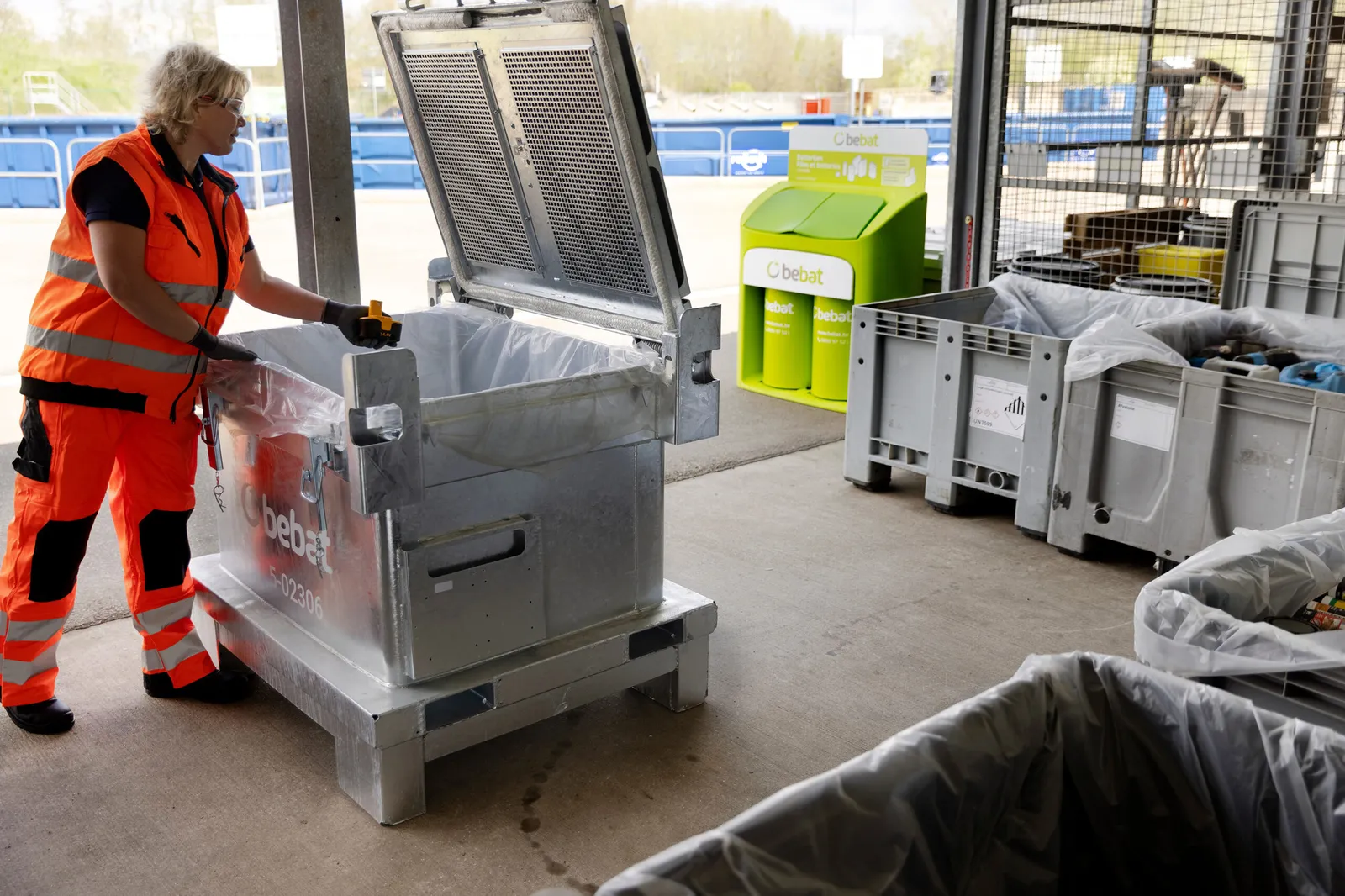
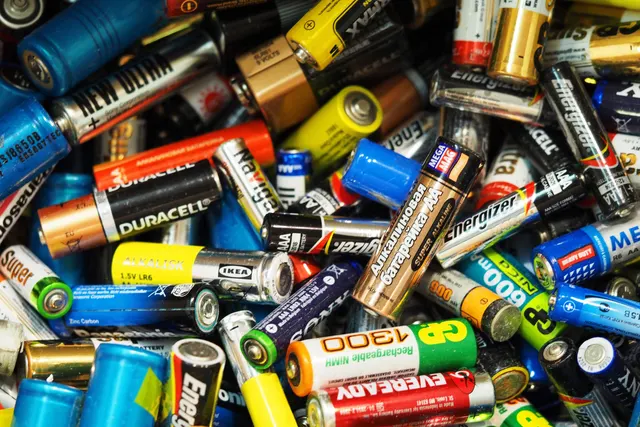
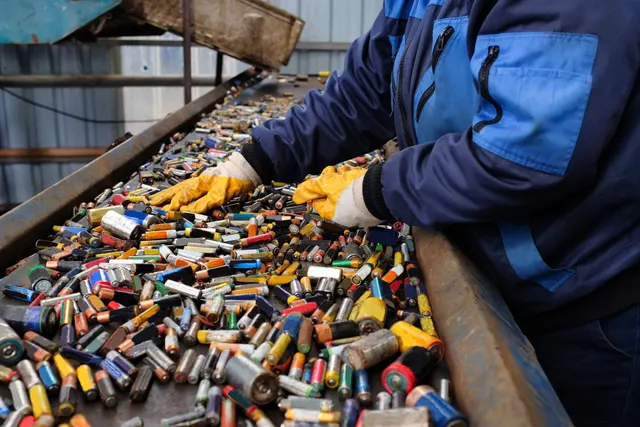
Lithium-ion batteries are in the eye of the storm. As they are used ever more widely, whether loose or built into electrical appliances, the risk of one ending up in the wrong waste stream is also increasing. But even a single incorrectly sorted battery in, for example, scrap metal can cause a fire at collection and processing facilities. Bebat is therefore continuing its awareness-raising efforts, while also supporting the scrap metal sector by sharing knowledge and providing fire-safe containers.
In ten years, the number of built-in lithium-ion batteries placed on the Belgian market each year has more than doubled, from 12 million in 2014 to 25 million today. Around 90% of these lithium-ion batteries are ‘hidden’ in electronic devices such as e-scooters and electric bicycles. Bebat corporate communication manager Fatima Boudjaoui says: “It is unfortunately easy to make a mistake. But during mechanical processes such as shredding, contaminants such as lithium-ion batteries, WEEE or nitrous oxide cylinders can cause a flash fire which, in combination with other combustible material, creates a fire hazard. This creates unsafe working conditions for the many people active in the sector and can damage the infrastructure of our recycling companies. It is also harmful to the environment, because valuable raw materials are lost.” Several smaller and larger fires have occurred in this way in recent years.
Become a collection point
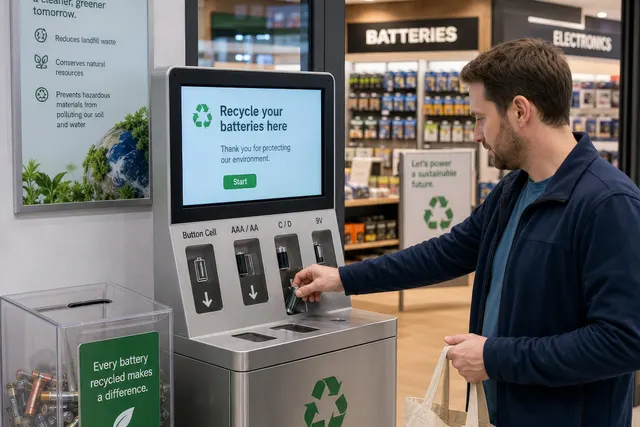
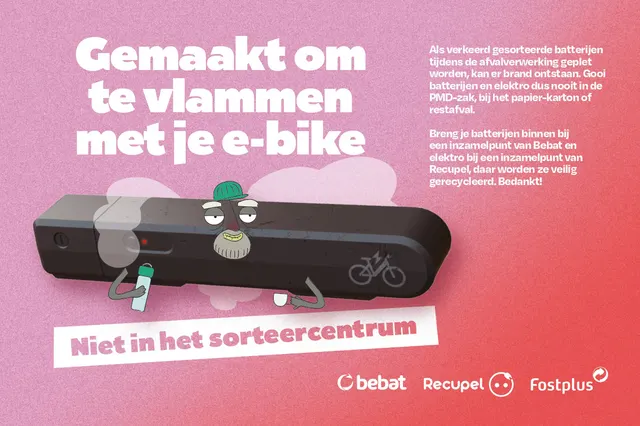
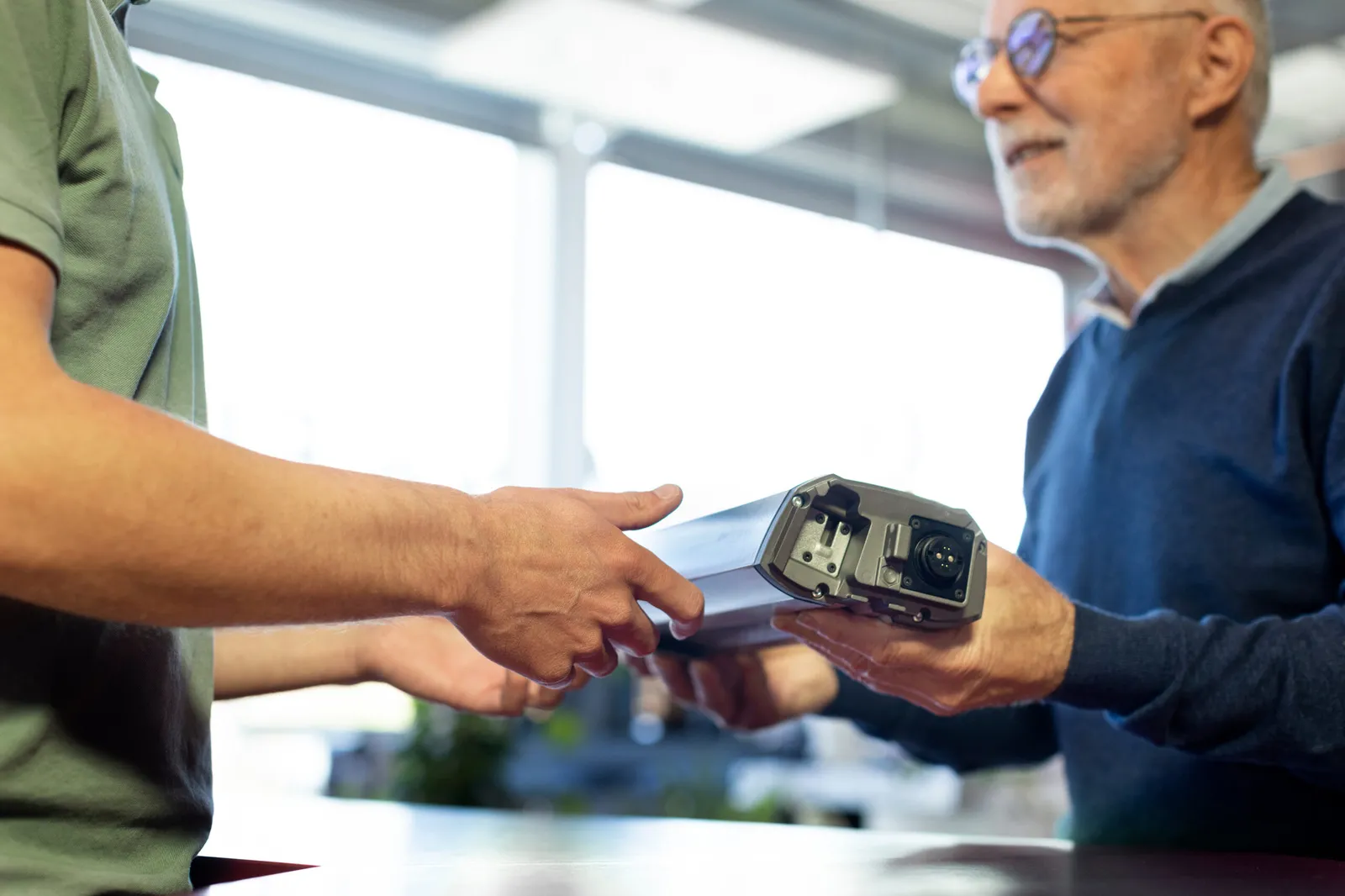
Bebat is therefore launching a new campaign from September, in collaboration with Recupel and Fost Plus. The message to consumers is clear: keep batteries and electrical appliances separate, and take them respectively to a Bebat or Recupel collection point. Every player in the chain has a clear responsibility to make things as safe as possible.” What else can recycling companies do to prevent fires? “For example, they can become a Bebat collection point. We currently have a close-knit network of almost 23,000 collection points in supermarkets, schools, shops, businesses and recycling parks (civic amenity sites), making it as easy as possible for consumers to sort their waste correctly. This approach works: at 4,366 tonnes in 2025, we are already meeting the collection rate set by Europe for 2027. Businesses account for almost 38% of the volumes collected. We provide recycling companies that are collection points with our own specially developed containers, so they can store the batteries they collect safely. We also collect them free of charge.”
Sharing knowledge
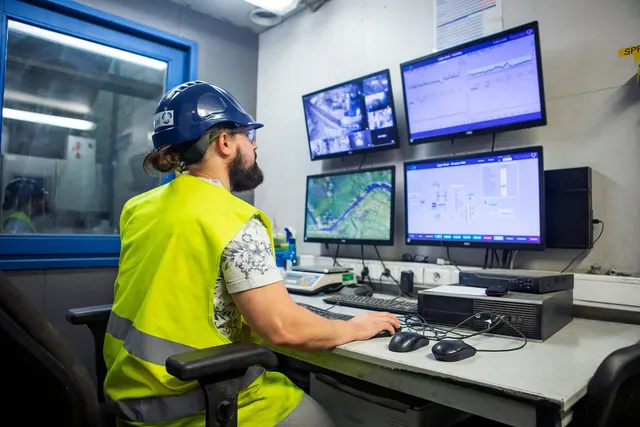
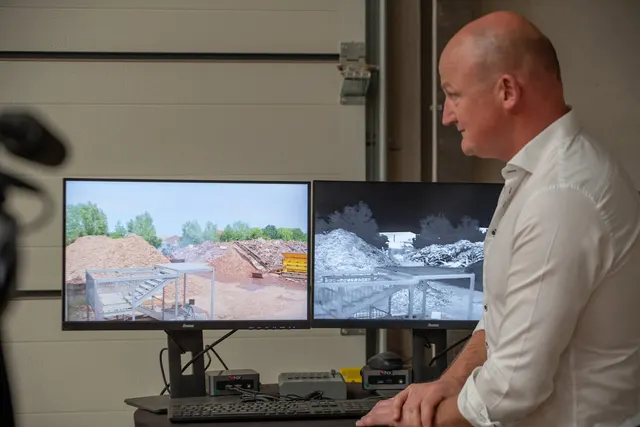
Bebat is also strongly committed to sharing knowledge. “We have been working with the fire service for years, and our Sortbat battery sorting centre has given us extensive hands-on experience. By sharing this knowledge, we help recycling companies raise awareness among their employees and suppliers. The better they understand the dangers, the more batteries we can keep out of the wrong recycling streams. We do this by providing communication materials, as well as by launching our own campaigns. For example, at the end of 2024 we raised awareness of this issue and shared additional safety tips, together with Comet, Galloo and Denuo, the Belgian recycling industry federation, among others. Alongside prevention through strict checks on incoming material, it is also important to be able to respond quickly. In recent years, recycling companies have therefore invested heavily in fire detection cameras, sometimes linked to firefighting systems such as sprinklers. For lithium-ion batteries in particular, it is important to be able to submerge them to stop the chain reactions inside the battery,” Boudjaoui concludes.
Een zakelijke vraag aan Bebat vzw? Get in touch
Companies in this story
Keep following this
Get an email when a new story is published. No account needed.
- ThemeCircular processing of electronics and batteries
- SubjectFire safety
- CompanyBebat vzw
- CompanyRecupel