New routes to sustainable plastics: the Circular Plastics Round Table takes the lead
Text and images Van Werven
There is rarely a shortage of good intentions when it comes to plastic recycling. To increase the use of recycled plastic and reduce the environmental impact of plastics in general, the Dutch government recently proposed a mandatory recycled content requirement and a plastics levy. The former was intended to force companies to use a certain percentage of recycled plastic in their products, while the plastics levy was intended to discourage the use of virgin fossil-based plastic.
Unfortunately, the feasibility and cost of the measures soon became the subject of debate and controversy within the plastics industry. Implementing the mandatory recycled content requirement would be expensive and complex, while the plastics levy would increase costs for businesses and consumers. In the face of sustained opposition, both measures were eventually scrapped. The European sustainability goals, reducing CO2 emissions by 2 million tonnes by 2030 and promoting the circular economy, preferably by increasing the volume of circular plastics, remain in place.
Considering how to increase circularity
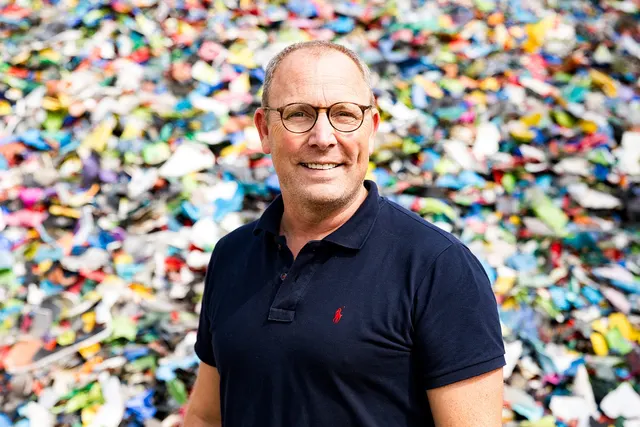
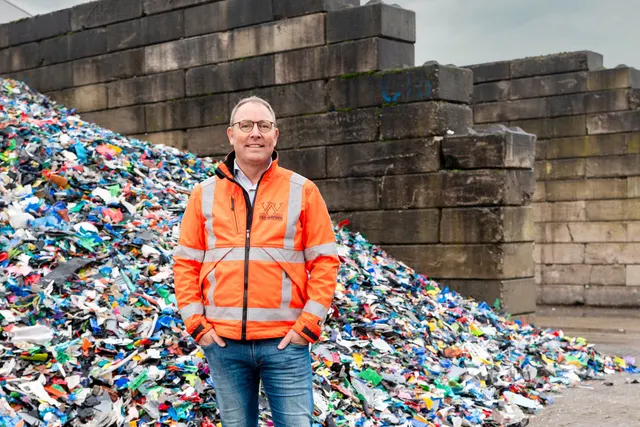
Since the measures were ‘dropped’, the Circular Plastics Round Table has been exploring new ways to increase circularity across the plastics value chain. Led by its chair, Steven van Eijck, the special envoy for the circular economy appointed by the government, the Round Table is working to reduce the incineration of recyclable waste, increase the use of recycled content in sustainable products, and develop a market for those products. This is made all the more challenging by fierce competition from virgin plastics produced in countries such as China and the United States. At Van Werven Plastic Recycling, we are actively contributing to the debate. In our view, the solution lies above all in mandatory regulations on the use of recycled content, ensuring that the entire plastics value chain has to play its part. Our experience shows that investing in technologies that make plastic recycling more efficient pays off. This not only reduces costs and increases recycling rates, but also improves the quality of recycled material, making companies more likely to use it in their products.
Encouraging sustainable behaviour
We have no doubt about consumers’ good intentions, but it is crucial that the government supports them in their purchasing and consumption choices. In this regard, we would like to see more education and awareness campaigns encouraging people to use more recycled plastic and sort their waste more effectively. More sustainable behaviour of this kind, both in shops and at home, will further increase demand for recycled plastic.
A solution is needed quickly
Whichever way forward the Circular Plastics Round Table chooses, it needs to act quickly. Without a solution, the CO2 levy on waste-to-energy plants and the waste tax will continue to rise. These measures are intended to shore up government revenues, but they actually discourage the use of recycled material. Plastic recyclers and the public can scarcely withstand another blow. This is therefore the Round Table’s chance to set a new standard and show that the industry can take responsibility for itself. This is not primarily about money, but about an environmentally friendly and sustainable plastics industry.
Which solution or solutions do you see as most promising for the future of plastic recycling?
Een zakelijke vraag aan Van Werven plastic recycling? Get in touch
Companies in this story
Keep following this
Get an email when a new story is published. No account needed.
- ThemeMaking plastics and packaging circular
- SubjectVan Werven
- CompanyVan Werven plastic recycling