












Why a deposit return system for batteries is a bad idea
Text Valérie CouplezImage iStock
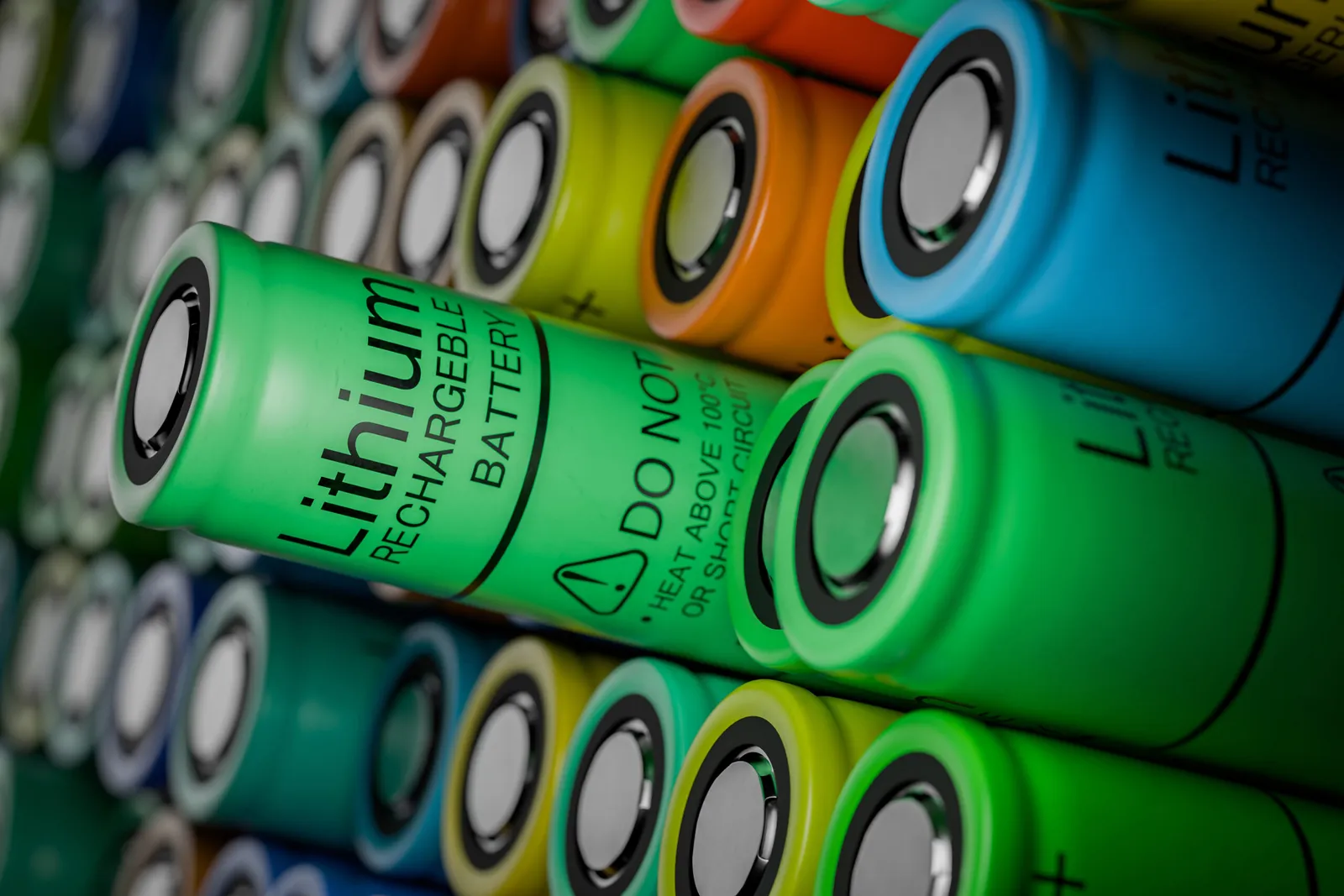
Where there are pros, there are cons. According to Bebat, a deposit return system for batteries will not have the desired effect. The Belgian EPR management organisation points to the performance of the system currently in place. 90% of batteries available for collection end up at a Bebat collection point. This makes it the first and perhaps only country to meet the European collection target of 63% in 2025. Introducing a deposit return system risks undermining these results. The European federation Eucobat also shares this view.
In Belgium, just one battery is still found in every 100 kg of household waste. An excellent result, but even that one battery can have serious consequences. So could introducing a deposit return system improve fire safety? Bebat is unequivocal: this is not a suitable policy instrument. It gives six reasons.
Drastic reduction in the collection network
Bebat has around 23,000 collection points in Belgium, with an average of one collection point per 500 residents and a maximum distance of 400 metres for consumers. This dense collection network is a key factor behind the strong collection results. A deposit return system for batteries requires separate collection and the ability to refund the deposit. Many existing collection points, such as recycling centres, schools, certain businesses and local authorities, as well as libraries and administrative offices, do not have this facility and would therefore no longer be able to serve as collection points. Moreover, most lithium-ion batteries from consumers are collected through recycling centres. The collection network would therefore be more than halved, directly affecting collection results.
Increased safety risks from unqualified removal
94% of lithium-ion batteries are built in. These batteries are integrated into the design of the device, are not visible or easily accessible to the user, and are not designed to be safely removed by consumers themselves. A deposit return system also creates a financial incentive for unqualified removal, significantly increasing the risk of fire, injury and property damage. Given the long service life of these batteries, the EU requirement for batteries to be easily removable will only have an effect in the medium to long term (8-10 years). To prevent unqualified removal of lithium-ion batteries, deposits would also have to be introduced for devices containing lithium-ion batteries. The number of small electrical and electronic equipment collection points able to handle deposits is even more limited.

Incompatible with battery life cycles
Deposit return systems are designed for products with a fast turnover. Lithium-ion batteries, however, remain in circulation for an average of 8 to 10 years. They are also often reused or incorporated into other applications, which can extend their total service life to 15 to 20 years. Tying up deposits for such a long time is economically inefficient, administratively complex and difficult to monitor, particularly when batteries are used across borders, sold on the second-hand market or exported.
Major operational impact and resistance from retailers
A deposit return system would mean that the retail sector would have to:
- identify and sort batteries;
- provide additional collection infrastructure;
- train staff;
- bear the cost of refunding deposits;
- and take on additional administrative work.
This is meeting with strong resistance in the retail sector, as Comeos also previously noted in relation to deposits on drinks packaging. There is a real risk that retailers will withdraw as collection points, further weakening the collection network.
Less convenient for consumers
Requiring consumers to return lithium-ion batteries and other battery streams separately creates more friction and makes the system less convenient. This will also have a negative effect on collection results: the more difficult it is for consumers, the more likely they are to dispose of batteries in general waste.
Deposit value and fraud
Lithium-ion batteries and devices with built-in lithium-ion batteries have a high retail price. A high deposit would therefore be needed to influence behaviour for products with a built-in battery that is often not visible. The higher the deposit, the greater the risk of fraud. This would prompt imports of discarded batteries and devices to claim deposits, not only from within Europe but also from outside it. Vandalism by ‘deposit hunters’ would increase, with collection units containing devices and batteries already collected being broken into, creating significant safety risks for people and the environment.
Question about this story? Ask your question
Companies in this story

Keep following this
Get an email when a new story is published. No account needed.
- ThemeCircular processing of electronics and batteries
- SubjectNews
- CompanyBebat vzw







