How can we save textile recycling companies?
Text Valérie CouplezImage iStock
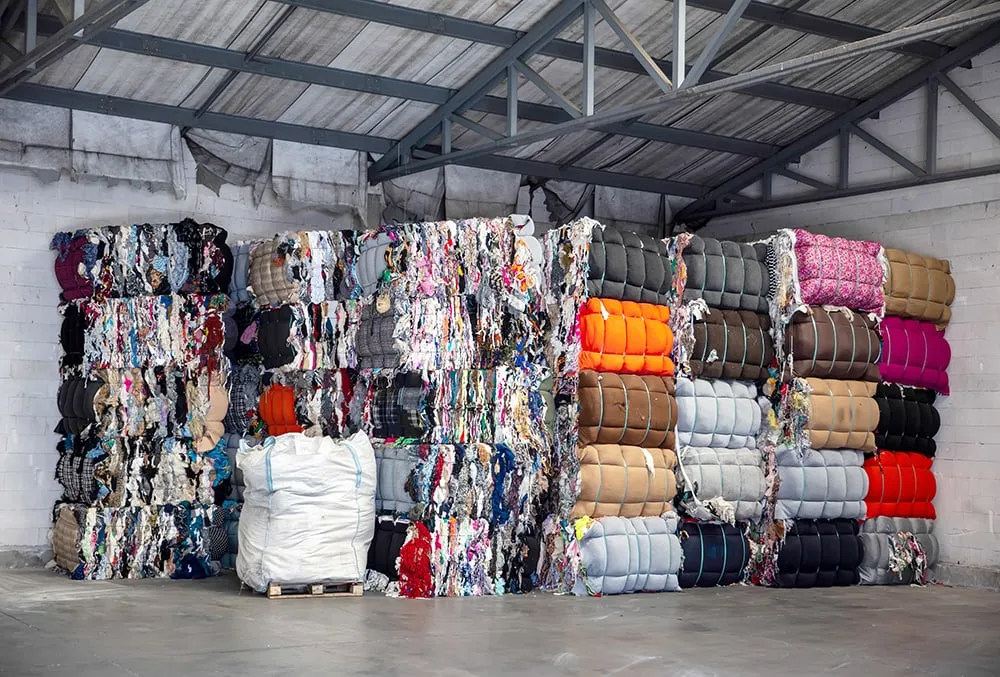
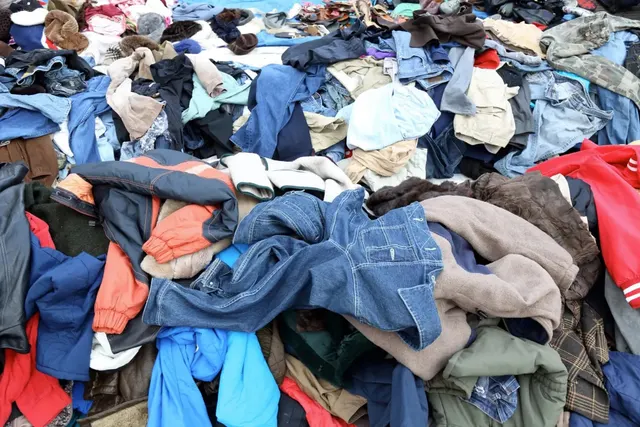
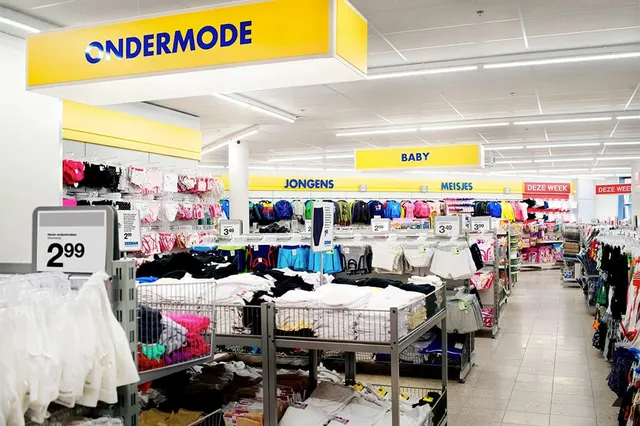
The productivity of our textile recycling companies is coming under increasing pressure. The (ultra-)fast fashion sold by online retailers such as Shein and Temu is taking the world by storm, at the expense of the second-hand market. Literally: in recent months, prices for second-hand clothing exports have fallen by more than 50%. Since these export prices fund the collection and sorting of discarded textiles, textile recovery is suffering badly.
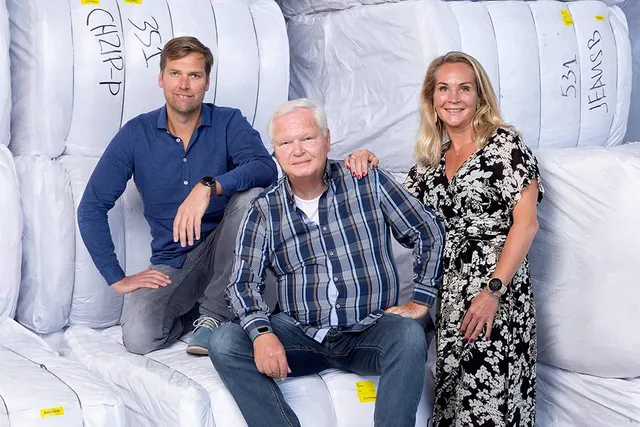
Textile recycling has entered a downward spiral. The first companies have already gone under. Dutch company Ada Textiel Recycling had to close its doors in June. Textile recycling companies in Belgium are feeling the effects too. “The world is being flooded with cheap Chinese textiles,” Dimitri Bohez, managing director of Limbotex, told Het Belang van Limburg. The company, based in Peer, empties more than half of the clothing banks in Limburg. “Some markets have dried up, and certain items that we used to sell easily are now sitting in stock. We used to have no trouble selling shorts, tops and women’s dresses in Africa, but now we’re left with them. Our turnover has fallen by 20 to 30%. It is difficult to compete because the new clothes offered by giants such as Shein and Temu are barely more expensive than second-hand clothing.”
Quality is declining
The textile recycling market is also being hit twice over. The quality of these ‘new’ new clothes is commensurate with their prices: extremely low. As a result, many items that end up in clothing banks are no longer suitable for reuse, even though the recycling industry relies on reuse for the bulk of its income, which funds the rest of its activities. According to figures from the Flemish Circular Economy Monitor, 5.4% of collected textiles were sold or reused in Flanders in 2022. A further 29.1% found a second life outside Flanders. The rest, around 65%, went for recycling or incineration. Over the past six months, second-hand prices have fallen by an average of 45%, and by as much as 70% for some items.
EPR schemes could provide relief
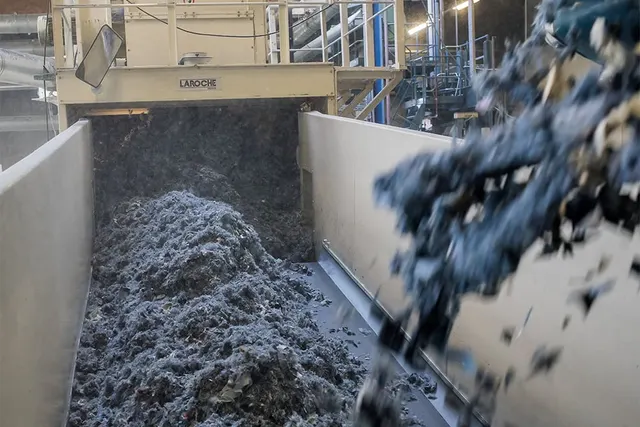
The entire system will have to be overhauled to give textile recycling companies room to breathe again. Bohez is calling for EPR schemes. “The situation is putting enormous pressure on our business. This is a labour-intensive sector with a lot of manual work. We cannot keep going like this for months. Europe is keeping a very close eye on second-hand textiles being exported. Fortunately, it is now also realising that stricter controls are needed on textiles entering Europe. For example, you could make producers responsible for their own waste.” Work is indeed under way behind the scenes. “In Flanders, we are currently preparing such an extended producer responsibility scheme, with objectives including more local reuse, the establishment of recycling facilities and greater use of recycled content in new textiles,” waste agency OVAM confirmed to Het Belang van Limburg.
Getting paid instead of paying
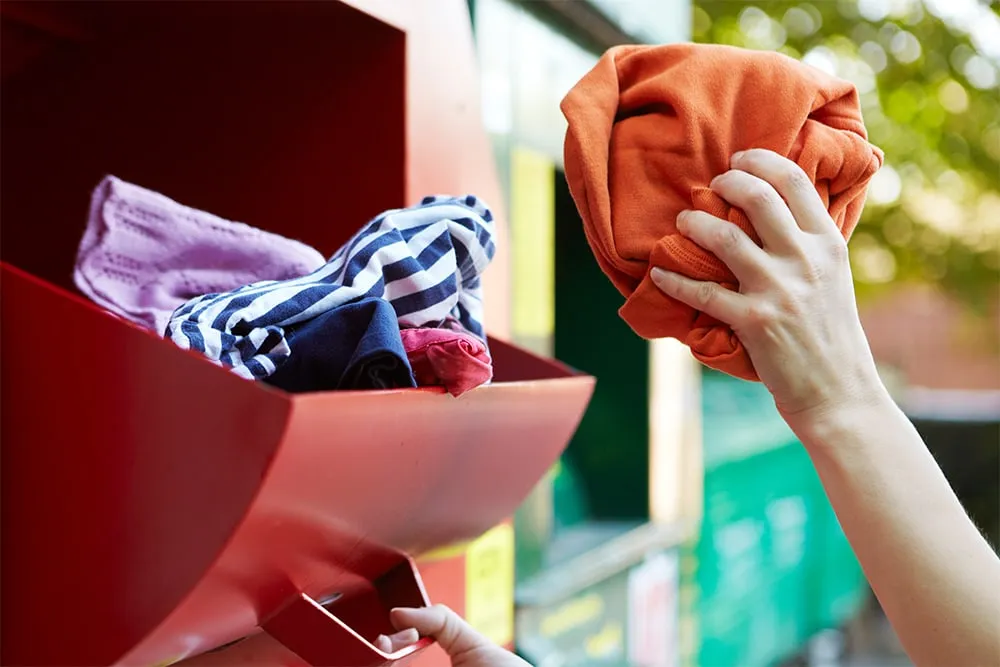
Collection will also have to be organised differently. Textile recycling companies currently pay municipalities for permission to place a clothing bank. In future, this will have to work the other way round, with companies being paid to take the clothes off municipalities’ hands. The prices charged by municipalities are already falling, at least. Has the tide turned?
Question about this story? Ask your question
Companies in this story

Keep following this
Get an email when a new story is published. No account needed.
- ThemeMaking use of textiles and other waste streams
- SubjectTextile waste
- CompanyOVAM