Building Materials Agreement gets off the ground
On 5 November 2025, a large number of parties signed the Building Materials Agreement. The agreement aims to promote the sustainability of the building materials industry and reduce dependence on other, non-European countries. Implementation is now getting under way, guided by roadmaps for materials supply chains.
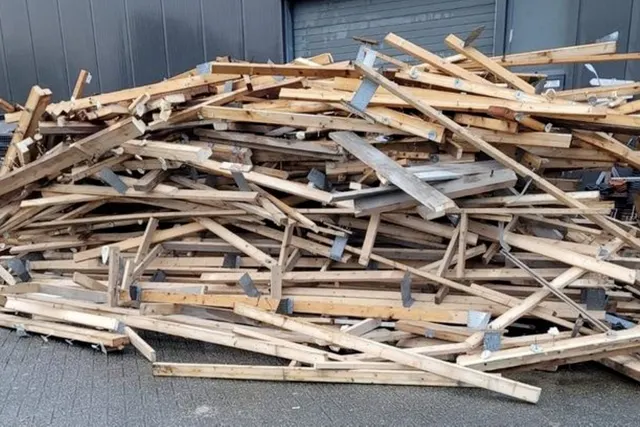
The roadmaps set out a broad range of developments, with measures tailored to each materials supply chain. For some, the focus is on reusing products; for others, it is on achieving cleaner production processes and/or using a higher proportion of recycled material. For PUR/PIR insulation boards, for example, work is under way to establish a circular hub where boards from demolition and renovation projects can be collected and, where possible, made suitable for re-entry into the market. For ceramic materials (bricks), reducing material use is a key priority, and this also makes a significant contribution to cleaner production. For plasterboard, there are opportunities to increase the recycled content. Electrification is a prominent part of the roadmap for glass wool, among others. For timber, work is also under way to explore how wood products can be manufactured for disassembly. This is important for future reuse and to ensure long-term CO2 storage.
Improving the conditions for sustainability
Alongside the roadmaps, studies are being carried out to improve the conditions for making the building materials industry more sustainable. One area under investigation is whether more uniform criteria in public-sector procurement can reduce the administrative burden on the market. There is strong support for setting sustainability requirements, but they need to be predictable, both over time and from one contract to another. This would allow supply chains to invest in their own transition in a more targeted way and with less risk. Improving security of supply also requires ensuring that sufficient secondary raw materials are available. Several studies address this. First, waste legislation and its enforcement are being examined. What opportunities and obstacles does this present? Second, experience gained through the Building Materials Agreement is being used to explore raising the minimum standard in the Circular Materials Plan. Many of the roadmaps also highlight the importance of properly sorting secondary raw materials during the dismantling and renovation of buildings. Only then will these materials truly be suitable for reuse and recycling in the building materials industry. The transition also requires investment, which currently carries a high degree of uncertainty about financial returns. For this reason, a fourth area of study looks at where the financial barriers lie and which financial incentives could effectively improve security of supply and environmental performance.
Involvement
The Building Materials Agreement is supported by three ministries (BZK/VRO, IenW and EZK/KGG), fourteen organisations representing materials supply chains, and seven trade associations representing other parties across the wider construction sector. These trade associations are crucial in helping materials supply chains become more sustainable, and the relationship is reciprocal. BRBS Recycling is one of these trade associations, and the points above alone make clear how important this involvement is. Together with, among others, the members of VERAS (the trade association for dismantling companies), BRBS Recycling’s members are crucial to supplying secondary raw materials that are genuinely suitable for reuse. The Building Materials Agreement can also help ensure that there is a strong market for these materials. We are sometimes critical of the Netherlands’ ability to bring about real change. However, the Building Materials Agreement has everything it takes to show that things can be done differently. I saw the parties work closely together for several years to bring this agreement about, first as a ‘supporter’ representing the Circular Construction Economy Transition Team. That alone shows how motivated the parties are to shape the sustainability transition together. Being able to witness its implementation now as chair is one of the greatest gifts of my career.
Question about this story? Ask your question
Keep following this
Get an email when a new story is published. No account needed.
- ThemeCircular construction and demolition
- SubjectBRBS Recycling