












Rematics maps sorting quality, contamination and risks faster
Text Kris VandekerckhoveImage Rematics
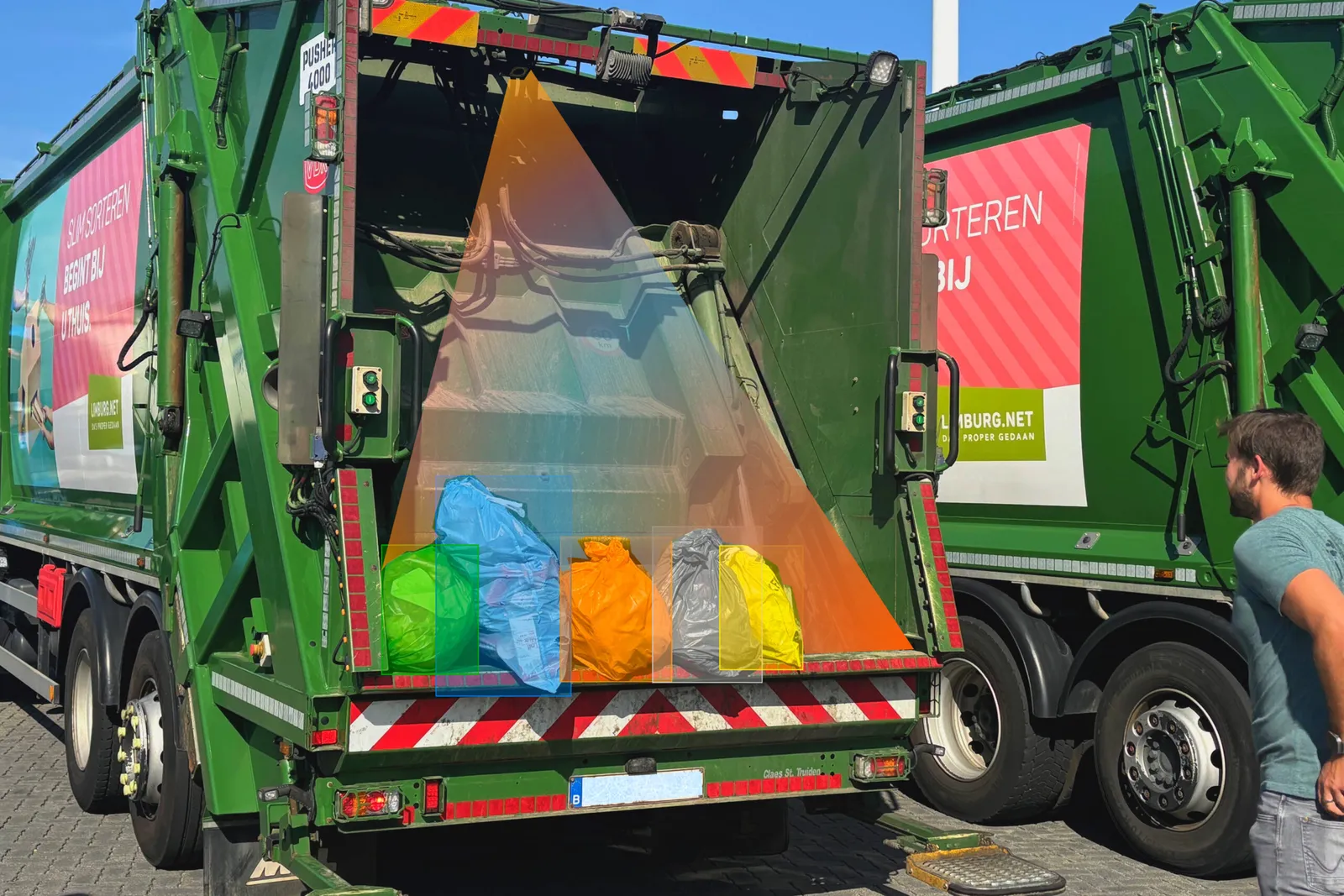
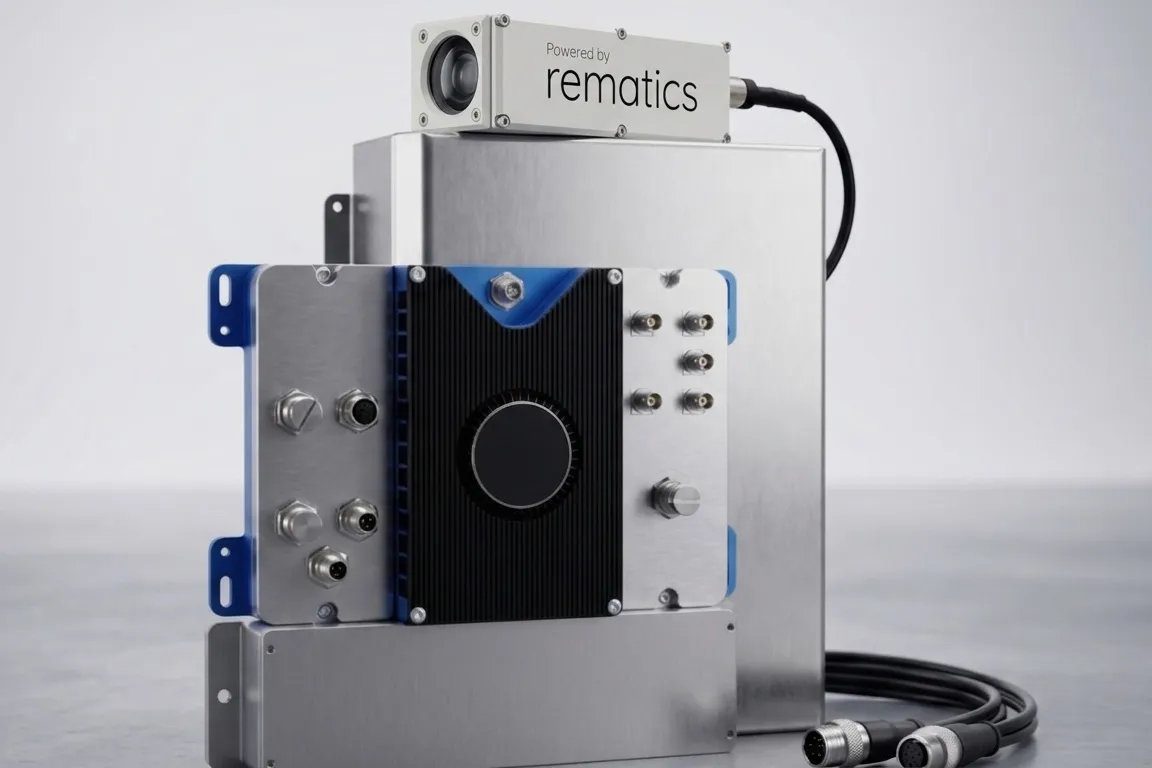
With D4T (Daisy4Truck), Rematics brings artificial intelligence directly to the refuse truck. The integrated solution combines cameras, rugged edge hardware, AI and cloud technology to provide real-time insight into sorting quality, contamination and potential risks in waste streams during collection.
The technology is already being used by several players in the waste and recycling sector, including Limburg.net, Gielen Recycling, Afval Alternatief, Remondis and MilieuService NL.
Real-time visibility of waste streams
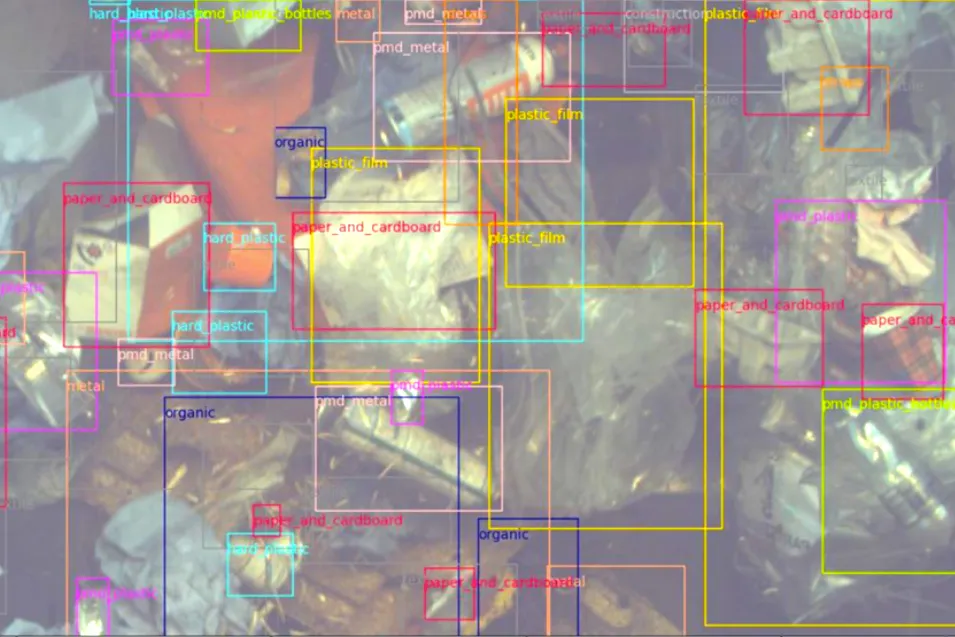
D4T analyses waste at the point of collection. Cameras continuously record the materials collected during each emptying at 30 to 40 frames per second, while AI models identify more than 30 different waste fractions. The system also detects hazardous materials such as batteries, gas cylinders and fire extinguishers, and can issue real-time alerts. “With D4T, we collect waste data at the point when it is most valuable: during collection itself,” says Bram Peetermans, CEO of Rematics. “A refuse truck passes hundreds of collection points every day. By making these vehicles smart, you gain insights that were previously difficult or even impossible to collect.”
Limburg.net’s Optimo as a real-world case study
The application is particularly relevant for Optimo. Under this system, residents sort their waste into bags of different colours, which are collected together by a single refuse truck and subsequently sorted optically. The aim is to reduce transport kilometres and operate more efficiently. Installing D4T on the collection vehicles provides a clearer picture of the collected streams and their quality while the route is still under way. Cameras and AI analyse the material as it is emptied. “For us, AI is not about technology for its own sake,” says Peetermans. “The question is always: what concrete information does it provide for all types of collectors, from intermunicipal organisations to private operators, and recycling partners? If you have a better understanding of where contamination occurs or what risks a waste stream contains, you can take more targeted action.”
Technology for day-to-day operations
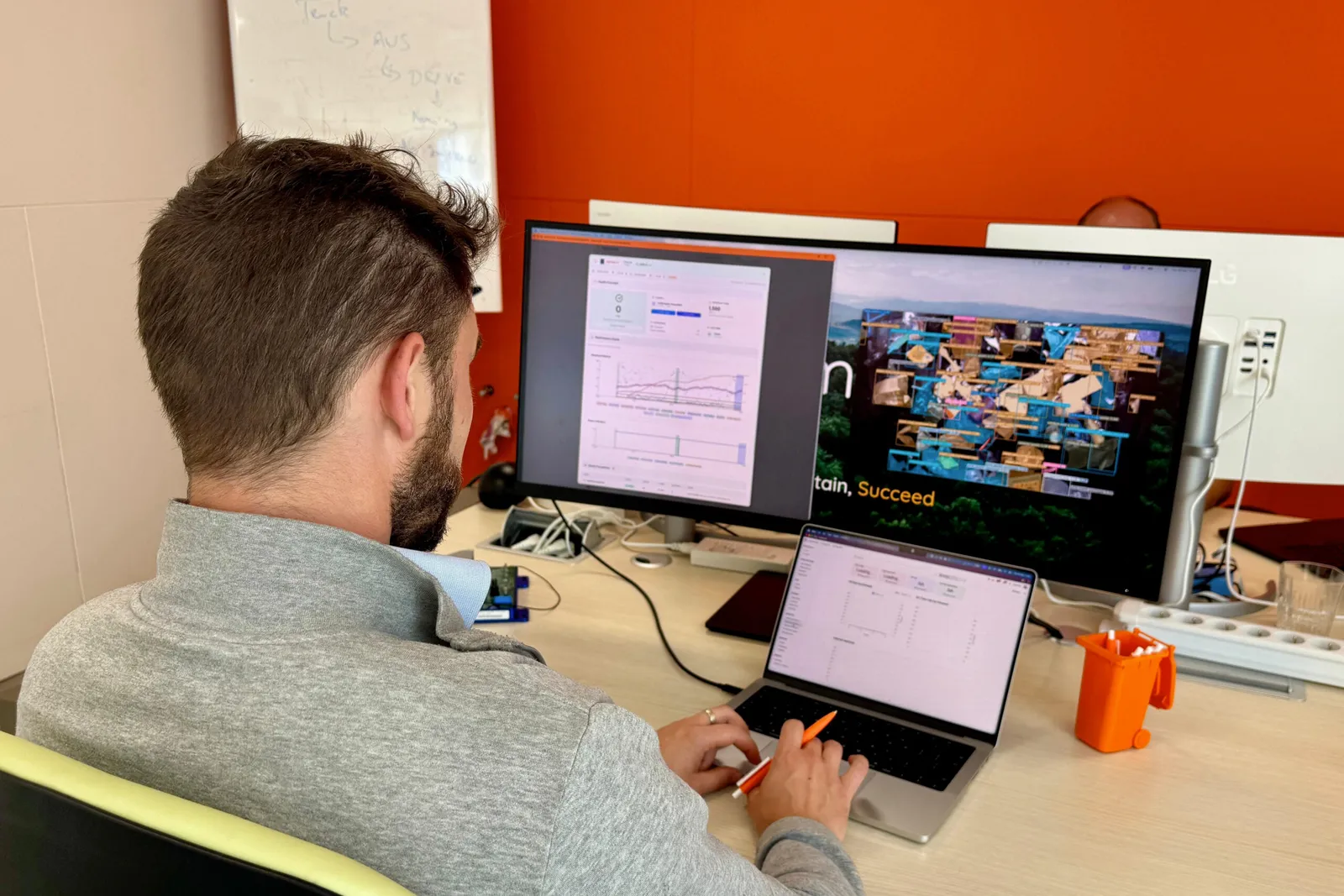
Rematics places a strong emphasis on rugged hardware. D4T is designed for demanding environments such as collection vehicles, transfer sites and incinerators. The system uses industrial cameras, tailored lighting and 4G/5G and Wi-Fi connectivity, and can be installed quickly. The data collected is brought together in the Daisy platform environment. There, waste companies can identify trends, monitor their fleet in real time, view insights for each emptying and consult interactive maps … “A refuse truck becomes a data platform,” says Peetermans. “That does not mean the driver suddenly has extra work. On the contrary, the technology should run in the background and provide insights that help the organisation work more intelligently.”
Data as a lever for better recycling
D4T’s strength lies in its independence from the collection system. Whether it is coloured bags, individual bins or large containers for commercial waste, the AI identifies the fractions and risks. Gielen Recycling’s new compaction vehicles are also equipped with D4T. This enables automatic detection of contamination in the waste stream, provides photos as evidence for customers when waste has been incorrectly sorted, and gives a complete overview of what is actually collected, in both the short and long term. The aim is to gain greater insight into waste collection, automate visual checks, enable more transparent invoicing and, above all, improve recycling. “The waste sector faces major challenges: higher recycling rates, less contamination and more efficient operations,” Peetermans concludes. “Our ambition is to use D4T to provide data that is already helping to address those challenges in practical ways.”
Een zakelijke vraag aan Rematics? Get in touch
Companies in this story
Keep following this
Get an email when a new story is published. No account needed.
- ThemeImproving waste collection and transport
- SubjectNews
- CompanyRematics







