












Textiles at a tipping point
Text Kris VandekerckhoveImage Leonie Snauwaert
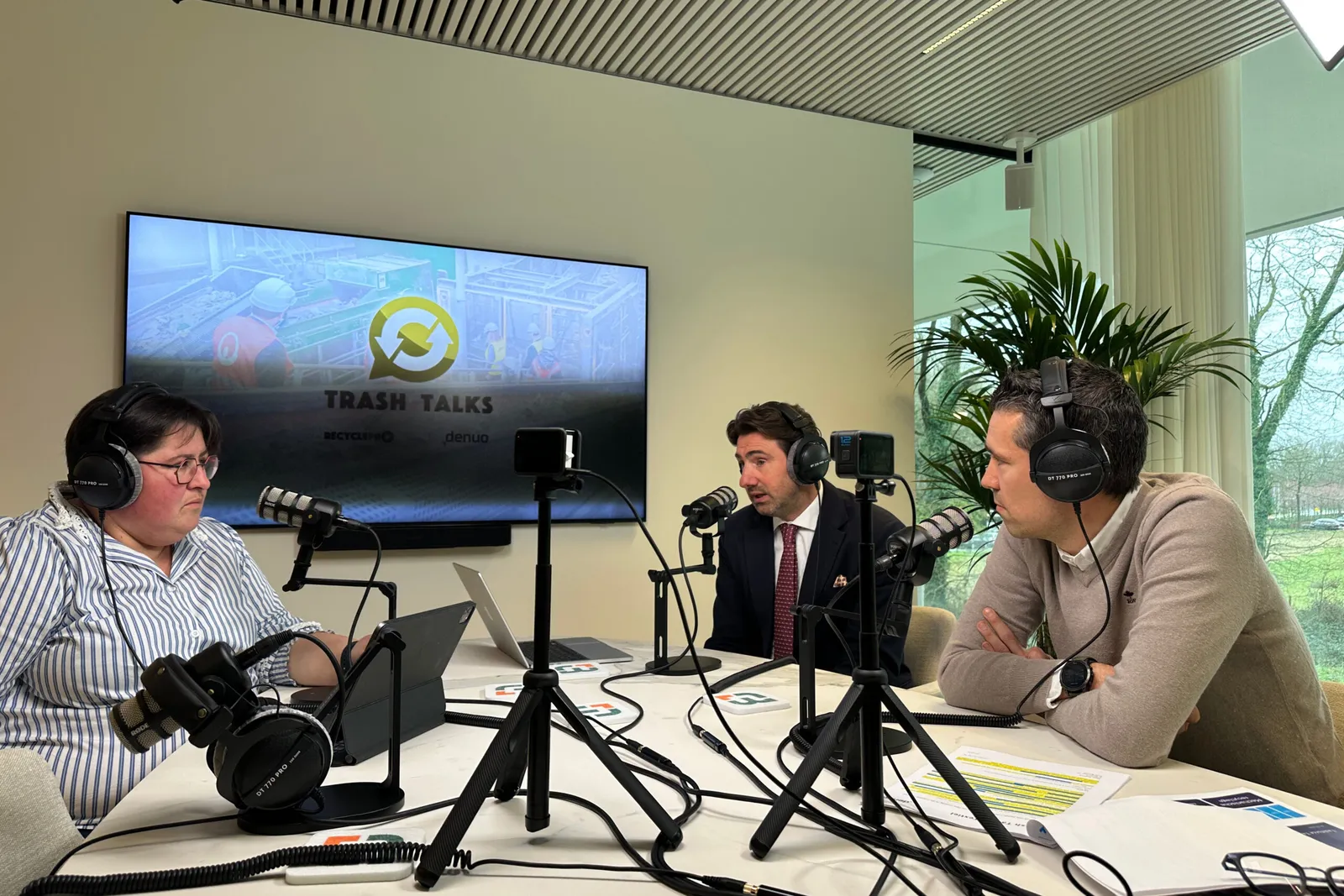
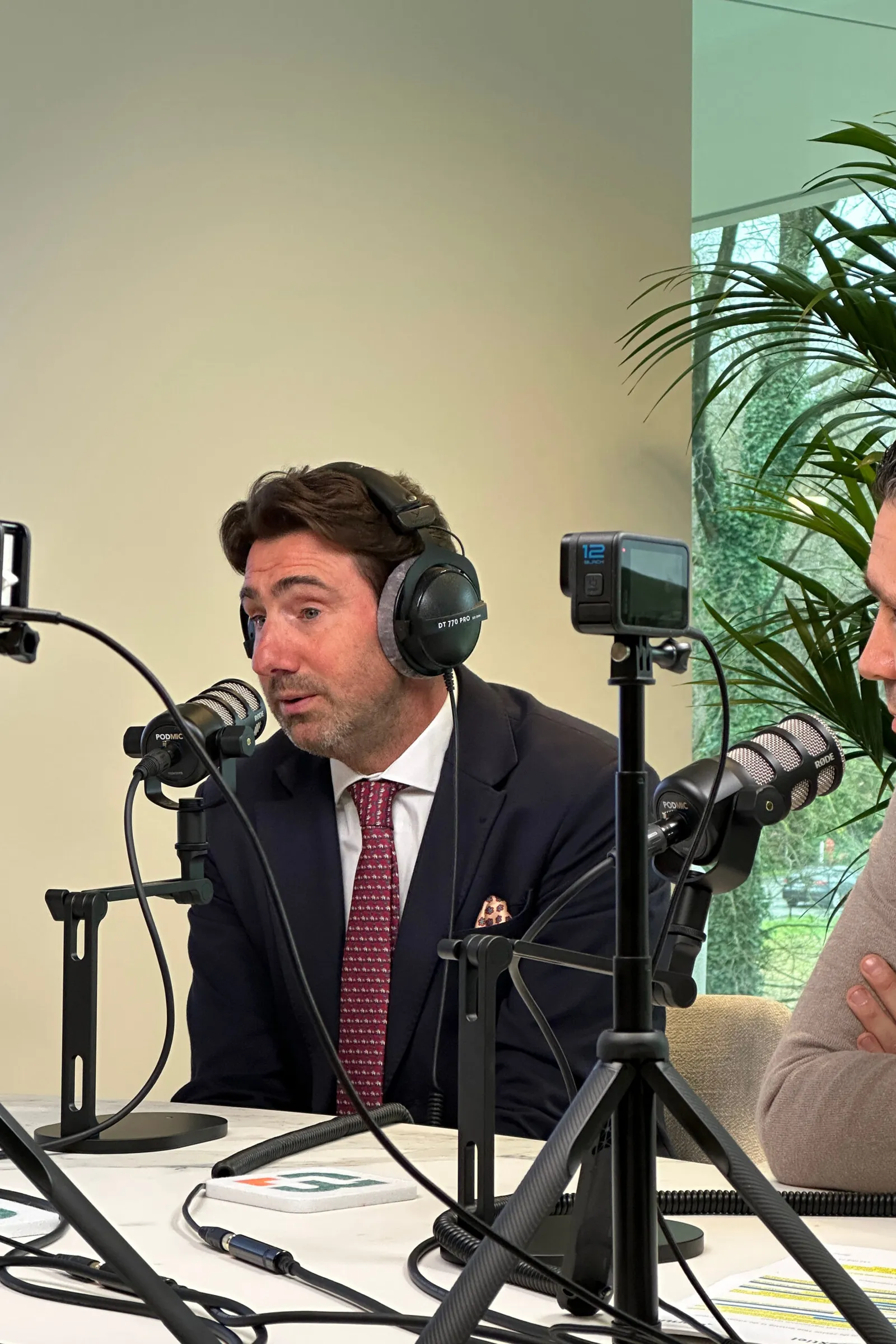
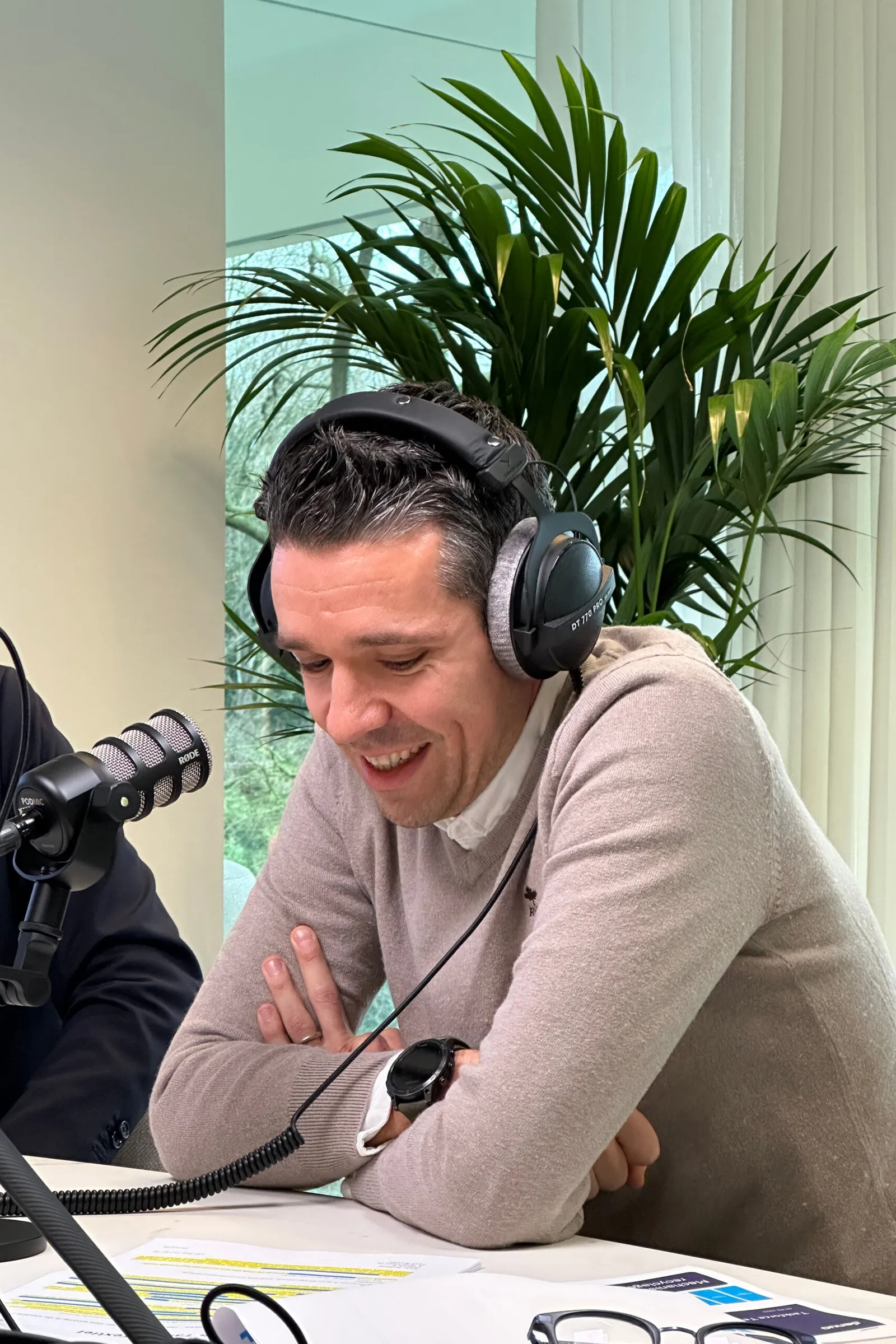
The textile chain is under severe pressure. The volumes of discarded textiles are rising year on year, while the quality of some of this material is declining and high-quality recycling has yet to be scaled up sufficiently. Yet, according to the guests on the third episode of Trash Talks, the textile crisis is about much more than waste. The real challenge lies across the entire chain: from design and production to collection, sorting, reuse and recycling. In conversation with host Nele Roobrouck, Frederik Bal of Vlaams Inzamelcentrum Textiel and Koen Tengrootenhuysen of Decathlon and Retexbel explain where the pressure points are today, and where the opportunities lie.
Bal sees the growing volume of textiles in practice every day. A few years ago, around 5 to 6 kg of textiles per inhabitant was collected. Today, the figure is already 8 to 10 kg. He says these rising volumes come as no surprise. Consumers buy more textiles and clear out their wardrobes more often. The collection sector then has to process these goods. What is striking, however, is that the additional volumes are often of lower quality. The share of top-quality items remains relatively stable, but the extra material increasingly consists of textiles that are no longer directly reusable and therefore need to be recycled. This adds to the pressure on sorters and processors.
The persistent misconception about incineration
Bal also wants to dispel a number of persistent misconceptions. Public debate often suggests that most collected textiles end up in incinerators. In his view, that picture is inaccurate. Around 70% of the textiles collected by his organisation in Flanders can be reused. Another 20 to 30% is largely channelled into recycling applications. Only material that is heavily contaminated or does not belong in textile containers is sent for energy recovery. “A regular sector that collects correctly and sorts in fine detail will, in principle, incinerate zero per cent of the accepted textile stream.” Bal says professional collection, combined with recognised sorting centres that sort materials into dozens or even hundreds of fractions, is essential to achieving these results.
Not a waste problem, but a chain problem
Tengrootenhuysen is also clear that the textile crisis cannot be viewed solely as a waste problem. In his view, the root of the issue lies in oversupply, an uneven international playing field and products that are rarely designed with circularity in mind. Digitalisation and e-commerce have fundamentally changed the market. Ordering clothes is easier and faster than ever, so volumes continue to rise. At the same time, the sector is still not structurally equipped to deal with this. This puts pressure on every link in the chain: collectors, sorters, recyclers, producers and governments.
Free collection remains crucial
Both speakers say a well-developed collection network remains an absolute prerequisite for circularity. Textile containers play a key role in this. If local authorities invest less in accessible collection, more textiles risk ending up in residual waste. In their view, free collection does not encourage overconsumption, but it does prevent valuable resources from being lost. Without accessible collection options, reusable and recyclable material is much more likely to end up in incineration.
Recycling runs up against product design
Once collection is complete, the real tailoring begins. At sorting centres, every item is assessed individually for its potential for reuse or recycling. This is where it becomes clear just how difficult textiles are to process today. Many products are made from blended fibres, elastane, coatings, buttons, zips and multiple layers of material. Such combinations make recycling particularly complex. Fibre-to-fibre recycling, in particular, is still in its infancy. Today, only a small proportion of the textile stream is actually turned back into new textile fibres. Nevertheless, both guests see a future in it. Technology is evolving rapidly and companies are investing heavily in innovation. Artificial intelligence could also help, for example by identifying fibre compositions more quickly and accurately during sorting. “I’d be happy to see that 1% fibre-to-fibre figure multiplied by ten,” says Tengrootenhuysen. “That’s the ambition.”
EPR as a turning point
Both interviewees see the forthcoming extended producer responsibility (EPR) scheme as an important turning point. Producers will take on more responsibility for what happens to textiles at the end of their life. This could accelerate the shift to a more circular system, provided the entire chain moves with it. The sector also says that this requires a clear division of responsibilities. Professional collectors should collect, specialist sorters should sort, and the social economy can play an important role in local reuse and repair. There are major opportunities in precisely this kind of collaboration.
Collaboration is the only way forward
The conclusion of this discussion is clear: the textile sector needs both realism and ambition. The crisis calls for collaboration across the entire chain, not simplistic diagnoses. Belgium already has considerable expertise in collection, sorting and reuse. The challenge is to retain these strengths, align them more effectively and continue to build on them step by step. The textile crisis is therefore not just a challenge. It is also an opportunity to organise the chain in a fundamentally smarter, more efficient and more circular way. But this will only work if producers, collectors, recyclers, the social economy and governments all move in the same direction.
Question about this story? Ask your question
Keep following this
Get an email when a new story is published. No account needed.
- ThemeMaking use of textiles and other waste streams
- SubjectNews







