Crisis in textile recycling: what is going on?
Text Valérie CouplezImage Boer Group
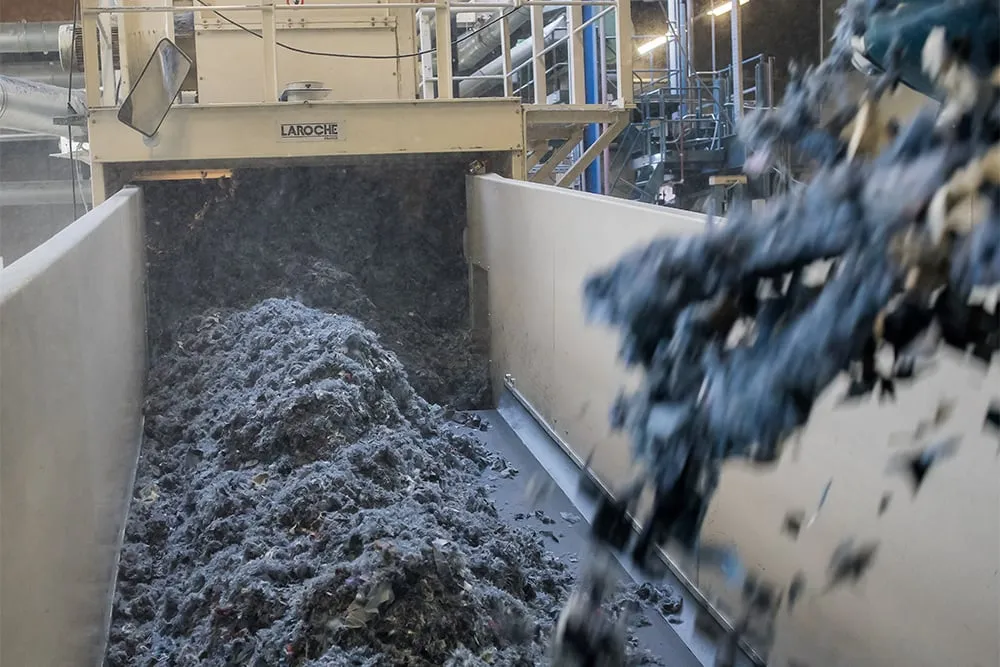
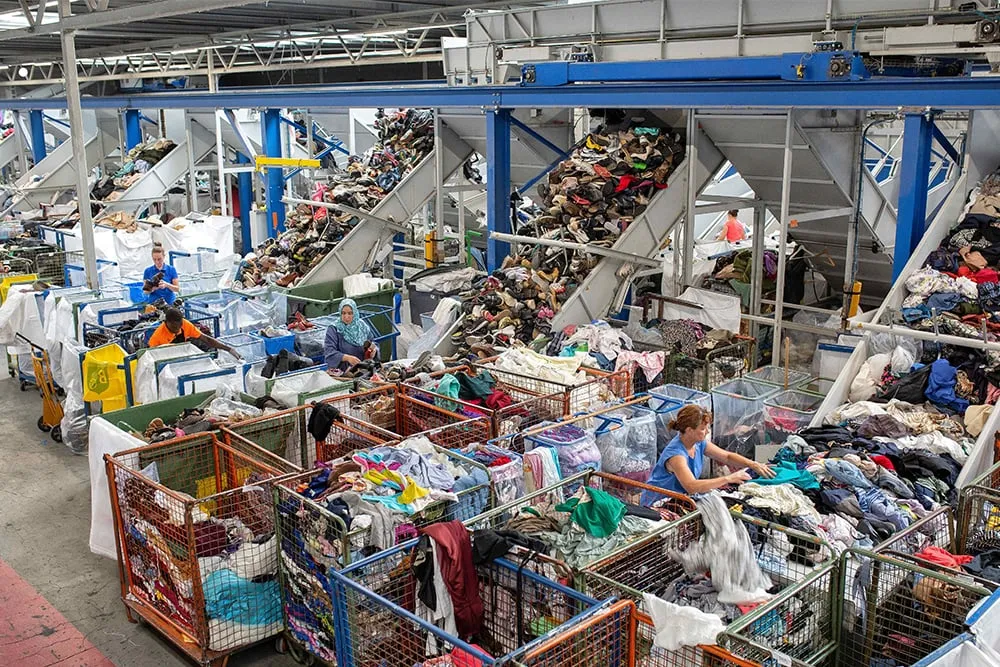
Things are not looking good in the world of textile recycling. Falling sales, driven by competition from new and second-hand clothing from China, combined with rising labour and energy costs, are putting the sector under severe pressure. Unless there is a political signal soon, we risk seeing textile recycling disappear here before the circular economy has even got into full swing.
Textile recycling has always had its ups and downs. During the pandemic, for example, the sector was hit hard when traditional outlets closed their doors. But what is happening today points to a more fundamental crisis, as demand for European second-hand clothing is falling. And this problem is not limited to the Benelux: the same warning signs are coming from Germany, England and Spain.
Competition on two fronts
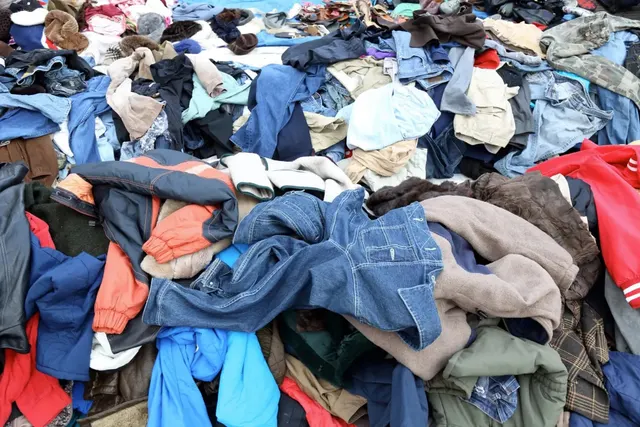
So what exactly is going on? The textile recycling sector is now having to contend with fierce competition from China and the United States on two fronts. On the one hand, there is ultra-cheap new clothing, and on the other, ultra-cheap second-hand clothing. Garments are sometimes offered for as little as a third of the price, prompting many regular customers of European recycling companies to turn away. The difference in quality may still be there, but the price gap is becoming too wide to sustain. Moreover, the second-hand clothing market often provides the revenue stream that enables textile recyclers to keep the rest of their operations profitable.
Cost structures have changed
At the same time, these recycling companies have seen their cost structures change dramatically in recent years. Textile recycling is, by its nature, labour-intensive. Labour costs account for an average of 70% of their total costs. Rising inflation has driven wages steadily upwards in recent years. The same is true of energy prices. By contrast, the costs they have more control over, such as contracts with towns and municipalities for textile collection, are long-term, lasting three to five years. They cannot simply adjust quickly now that the second-hand clothing revenue model has collapsed.
Legislative action needed
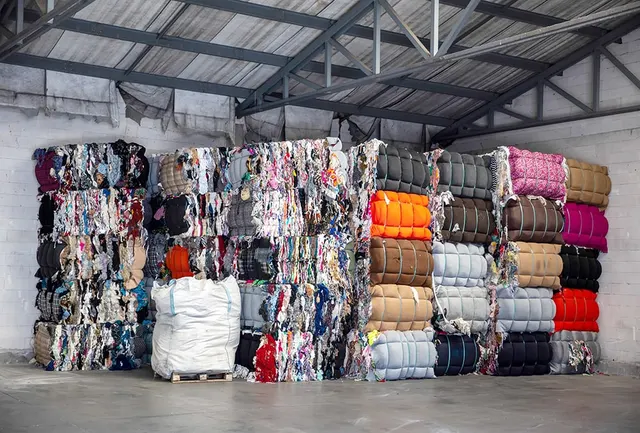
This has led to serious cash flow problems across the sector. We have now reached the point where many textile recycling operators are questioning whether it is still worth doing business here. Some have already fallen by the wayside. The natural balance of supply and demand has therefore been seriously disrupted. Without legislative action, the entire industry built around textile recycling risks being lost, and all that collected textile waste will end up in incinerators.
Better recycling technologies
The biggest challenge is to find solutions for textiles at the end of their life, recycling that can turn textile fibres back into new textile fibres. The fees that towns and municipalities currently collect for placing collection containers should not be used to cover budget deficits, but set aside for innovation projects. Textile producers must also be involved in this, of course. There is already talk of introducing an extended producer responsibility scheme from 2025. This could in turn help fund R&D into new recycling technologies, so that all materials can be given a proper second life.
Boosting demand
Once the material is available, the market still needs to follow. The entire process of collection, sorting and recycling costs money. As a result, virgin material is often cheaper than recycled material today. Producers will not switch of their own accord. Yet it is important for the sector to make the transition, given textiles’ poor environmental reputation. The Ecodesign for Sustainable Products Regulation is intended to give Europe a head start here. Textiles are one of the product groups prioritised in the 2024-2027 plans. Change is therefore on its way. But will it come in time? Or will we simply let an important link in the circular economy disappear?
Question about this story? Ask your question
Keep following this
Get an email when a new story is published. No account needed.
- ThemeMaking use of textiles and other waste streams
- SubjectTextile waste