Sustainable textile recycling requires more than technological innovation
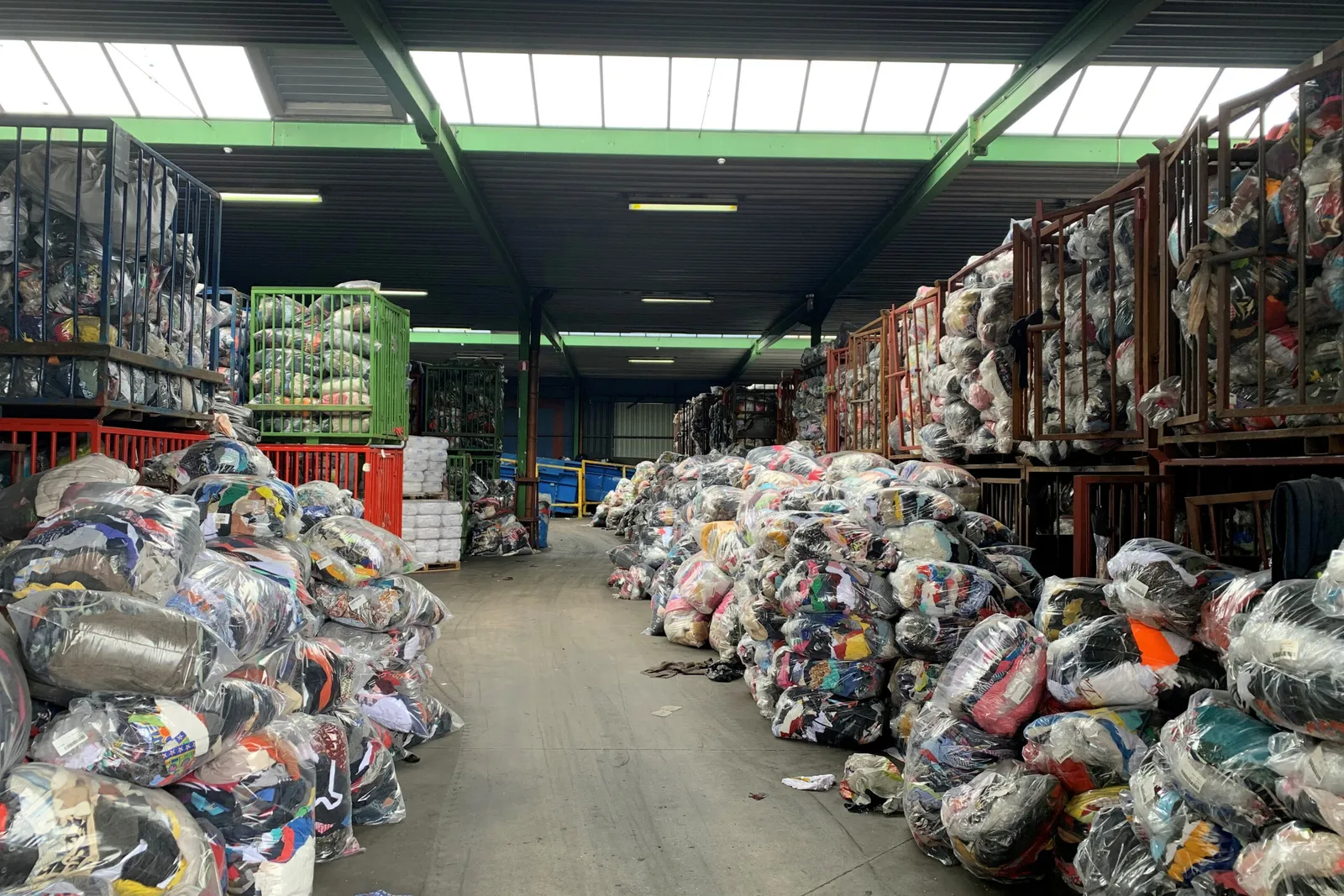
From 2025, separate collection of textile waste will be mandatory in Europe. As a result, the volumes of collected textiles are set to rise sharply in the coming years. At the same time, pressure is growing to recycle more textiles within Europe. New recycling technologies are often put forward as the solution, but Denuo warns that this risks making technology the sole focus of the debate. The real challenge is broader: how can we build a sustainable textile recycling industry that is economically viable, environmentally responsible and future-proof?
The recyclability of textiles is often reduced to the fibres used, but the reality is far more complex. The composition of the fabric is not the only factor: product design and the presence of other elements such as zips, buttons, prints or elastic components also largely determine whether recycling is technically and economically viable. Denuo says more attention must therefore be paid to design choices that enable recycling. Without adapted product designs, many innovative recycling technologies will be unable to fulfil their potential.
The case for sustainable textile recycling
The textile debate often distinguishes between high-grade and low-grade recycling. Denuo believes these terms do not adequately reflect reality. A recycling technology is not automatically more sustainable simply because it enables fibre-to-fibre recycling. Denuo advocates the concept of sustainable textile recycling. This puts the overall sustainability performance of the recycling process at the centre, rather than any one specific technology. Recycling should keep materials in the economy for as long as possible, help reduce climate impact and have minimal negative effects on people and the environment.
A producer responsibility scheme that gives businesses room to invest
Belgium currently has strong expertise in textile collection and sorting. This position can be strengthened further, provided businesses receive enough support to invest in new processes and partnerships. Denuo therefore calls for an incentive-based extended producer responsibility (EPR) scheme that supports investment in pre-treatment, recycling capacity and innovation. Clear recycling targets and measures to boost demand for recycled materials are also essential.
From ambition to industry
The future of textile recycling calls for an integrated approach that connects design, collection, sorting, recycling and market demand. Only in this way can Europe build a strong and sustainable textile recycling industry that is ready to meet the challenges of tomorrow.
Question about this story? Ask your question
Keep following this
Get an email when a new story is published. No account needed.
- ThemeMaking use of textiles and other waste streams
- SubjectDenuo