Towards separate collection of hazardous household waste across Europe
Text Valérie CouplezImage iStock

A stronger focus on safety is no luxury in the waste and recycling sector. From now on, each edition of this column will showcase an initiative that puts safety first. This time, we highlight the joint call by the Association of Cities and Regions for Sustainable Resource Management (ACR+), the European Waste Managaement Association (FEAD) and Hazardous Waste Europe. They are calling for greater support and collaboration to ensure the effective separate collection and treatment of hazardous household waste across Europe.
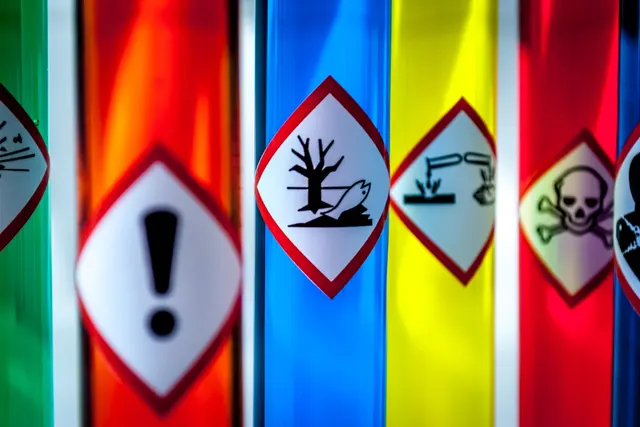
The statement highlights the need to address the implementation challenges faced by municipalities and waste treatment operators since the mandatory separate collection of hazardous household waste was introduced in the EU in January 2025 under the revised Waste Framework Directive. Although hazardous household waste accounts for only around 1% of municipal waste by volume, it poses disproportionately high risks to human health, the environment and recycling systems if not managed properly.
Recognising it as a priority waste stream
“Hazardous household waste is very complex and costly to manage. More than a year after the separate collection obligation came into force, it remains essential to ensure that waste treatment operators and municipalities have the right operational and financial framework, as well as the necessary infrastructure, to process this waste safely and efficiently,” said Paolo Campanella, FEAD Secretary-General. “This statement is a call to recognise hazardous household waste as a priority waste stream requiring specific attention and resources,” he added.
Greater awareness, guidance and funding
Drawing on insights from the ‘Hazards Out’ series of workshops on the separate collection of hazardous household waste, the statement sets out recommendations for coordinated European action, addressed to both the European Commission and the Member States. The main areas of focus are data collection, monitoring and material characterisation, fair cost-sharing mechanisms, greater public awareness and engagement, and capacity-building and training. “Local authorities are at the forefront of implementing collection systems for hazardous household waste, but they face many operational and financial challenges. Raising public awareness and providing practical guidance and funding mechanisms are essential to making separate collection work in practice,” said Françoise Bonnet, ACR+ Secretary-General.
Question about this story? Ask your question
Keep following this
Get an email when a new story is published. No account needed.
- ThemeImproving waste collection and transport
- SubjectSafety first