Circular aggregates: sustainable solutions for the future
Text and images Copro
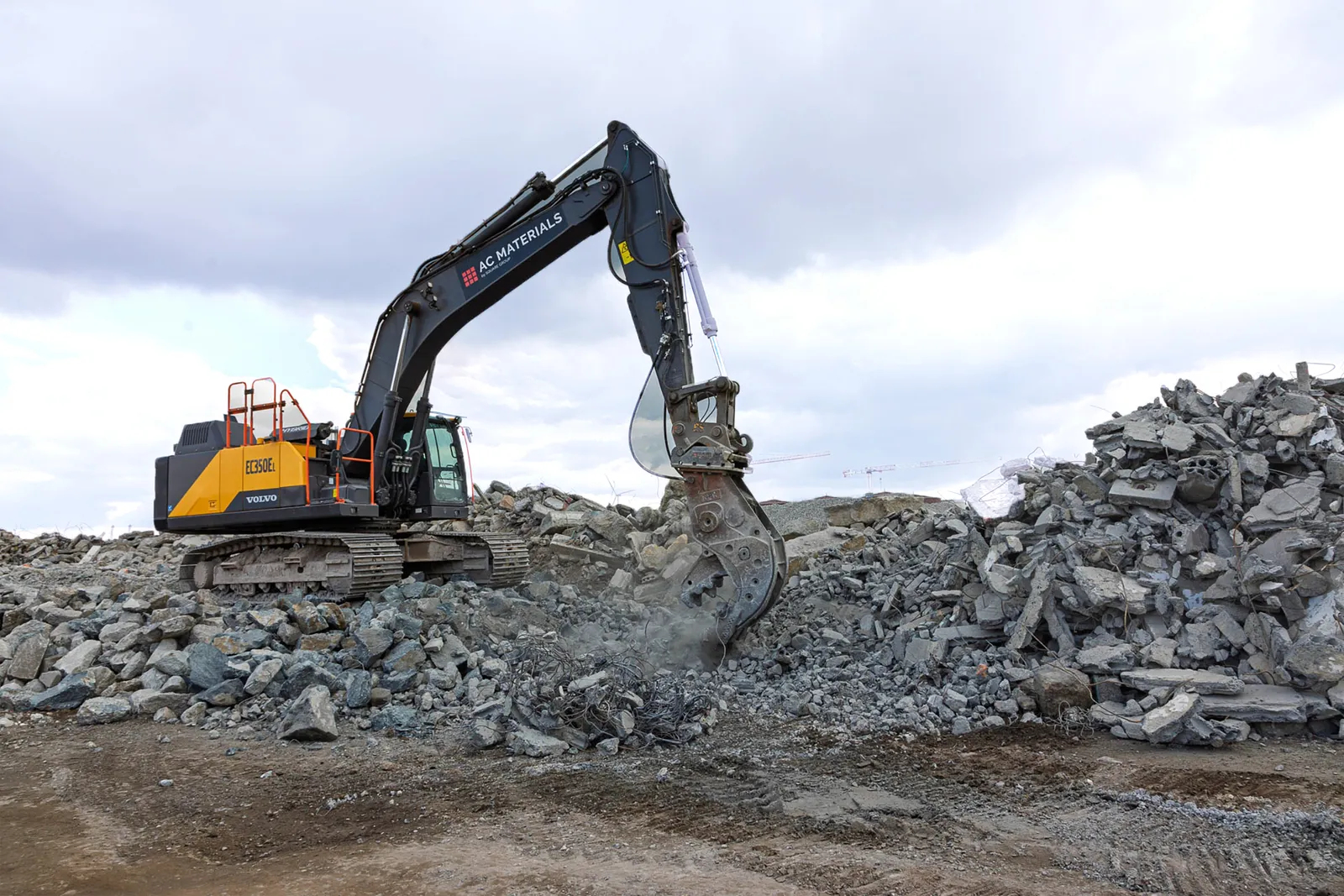
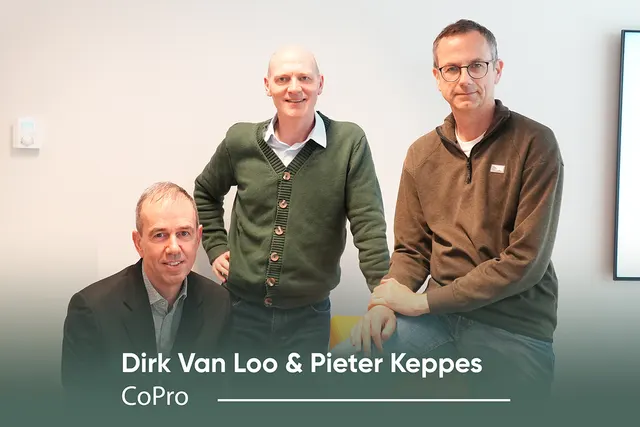
The construction sector and the Flemish government are increasingly turning to circular aggregates as an alternative to primary aggregates. This is driven not only by sustainability, but also by the declining availability of primary materials. Pieter Keppens, Unit Manager at COPRO, explains how certifying different types of circular aggregates for their intended applications builds confidence in their quality.
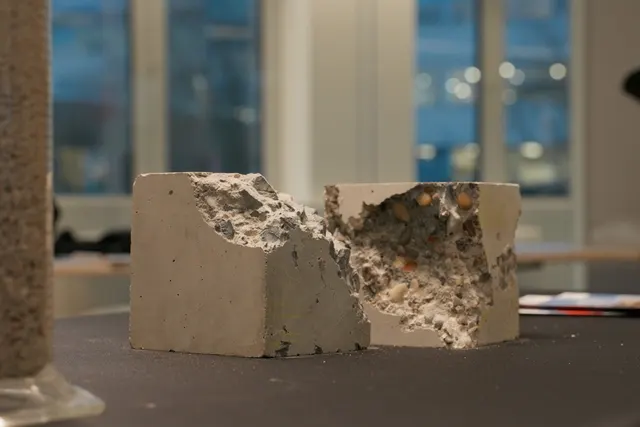
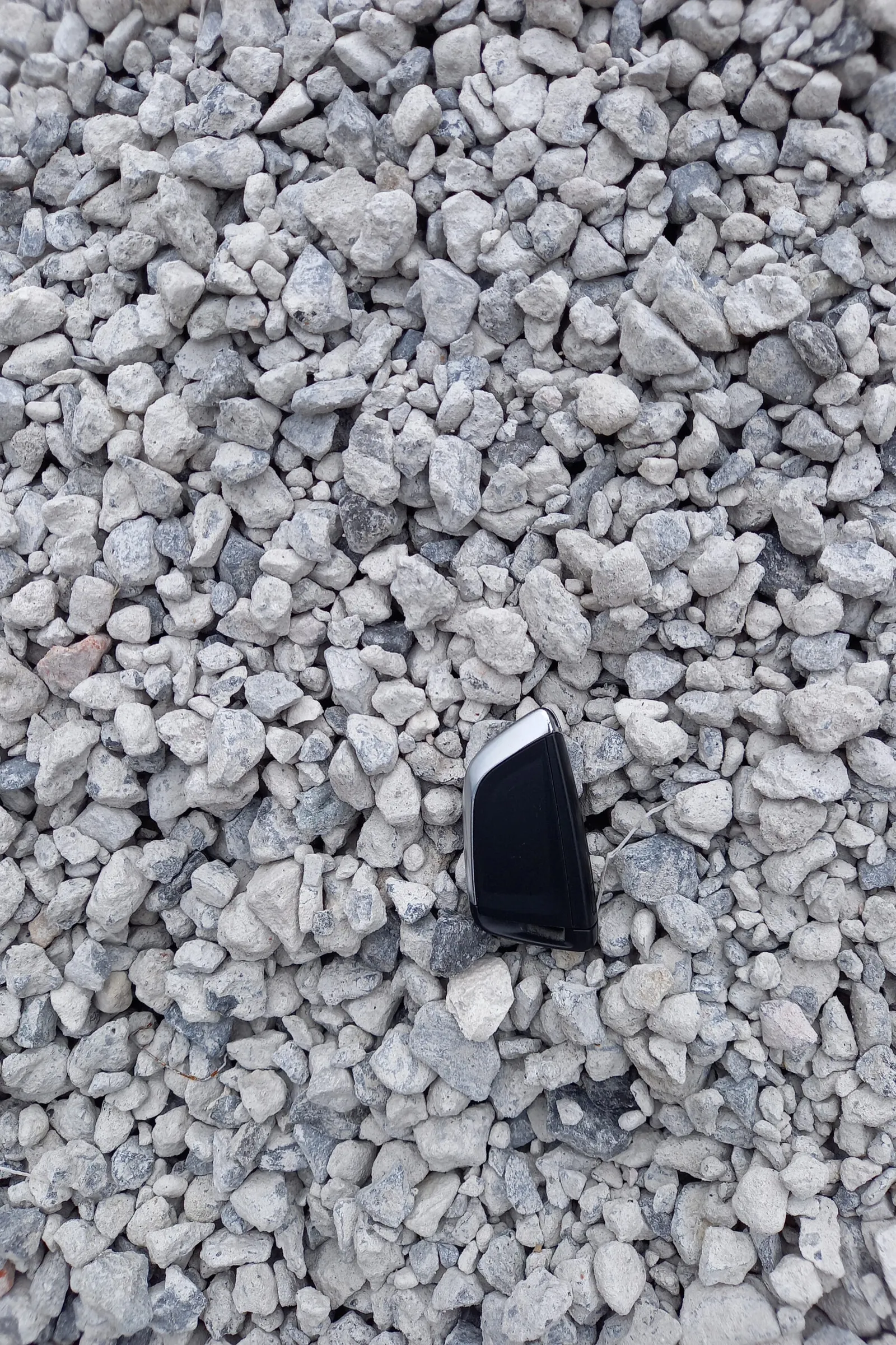
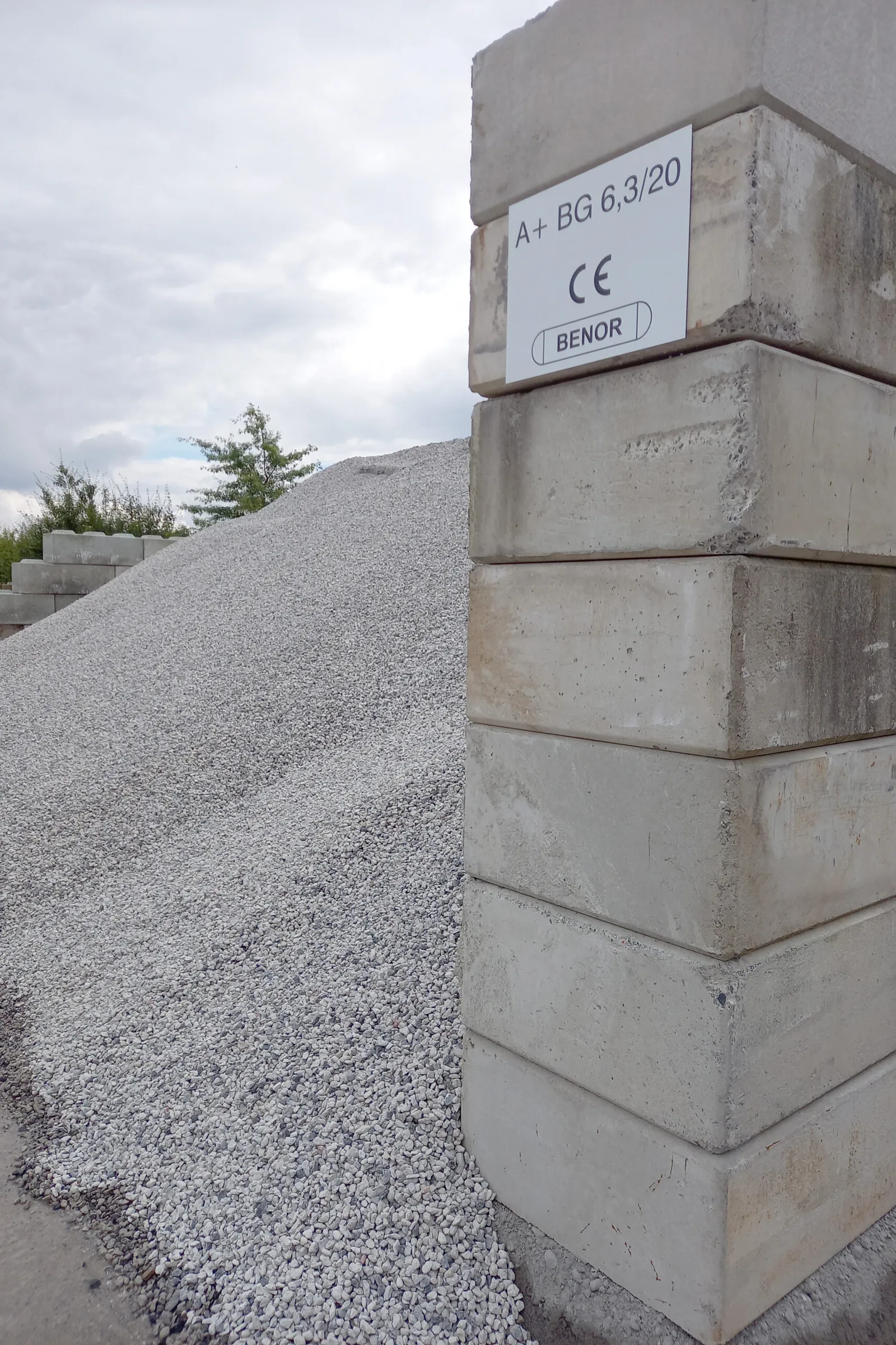
Around 15 million tonnes of construction and demolition waste are recycled into aggregates in Flanders each year, with a recycling rate of more than 98%. In most cases, these mixed and recycled concrete aggregates are used in the foundations of roads and industrial buildings. “The general aim is to use high-quality residual streams as circularly as possible, or in high-value applications,” Keppens explains. For example, COPRO certifies A+ recycled concrete aggregate with the BENOR quality label for circular reuse in concrete. This means old concrete is incorporated into new concrete, rather than recycled concrete aggregates being used in a foundation. The high-quality sand fraction produced when concrete is crushed into recycled concrete aggregate could also soon be reused in new road concrete in accordance with standard specification 250.
Circular applications
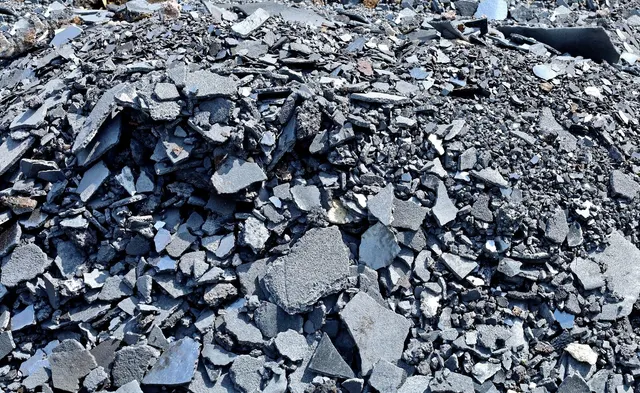
Using other quality aggregates, such as mixed recycled aggregate, or other circular materials in road sub-base layers makes more recycled concrete aggregate available for circular use in concrete. After secondary construction materials, such as bottom ash, railway ballast and non-ferrous slag, have been processed at a suitable facility, COPRO certifies the environmental and technical quality of the resulting aggregates. These are increasingly being used in high-value applications in road foundations and even in concrete or asphalt. A good example of a 100% circular application is reclaimed asphalt, generated when old asphalt layers are milled, which is reused in the production of new asphalt. This amounts to more than one million tonnes of COPRO-certified reclaimed asphalt each year.
Circular sand as the answer
Contaminated soil and similar waste streams are also cleaned, producing more than 260,000 tonnes of physically and chemically treated sand each year for reuse in construction. As well as sustainability, the looming shortage of sand is another factor. “Sand extraction from the North Sea is limited because this sand is essential for protecting our coast,” says Keppens. In addition, many operating permits for sand quarries in the Netherlands and Germany are expiring, further restricting the availability of new sand for construction in the coming years. The solution? Circular sand from soil and waste streams, certified for both its environmental and technical properties. Keppens says: “This is where COPRO’s strength lies. We certify not only in accordance with environmental legislation, but also assess whether materials are technically suitable for specific construction applications.”
Co-operation across the chain
Co-operation between different parties is key to a successful circular approach. “The ecosystem needs to function well both upstream and downstream,” Keppens explains.“ This means producers of circular aggregates, private and public clients, contractors and certification bodies all work together to make the highest-value use of circular construction materials in new building projects. The VLAIO project Living Lab Circulair Beton promotes the use of circular concrete in Flanders and examines how supply and demand for circular concrete can be better aligned. As a certification body for circular materials, COPRO is actively involved as a partner and, together with other certification bodies, has developed the ‘innovation certificate’. The innovation certificate provides a pragmatic stepping stone between new innovative products and the certification of standardised products. This enables innovative construction products and systems, including circular materials, to be used in construction projects more quickly and with confidence.
Question about this story? Ask your question
Companies in this story
Keep following this
Get an email when a new story is published. No account needed.
- ThemeCircular business under changing regulations
- SubjectSustainability
- CompanyCopro