Recycling shifts up a gear. Dust extraction keeps pace.
Text Angelique Driss / Kris VandekerckhoveImage Nederman
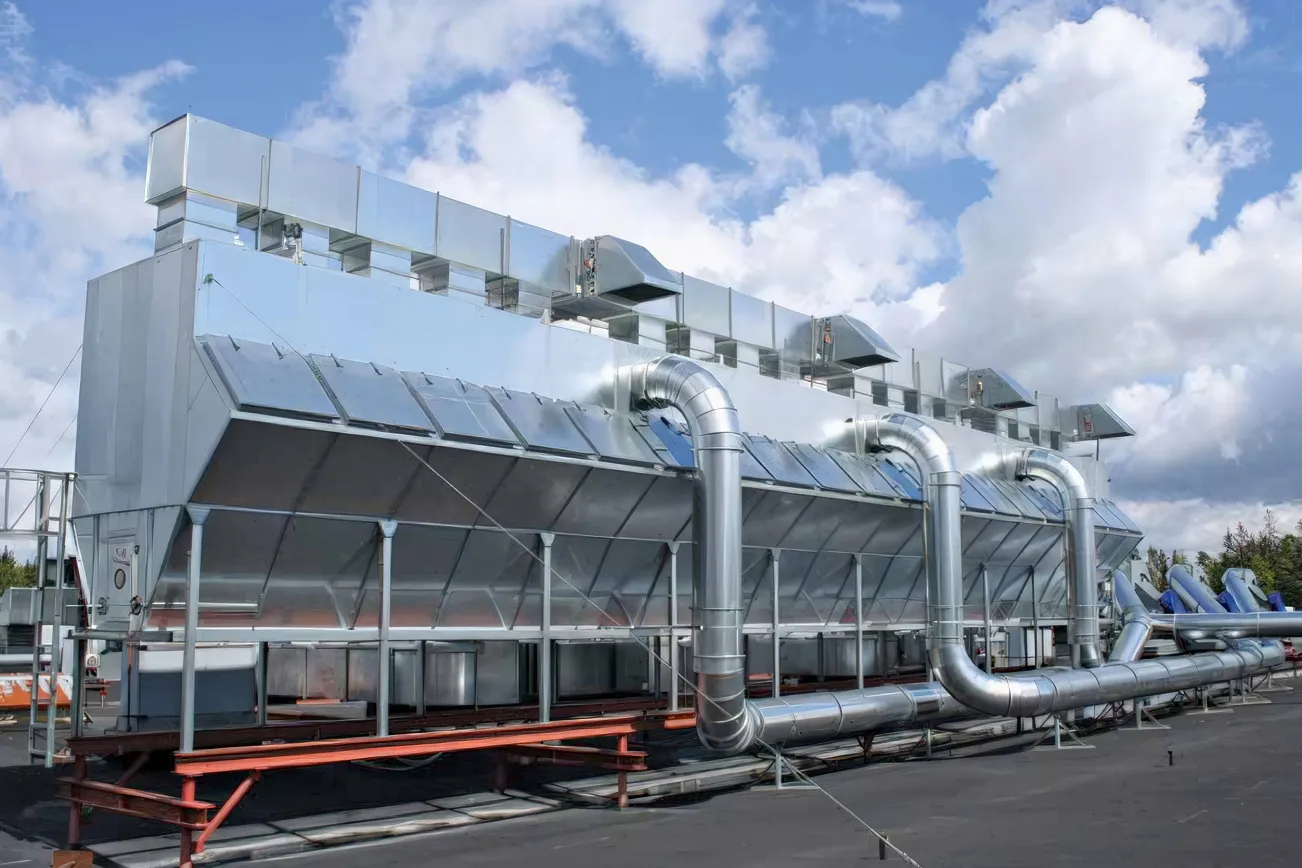
Recycling companies are handling increasingly large and complex material streams, while demands for productivity, safety and environmental performance continue to rise. This has brought greater focus to an aspect that often receives too little attention: effective control of dust emissions.
In 2024, 12.2% of the materials used in the European Union came from recycling, the highest level ever recorded. Belgium is also among Europe’s leaders, with a circularity rate of 22.7%. Behind this positive trend lies a clear industrial reality: recycling companies are growing, handling ever larger volumes and facing higher demands for productivity, safety and environmental performance.
Dust: an underestimated factor
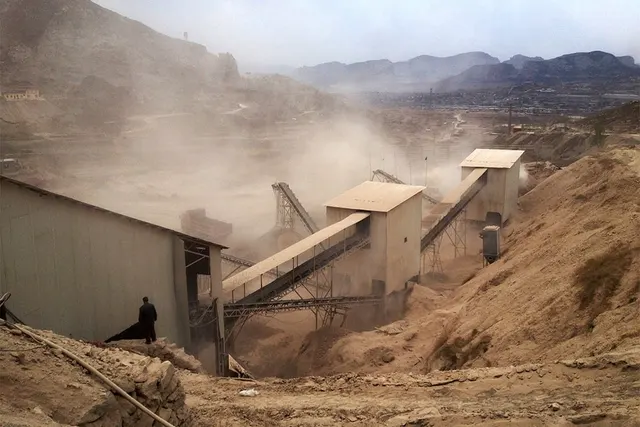
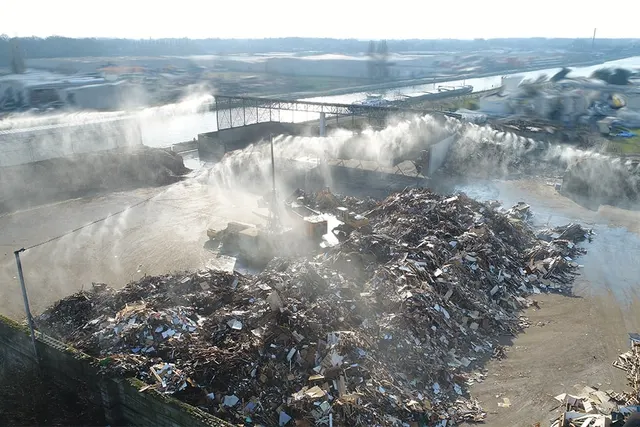
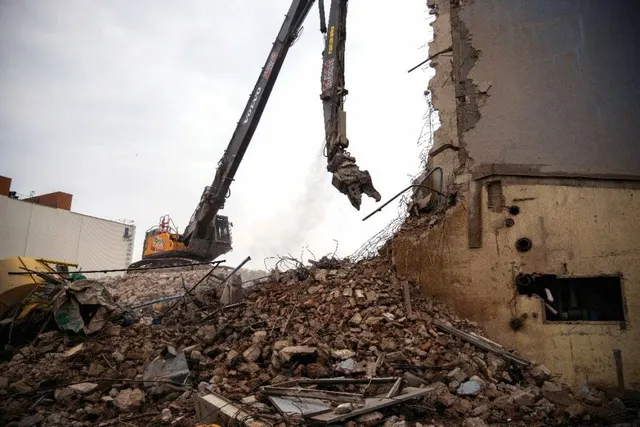
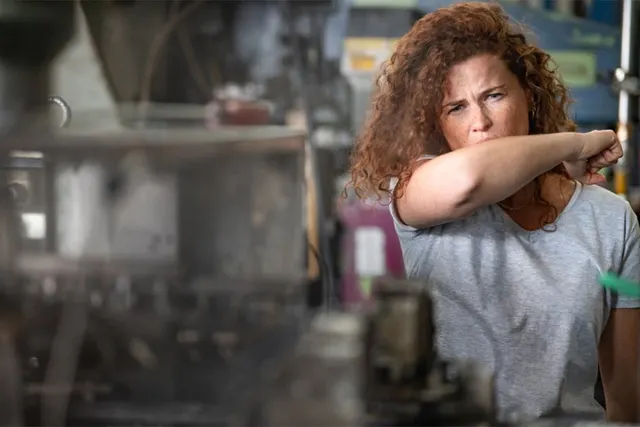
One aspect often receives too little attention: effective control of dust emissions. Whether the material is metal, wood, plastics, batteries, waste electrical and electronic equipment (WEEE), or construction and demolition waste, every stage of the recycling process, from shredding and crushing to screening, separation and conveying, can generate dust. The properties of this dust vary considerably depending on the material being processed. Some dust particles are mainly a source of contamination, while others are ultrafine, abrasive or even explosive. Each application therefore calls for a tailored approach. For a long time, dust extraction was seen mainly as a way to comply with regulations. That view has since changed. Recycling companies are now looking above all for reliable systems that can operate continuously and minimise unplanned downtime. Poor dust control can lead to contaminated machinery, accelerated component wear, higher maintenance costs and, in some applications, the risk of explosive atmospheres (ATEX).
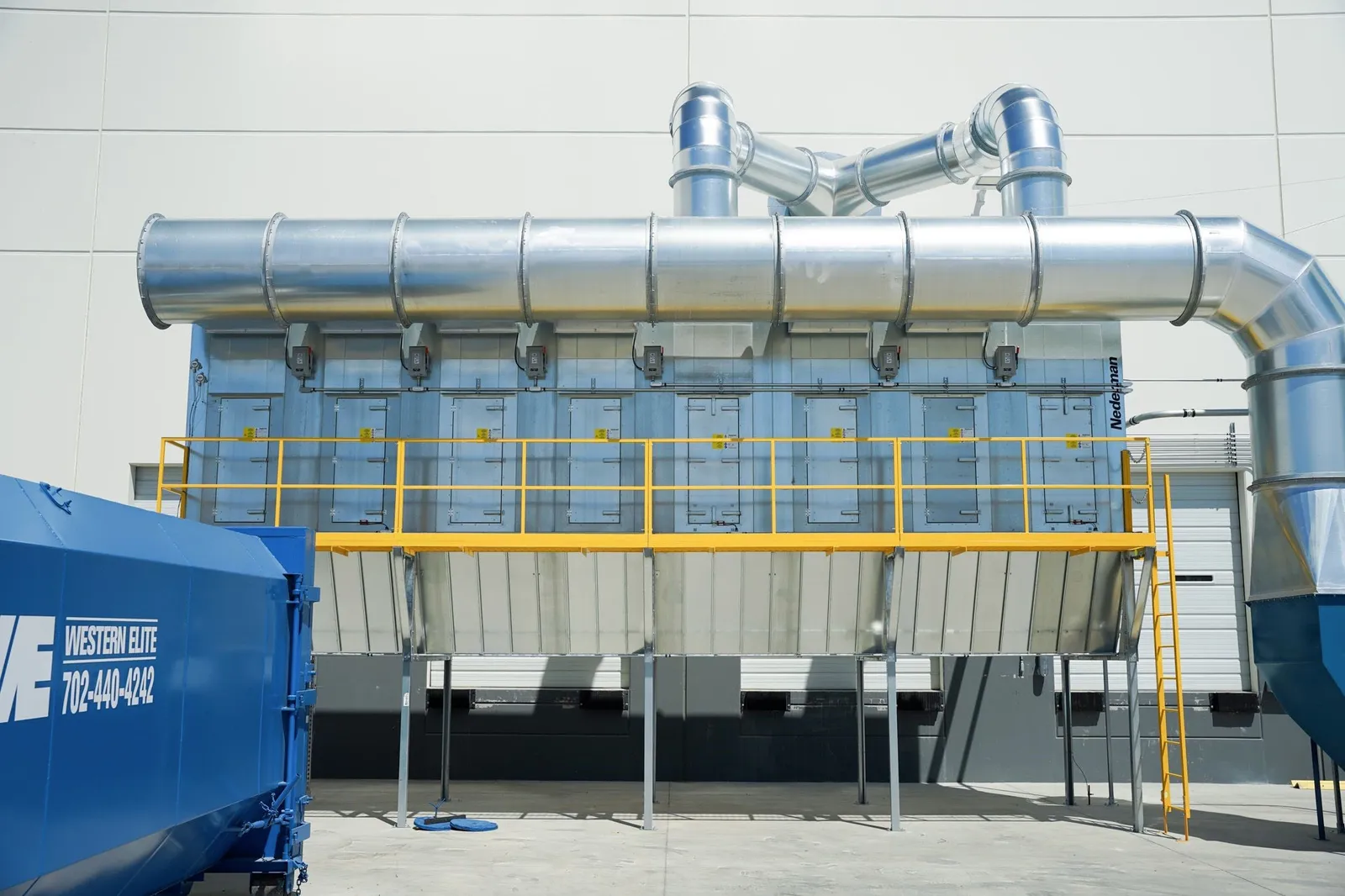
More complex material streams call for tailored solutions
At the same time, the recycling sector is becoming increasingly complex. Material streams are growing more diverse and processing technologies are evolving rapidly. The rise of lithium-ion battery, composite material and critical metal recycling, among other areas, illustrates this trend. Dust extraction systems must also adapt to increasingly specialised processes, with safety, energy efficiency and operational continuity at their core. A standard solution is becoming less and less adequate: the properties of the material, process and dust determine how best to configure a system.
When dust becomes a resource again
Another important trend is also emerging. Dust is no longer automatically treated as waste to be removed. Depending on the process, dust fractions may contain valuable materials that, if captured, conveyed and stored correctly, can be fed back into a recycling or recovery process. Dust extraction therefore not only helps protect employees and equipment, but can also help preserve the value of raw materials throughout the production process.
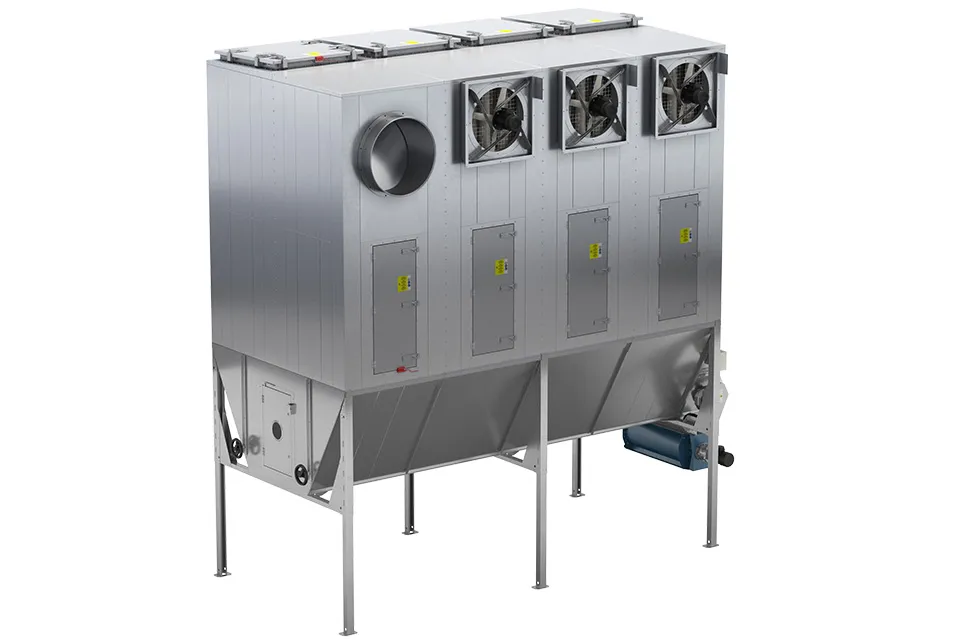
The whole chain matters
These developments call for an integrated view of the system. Installing an efficient dust filter alone is not enough. The entire chain must be coordinated, from source extraction, dust conveying and filtration to storage, explosion protection, energy consumption and monitoring. Every link has a direct impact on the performance and reliability of the entire site. At Nederman, this integrated approach is the basis of every project. Support begins at the design stage, with processes analysed and emission points mapped. The most suitable solution is then developed to meet the customer’s specific needs. This expertise covers the entire dust handling chain: extraction systems, duct networks, pneumatic conveying, dust filters, ATEX protection, digital monitoring and support throughout the system’s lifecycle.
From air quality to process quality
A well-designed dust extraction system ultimately does much more than improve air quality. It enhances workplace safety, helps reduce maintenance work, protects production processes and increases equipment availability. In an environment where production downtime can have a significant economic impact, these are important assets for running a competitive business. Recycling has become one of the foundations of Europe’s industrial transition. As processed volumes grow and processes become more complex, the strategic importance of dust extraction is also increasing. Dust extraction is therefore about much more than filtration alone. It is a vital link in ensuring safety and industrial performance, as well as maximising the recovery of raw materials. In the recycling sector, air quality and process quality are becoming ever more closely connected.
Een zakelijke vraag aan NEDERMAN? Get in touch
Companies in this story
Keep following this
Get an email when a new story is published. No account needed.
- ThemeSmarter use of machinery and plant
- SubjectDust control
- CompanyNEDERMAN