International transport: sea freight
Text Group CasierImage iStock
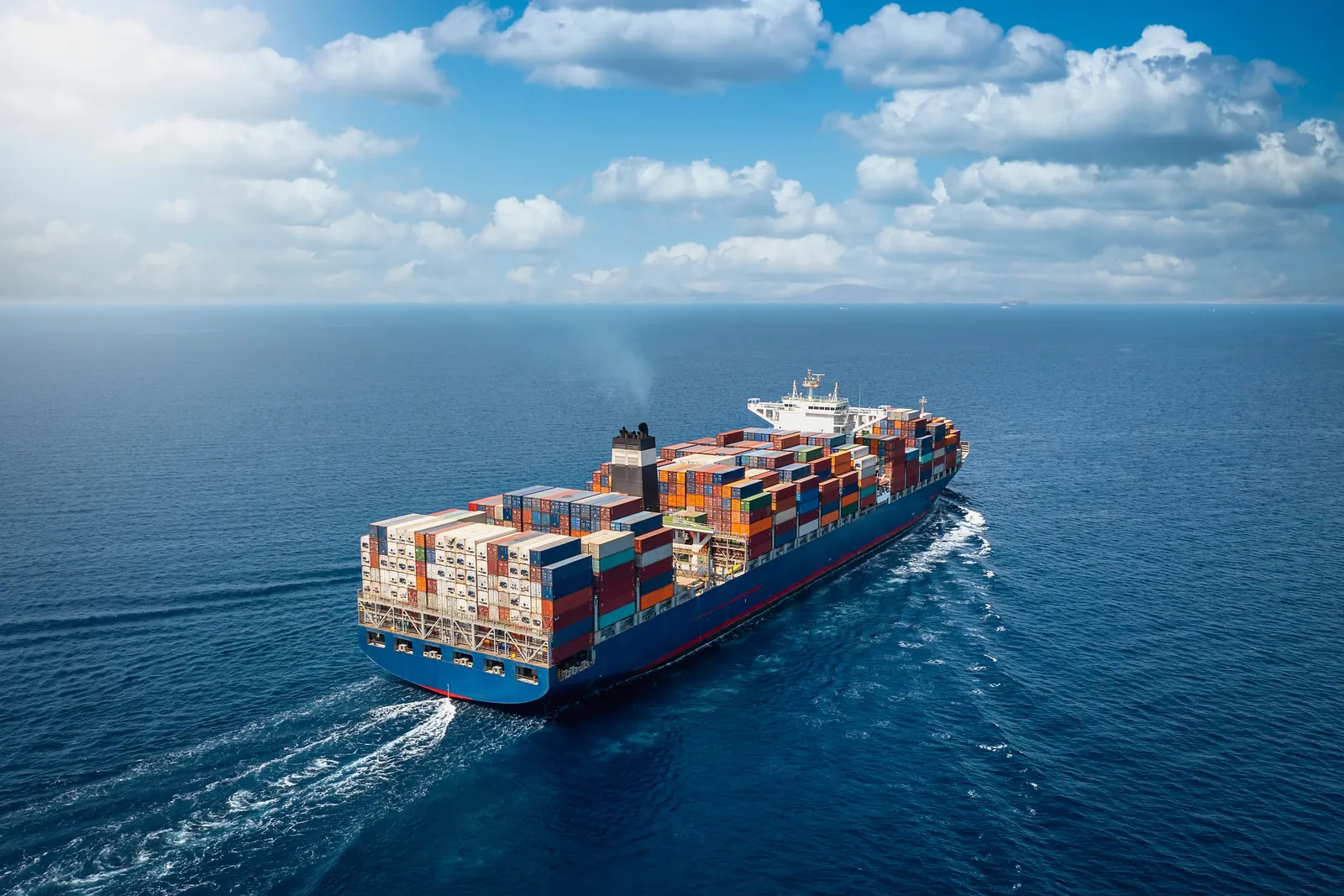
We live in a multimodal world where goods travel around the globe by various modes of transport before reaching their final destination. This article focuses on international transport, particularly sea freight.
International sea freight remains an efficient but risky link in global trade. Storms and rough seas can cause containers to shift or fall overboard, while fires on board often cause severe damage. Piracy poses an additional threat in certain regions, as do theft and damage during cargo handling in ports.
Incoterms and international compliance
The Incoterm chosen determines the rights and obligations of the buyer and seller in international goods transport. It specifies who bears which costs and when the risk of loss or damage is transferred. In addition, the compliance requirements of the destination country must be met. In some countries, local insurance is compulsory for the onward journey to final delivery.
Maritime principles and additional obligations for sea freight
Those who choose sea freight and bear the risk themselves remain subject to maritime rules such as General Average. In an emergency where costs are incurred or sacrifices made to preserve the ship and cargo for the common good, such as jettisoning cargo, towage costs or emergency repairs, all cargo owners must contribute proportionally. Without insurance, a substantial bank guarantee often has to be provided before the goods are released. In Belgium, the classification clause also applies: goods must be carried on vessels recognised by IACS or Nationale Vlag Maatschappij.
Cargo insurance as an essential safety net
Cargo insurance provides a necessary financial buffer against all these risks and ensures that both material damage and additional costs are handled professionally. In an increasingly complex logistics chain, it remains an indispensable safeguard.
Why bespoke cover is essential
No two consignments are the same. Cargo insurance must therefore be tailored to the specific characteristics and risks of the goods. Some cargoes require special attention in terms of packaging, handling, storage or transport. Examples include deck cargo, temperature-sensitive products and dangerous goods, each of which presents its own considerations. Standard insurance is often not sufficient for such cargoes, so bespoke cover is essential to ensure the right protection at every stage of transport.
Do you have any questions or want to find out more? Please contact Bart Pieters, Corporate Consultant at Group Casier, [email protected].
Een zakelijke vraag aan Casier Risk & Insurance bv? Get in touch
Companies in this story

Keep following this
Get an email when a new story is published. No account needed.
- SubjectGroup Casier
- CompanyCasier Risk & Insurance bv