Sorting errors in Brussels’ PMD bags cost almost €4 million a year
Fost Plus and Net Brussel launch new campaign to help Brussels residents sort better
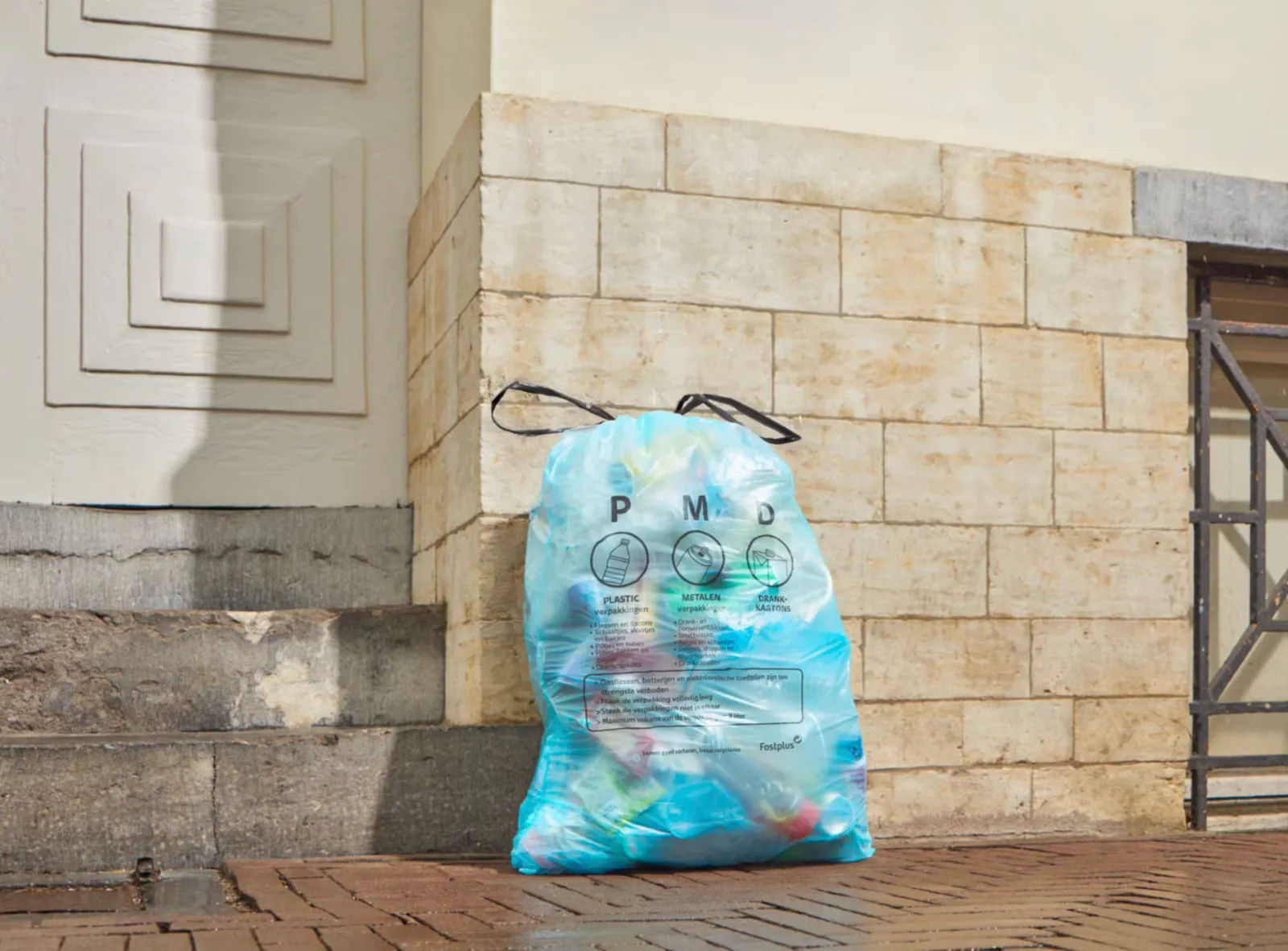
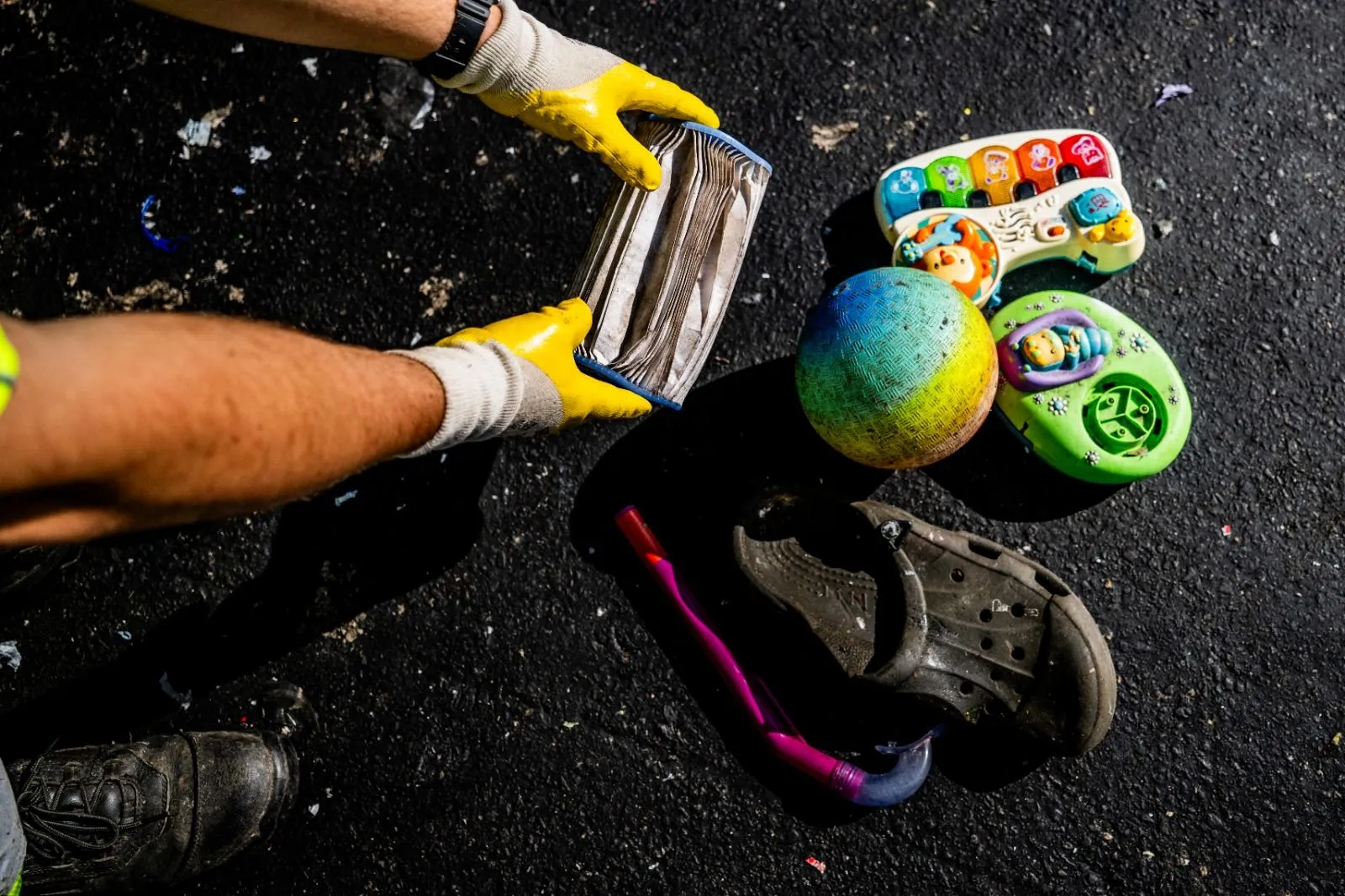
A plastic toy, a worn-out T-shirt, an e-cigarette… In 2025, almost 4,000 tonnes of waste were wrongly put in Brussels’ PMD bags. Removing this waste from the PMD stream and processing it correctly costs an average of €1,000 per tonne. That adds up to an annual bill of almost €4 million. To help Brussels residents sort correctly, Fost Plus and Net Brussel are launching a new awareness campaign with one simple message: ‘Check. Is it packaging? Then put it in the blue bag!’
Sorting waste poses specific challenges in Brussels. Many residents live in flats, where there is little or no room for separate bins, and waste bags are often collected in communal areas. The capital also has a high turnover of residents: new people arrive every year who still need to learn the sorting rules. With 184 nationalities and around 100 languages spoken, reaching everyone is a challenge. These specific factors explain why 17% of waste in Brussels’ PMD bags does not belong there, compared with a Belgian average of 13.5%.
“According to the latest Eurostat figures, Belgium recycled no less than 83.2% of its packaging waste in 2024, across all materials. The European average is 67%. This puts us among Europe’s leaders. And it starts with the efforts every Belgian makes each day to sort correctly. They deserve a big thank you for that! However, there is still room for improvement, especially in Brussels, where the capital’s specific characteristics create additional challenges,” says Baptiste Erpicum, spokesperson for Fost Plus. “That is why we work closely with Net Brussel on every front. A sorting error means a double loss: it costs extra to process incorrectly sorted waste, and valuable materials do not get a second life.”
Sorting errors have real consequences
A sorting error does not disappear once a waste bag has been tied shut. The first people to deal with it are Net Brussel’s staff, who collect thousands of waste bags by hand every day. A hypodermic needle, a sharp object or broken glass can injure them when they pick up a bag.
Incorrectly sorted items also pose risks at sorting centres. Batteries and e-cigarettes can cause fires. Paddling pools, buckets and toys can block sorting machines designed to process lightweight packaging. Medical waste, nappies and sharp objects also endanger sorting staff who manually check the waste on conveyor belts.
Sorting errors also carry a cost. Removing incorrectly sorted waste from the PMD stream and processing it correctly costs an average of €1,000 per tonne. These additional costs are borne by companies that place packaging on the market, but may ultimately be passed on in the prices consumers pay. Moreover, every sorting error represents a missed opportunity: valuable materials that could have been recycled are lost.
From apartment buildings to local shops
The new awareness campaign, which began on 9 November, is part of a broader, long-term partnership between Fost Plus and Net Brussel. The two organisations are working together to raise awareness through the media, in apartment buildings and on the streets.
“There is no single way to reach everyone in Brussels,” explains Adel Lassouli, spokesperson for Net Brussel. “We broadcast radio adverts in Dutch and French, but also share our messages in other languages, including English, Arabic, Spanish and Turkish. We also reach out to Brussels residents directly: in shops, at events and in apartment buildings.”
In these buildings, the approach begins with an assessment of the situation on site. Net Brussel then advises building managers and concierges, adapts its awareness materials and organises activities for residents covering the sorting rules and the most common mistakes. Building managers and other intermediaries also receive support, so that sorting correctly becomes a long-term habit.
“Together with our social housing partners, we have already raised awareness among almost 88 intermediaries, or they are currently receiving training. We also organised around a dozen activities across the Brussels-Capital Region in 2026. Brussels residents want to sort correctly. It is our job to give them the right information, in the right place and with their specific living situations in mind,” says Adel Lassouli.
‘Check. Is it packaging? Then put it in the blue bag!’
The new campaign runs until 28 December. On radio and social media, a catchy jingle encourages Brussels residents to pause before throwing something away. They should ask themselves one simple question: is it packaging?
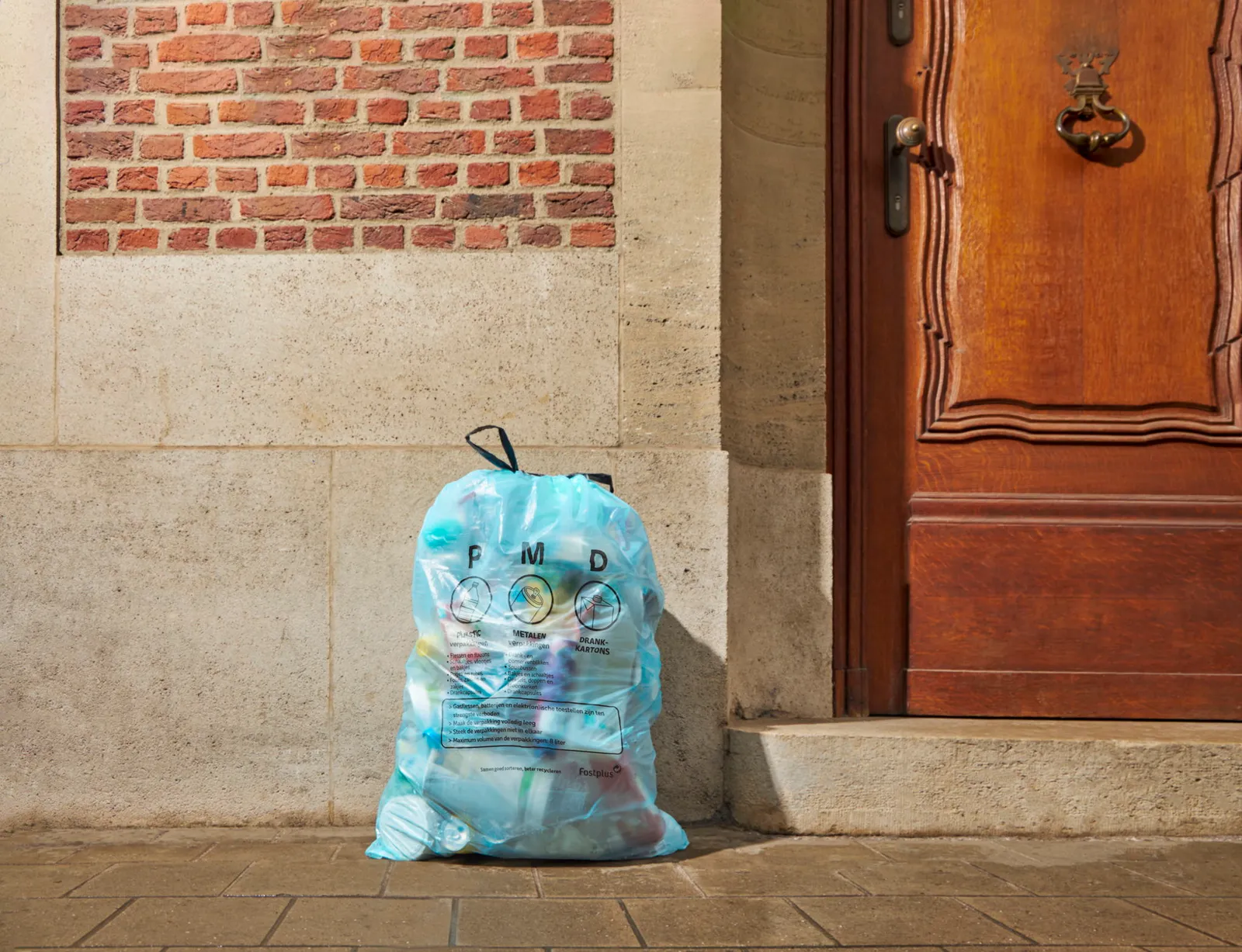
Because not everything made of plastic belongs in the PMD bag. Only empty plastic and metal packaging and beverage cartons can go in. A cold-cut tray, an aluminium lasagne tray or a milk carton? Yes. A bucket, battery or e-cigarette? No. Buckets belong at a recycling centre, batteries at a Bebat collection point and e-cigarettes at a Recupel collection point. If in doubt, find the answer at www.betersorteren.be.
The campaign can be heard on various radio stations, including Bel RTL, Contact, Nostalgie, BX1, Bruzz, Arabel and Alma, as well as on online audio platforms. Brussels residents are also encouraged to sort correctly via TikTok, Facebook and YouTube. Posters in Carrefour, Delhaize and Intermarché supermarkets, beside the PMD bags, also remind customers of the correct sorting rules.
The four most common misunderstandings about PMD
These are the four most common mistakes when sorting PMD.
1. Large plastic items that are not packaging
Think garden furniture, toys, a broken lunchbox or a bucket. These items are all made of plastic, but that does not mean they belong in the PMD bag. Only plastic packaging, metal packaging and beverage cartons can go in the blue bag.
2. Packaging that is not empty
A half-full sauce bottle or a tin can with food residue: packaging that still contains something is too heavy for the sorting machines and ultimately ends up in residual waste, which is then incinerated. Always empty packaging before putting it in the PMD bag.
3. Paper, cardboard and textiles
Used notebooks, cardboard boxes and a worn-out T-shirt do not belong in the PMD bag. They must be disposed of through the appropriate collection channels, such as paper and cardboard collection, a textile bank or a charity shop.
4. Hygienic and hazardous waste
Medical waste, nappies and sharp objects make the sorting process unhygienic and dangerous for sorting staff. They belong in residual waste, as with nappies, or must be disposed of through a dedicated collection channel.
Question about this story? Ask your question
Companies in this story
Keep following this
Get an email when a new story is published. No account needed.
- ThemeMaking plastics and packaging circular
- SubjectNews
- CompanyBebat vzw
- CompanyRecupel