Europe risks weakening recycling sector in quest for raw material security
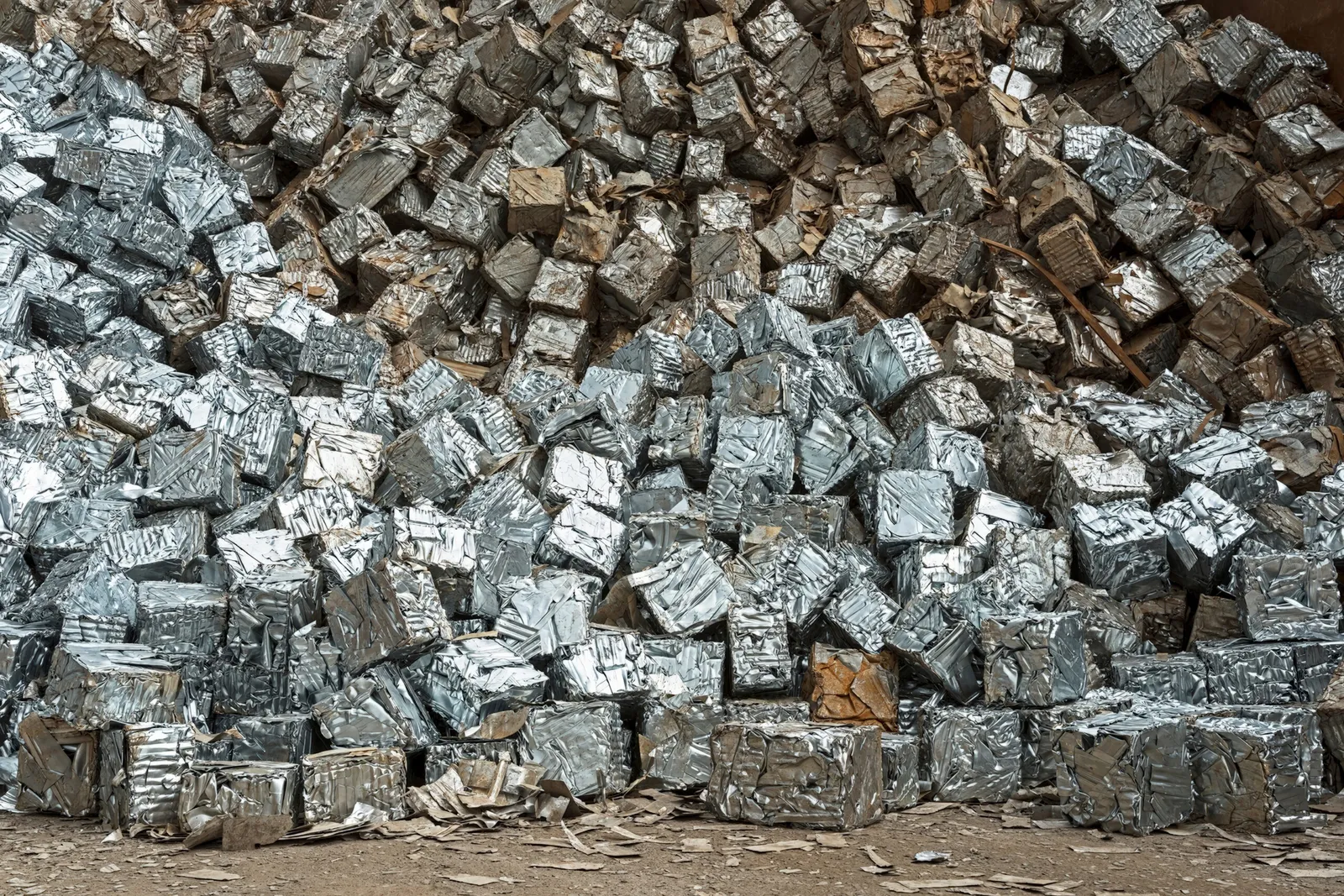
The European Union is looking for ways to strengthen its industrial competitiveness and secure access to strategic raw materials. In this context, possible export restrictions on recycled aluminium are also under consideration. The measure is intended to give European products an advantage. But appearances can be deceptive. According to Denuo, such restrictions risk hitting the very sector that is helping to ensure an efficient, circular supply of raw materials.
The debate over export restrictions stems from concerns that European aluminium producers may not have sufficient access to recycled materials. Some voices are therefore calling for measures to restrict exports of aluminium scrap. Together with European recycling companies and industry organisations, Denuo has urged European policymakers to scrutinise such proposals, as they are based on an incomplete picture of the market. Moreover, they fail to take sufficient account of the recycling sector’s role in the aluminium value chain.
No evidence of a structural shortage
The European recycling sector already supplies large volumes of recycled materials to the market. In several segments, available supply even exceeds domestic demand. Denuo therefore questions the fundamental premise on which export restrictions would be based. Without clear evidence of a structural shortage, such measures risk seeking a solution to a problem that has not been adequately demonstrated.
Recycling companies risk paying the price
Export markets give recycling companies the opportunity to sell materials wherever there is demand. Closing off or restricting those markets could have far-reaching consequences. Less profitable recycling operations mean less investment, less innovation and ultimately less material being collected and processed. Export restrictions would therefore run directly counter to Europe’s ambitions for circularity and efficient use of materials.
A balanced value chain requires balanced policy
Denuo supports the ambition to make the European aluminium industry stronger and more competitive. But policy measures must not favour one link in the value chain at the expense of another. The recycling sector is an essential partner in Europe’s industrial revival. It supplies secondary materials, creates jobs and helps reduce dependence on primary raw materials. A strong aluminium ecosystem therefore requires measures that support the entire value chain. Moreover, current political and economic conditions show that the misleading arguments previously used to advocate export restrictions on recycled aluminium could just as easily be applied to aluminium ingots and billets. Disruptions to aluminium supplies from the Gulf region have driven up prices and fuelled European exports of aluminium products to Asia, where producers are responding to higher demand, while European demand remains weak because of a slowdown in key end markets.
Decisions must be based on facts
For Denuo, the conclusion is clear: far-reaching trade measures must not be taken on the basis of assumptions. They must be grounded in objective market data and developed in consultation with all stakeholders. The federation is calling on the European Commission to thoroughly assess the potential consequences of export restrictions and work with the recycling sector to find solutions that strengthen both industrial competitiveness and the circular economy. Only a balanced approach can ensure that Europe improves its raw material security without weakening one of its greatest assets: the recycling sector. We remain ready to contribute constructively to a balanced future path for the European aluminium sector.
Question about this story? Ask your question
Keep following this
Get an email when a new story is published. No account needed.
- ThemeRecovering metals and creating value
- SubjectDenuo