












European glass recycling faces challenging times: time for targeted action
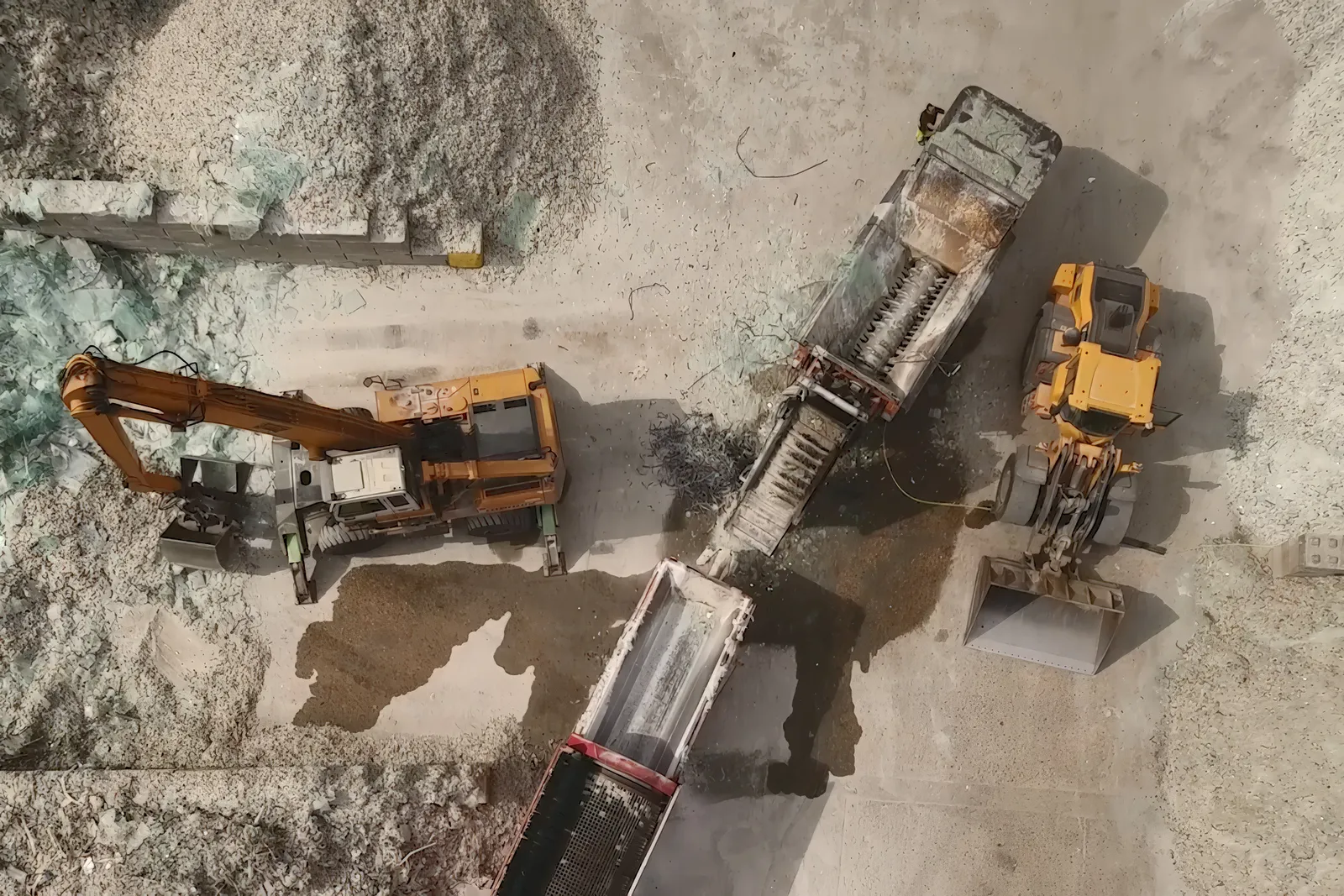
Europe collects more glass than ever. On paper, that is good news for the circular economy. But behind the scenes, pressure is building. What happens if the recycling chain can no longer process the glass collected? Two opposing trends are putting the sector under severe pressure and threaten to destabilise one of Europe’s most successful recycling systems. What looks like a strength today could become a structural problem tomorrow.
The container glass sector is coming under pressure from a combination of developments that reinforce each other and seriously disrupt the balance of the recycling chain. One factor is the sharp increase in the volumes of glass collected. Several Member States with historically low collection rates are stepping up their efforts to meet the more stringent targets set out in the new European Packaging and Packaging Waste Regulation (PPWR). This catch-up is necessary, but it is also leading to a substantial increase in the quantities of glass collected for recycling. At the same time, the market for recycled glass is moving in the opposite direction. European glassmakers are seeing demand for drinks in glass packaging stagnate or fall, partly due to a shift towards alternative packaging materials. As a result, glass furnaces are being shut down or operating at reduced capacity. This directly limits their ability to use recycled glass cullet in production.
Tangible risks for municipalities and recycling companies
Without corrective measures, this dual dynamic could lead to a serious crisis. Cities and municipalities may face difficulties collecting glass waste and awarding contracts for its collection. Recycling companies risk being unable to sell their recycled glass cullet. Storage capacity for unsold glass could quickly be exhausted, leading to additional permitting and environmental problems. In the worst case, Europe’s most mature and successful recycling chain could be disrupted, leaving Member States unable to meet their PPWR targets.
Call for coordinated action
To avert this scenario, FERVER is calling on European and national authorities to take swift, coordinated action. Targeted support measures for the glass recycling industry are essential, including as part of the forthcoming Circular Economy Act. Shared responsibility across the entire value chain is also needed, so that higher collection requirements go hand in hand with viable recycling and end-market solutions. FERVER is also calling for a combination of binding rules on the use of recycled glass in manufacturing, supplemented by tax incentives that make the use of recyclate more attractive, such as VAT deduction mechanisms. Finally, the federation is calling for faster approval procedures for expanding storage capacity for recycled glass cullet. The message is clear: without structural intervention, a success story risks going off course. With timely, well-considered measures, glass recycling can continue to play its role as a cornerstone of Europe’s circular economy.
Question about this story? Ask your question
Keep following this
Get an email when a new story is published. No account needed.
- ThemeMaking use of textiles and other waste streams
- SubjectDenuo







