












“The rules only come into force in 2030, but we’re already taking steps today”
Text Valérie CouplezImage Van Werven
The official texts of the Packaging & Packaging Waste Regulation have been published. But what does this mean in practical terms for our businesses? What do they think of the new rules? RecyclePro spoke to Van Werven about the impact on its business.
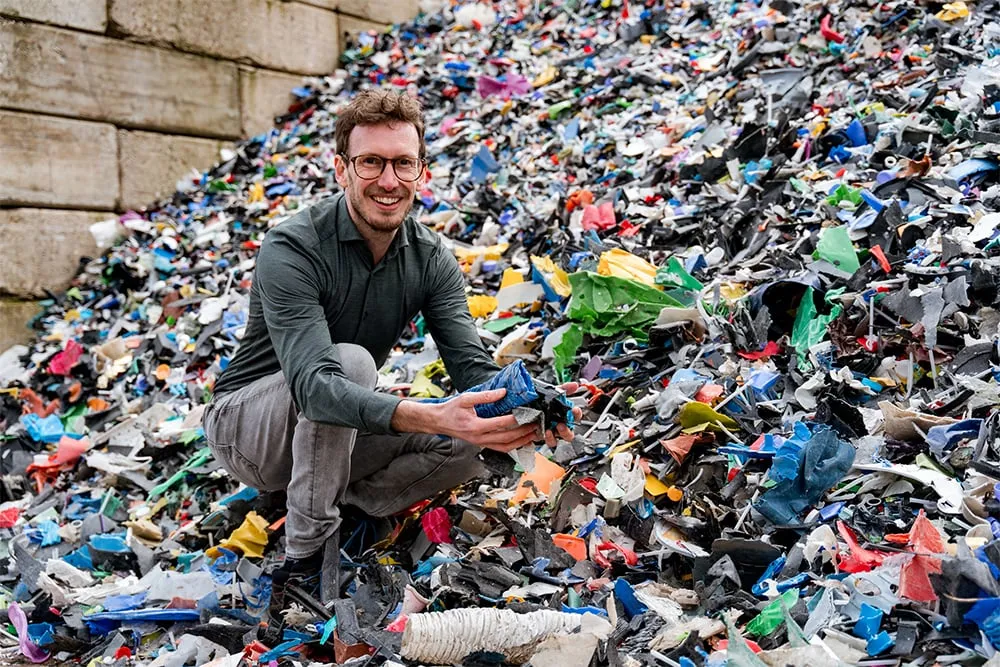
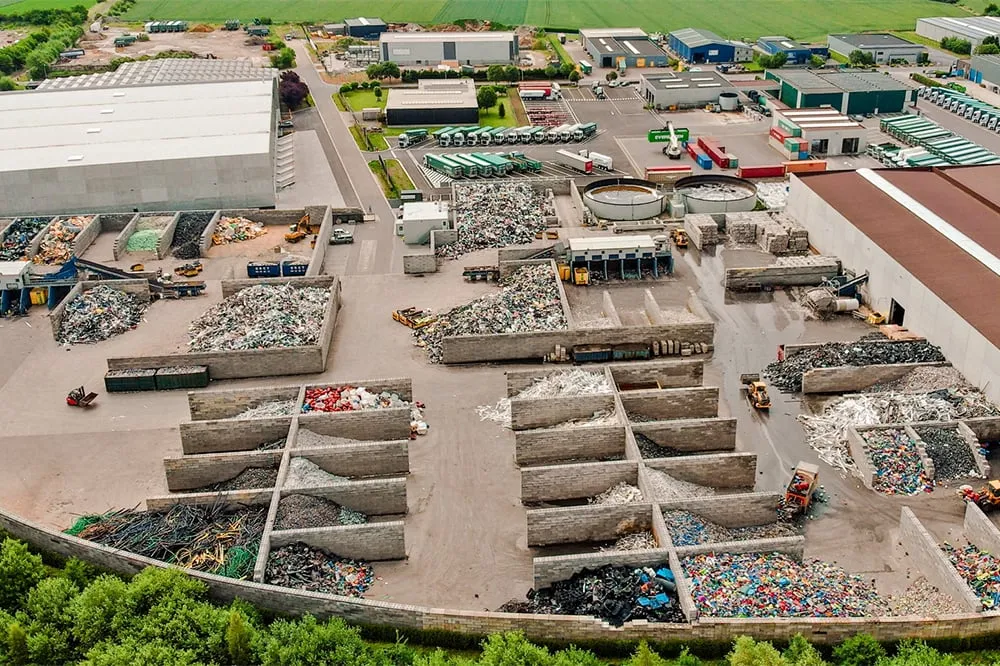
Van Werven is a third-generation family business. Its roots are in the Netherlands, but its operations now span Europe, particularly in plastics. “Our main focus is processing mixed streams of rigid plastics,” explains Arne Herpoele, Director of Plastics Recycling Netherlands and Belgium at Van Werven. “We turn them back into secondary raw materials for the European market.” A good example is the collected PVC pipes that Van Werven recycles into new PVC pipes, closing the loop completely. The Belgian site in Lanaken also processes a great deal of packaging material, namely polypropylene, most of which comes from the blue bag. “That amounts to around 10,000 tonnes of polypropylene, which, once processed, is suitable for a wide range of applications, but not for contact-sensitive products,” says Herpoele.
Targets encouraging
Van Werven will also feel the impact of the new Packaging & Packaging Waste Regulation (PPWR). “It is a complex issue, given the tension between the different stakeholders. So it is encouraging that the new legislation sends a positive signal to the plastics recycling sector,” says Herpoele. “If we really want plastics recycling to reach its full potential, the sector will need to rely less on the dynamics of virgin materials. The only way to do that is to stimulate demand for recyclate through recycled content requirements, and to apply the same harmonised rules throughout Europe. The new legislation now provides that foundation.”
A level playing field is needed
For Herpoele, it remains to be seen how these new rules will work in practice. “The regulation also includes food-contact materials in its targets. That may not have been necessary. At present, mechanical recycling cannot provide solutions for food packaging. Only chemical recycling can currently give it a second life as packaging for food. So it remains to be seen whether the PPWR will create a level playing field. We strongly believe that mechanical and chemical recycling complement each other. We hope the rules in this area will further encourage this natural balance. But we will have to wait and see how they are implemented in practice.”
Competition
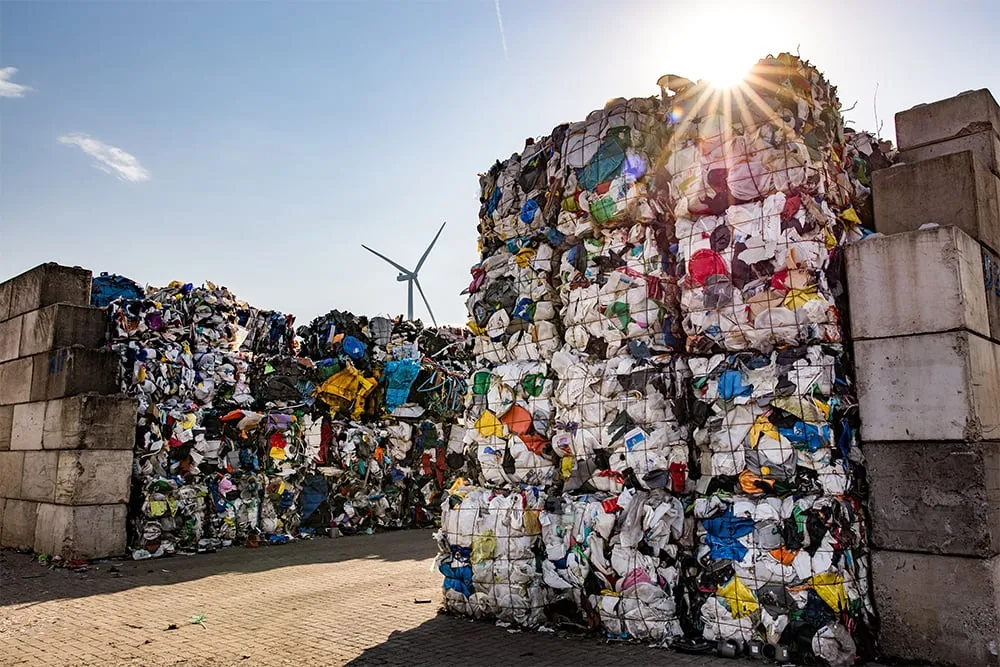
According to Herpoele, a second missed opportunity in the legislation is the lack of a safeguard for Europe’s recycling industry. “There is currently an imbalance between supply and demand. All plastics recyclers face competition from cheap virgin plastics on the one hand and cheap recyclate from Asia on the other. This leads to undesirably high stock levels, tying up a great deal of capital that cannot then be used to make the investments needed to scale up quality and capacity. The PPWR does not come into force until 2030. We expect demand to pick up sooner, which means investment in scaling up and improving quality will also be essential.”
“Growing and scaling up together”
So, all in all, does the PPWR tell a positive story? “Absolutely. It was a hurdle we had to overcome. We are enthusiastic about what is now on the table, and although it is not perfect, it is better than nothing,” says Herpoele with a smile. “We need more demand. As an industry, we are ready to meet it. We see huge potential to recycle more. So let’s grow and scale up together.”
Een zakelijke vraag aan Van Werven plastic recycling? Get in touch
Companies in this story
Keep following this
Get an email when a new story is published. No account needed.
- SubjectPlastic waste
- CompanyVan Werven plastic recycling







