Turning point for plastics recycling
Text Valérie CouplezImage iStock
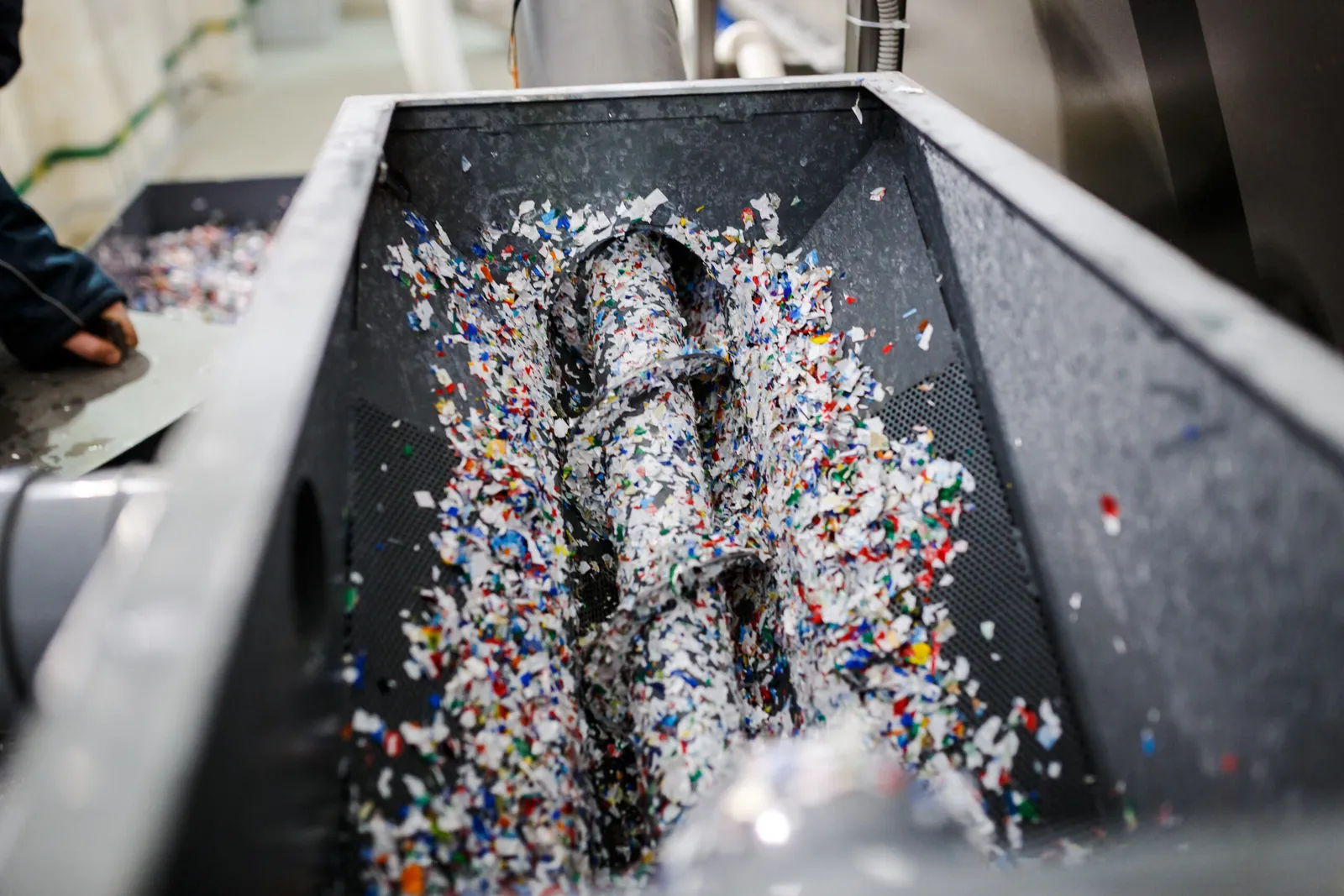
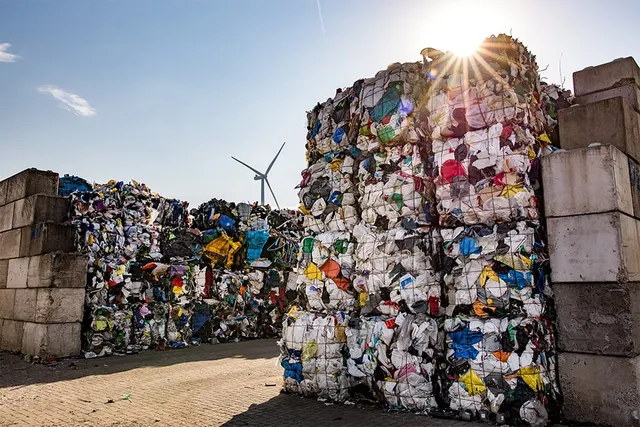
Europe’s plastics value chain is at a turning point. A deepening competitive crisis is stifling the industry, with serious consequences already being felt across the sector. By the end of 2025, the region is expected to have lost recycling plants, amounting to a loss of almost one million tonnes of recycling capacity compared with 2023. But the impact extends beyond recycling. In 2023, European plastics production fell by 8.3%, while its share of the global market has shrunk from 22% in 2006 to 12% today. This not only threatens the competitiveness of European industry, but also its ability to meet circular economy and climate targets.
In response, 28 leading players in the European plastics value chain have sounded the alarm in a joint letter to EU policymakers. They put forward six strategic recommendations (see box) to tackle the urgent problems stifling the industry, including low-cost imports, rising energy costs, legal uncertainty, administrative burdens and regulatory fragmentation. The signatories are calling for urgent action to level the playing field. Imports must be countered by stimulating demand for high-quality plastics made in the EU and preventing the influx of non-compliant materials. This requires robust mirror measures for imported virgin and recycled plastics and articles. Stricter customs checks and targeted incentives are also needed, such as increased investment in collection, sorting and recycling infrastructure, combined with fiscal incentives.
Strategic measures needed
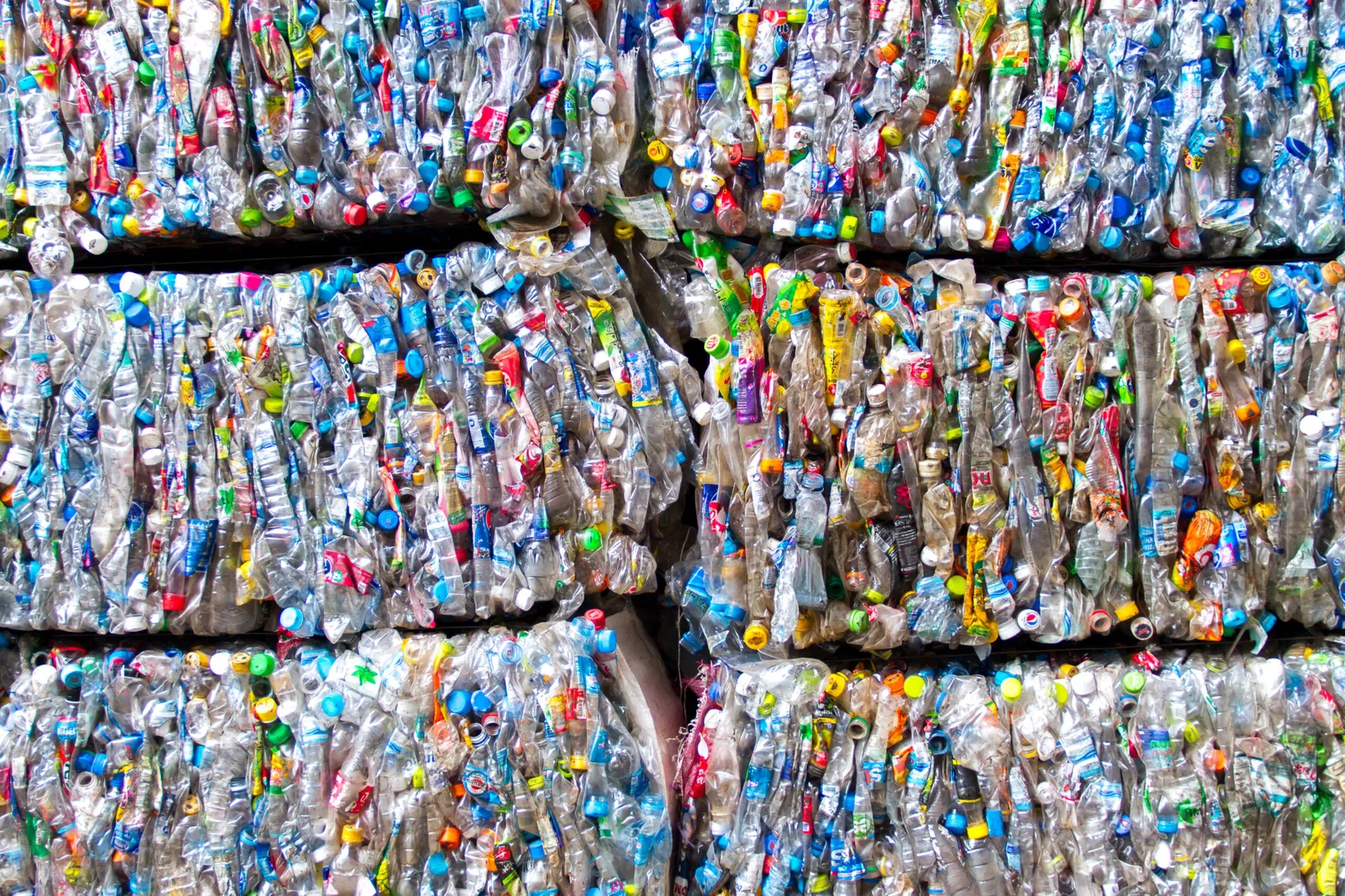
Demand for circular plastics across the value chain must be based on eco-modulated EPR fees that reward recyclability and the use of recycled material. EPR schemes must address market failures and follow consistent rules. The sector is calling for solutions to the economic pressures undermining its competitiveness, including access to affordable energy, as well as the effective implementation and enforcement of EU legislation in all Member States. Without urgent strategic measures, the ongoing recession will further reduce plastics production in the region and demand for these plastics and products, leading to even more bankruptcies and closures. Decades of investment in plastics innovation and circularity risk being lost, along with thousands of green jobs, putting the European Union’s environmental objectives at risk.
Time to act
These strategic recommendations are crucial to the survival of the entire European plastics value chain, but time to act is running out. The forthcoming restrictions on exports of plastic waste to third countries will reinforce the need for a strong internal market for recycled plastics. FEAD is urging policymakers to act without delay to protect this vital sector and support a strong, innovative and sustainable plastics recycling value chain in Europe. Without decisive action, Europe will suffer irreversible damage to its industrial fabric, its leading role in the transition to a circular plastics economy and its long-term global competitiveness.
Six strategic recommendations
The entire plastics value chain, including waste managers, recyclers, raw material producers and plastics processors, is putting forward a set of strategic recommendations to shape a forward-looking agenda that boosts industrial competitiveness, strengthens supply chain resilience and secures a sustainable, circular and innovation-driven plastics economy for Europe.
1. Level the playing field again: promote circular plastics made in the EU;
2. Reduce energy costs: strengthen and support circular plastics to compete globally;
3. Close loopholes in verification and enforcement;
4. Tackle fragmentation: implement and enforce the same legislation across Europe;
5. Break the deadlock: stimulate innovation and private investment;
6. Improve EPR systems for a fair circular market.
Question about this story? Ask your question
Keep following this
Get an email when a new story is published. No account needed.
- ThemeMaking plastics and packaging circular
- SubjectPlastic waste