Structural cost reductions can save plastics recycling in the Netherlands
Text VerpactImage iStock
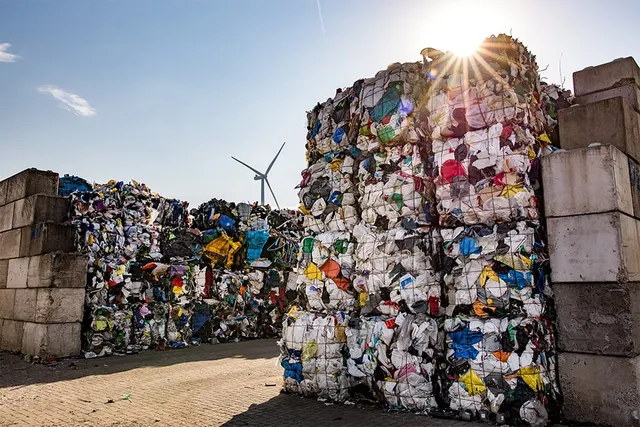
Bankruptcies are mounting, while European legislation such as the Packaging and Packaging Waste Regulation (PPWR) calls for greater use of recycled plastic. Without intervention, vital infrastructure for a circular economy will disappear, along with the Netherlands’ leading position in Europe in circular plastics. New research by Copper8, SD&Co, Verpact and Invest-NL shows that structural cost reductions are needed to make the recycling sector profitable and fit for the future.
For the first time, a system dynamics model has been used in the Netherlands to calculate the impact of various policy measures on the profitability of mechanical recyclers, CO2 emissions and the use of recyclate. The study covers household plastic packaging waste collected through the EPR scheme and mechanically recycled. It shows that Dutch recyclers cannot compete without structural cost reductions. Effective measures include a subsidy to cover the unprofitable portion of costs or tax incentives that give recyclers a level playing field with virgin plastic. In total, ten policy measures were assessed, including a CO2 levy, pricing measures, technological innovation and import restrictions. However, without structural cost reductions, these measures are not effective enough.
Causes: high costs and import competition
In 2024, seven Dutch recyclers went bankrupt. In 2025, several production lines were shut down. Dutch recyclers face high energy prices, stricter environmental regulations, relatively contaminated waste streams and comparatively high labour costs. At the same time, imports of cheap recycled plastic from countries including China and the US are increasing. As a result, Dutch companies can barely compete, even as investment in quality and circularity is urgently needed.
Without action, the sector will disappear
Although cost reductions are crucial, other conditions are also important for a healthy recycling market: greater demand for recycled plastic, better-quality waste streams and technological innovation to increase yields. A coherent package of measures is needed, with cost reductions as its foundation. Preserving a strong Dutch recycling sector is a political choice. Without government intervention, the sector will shrink, and jobs, expertise and circular infrastructure will be lost. This also puts the implementation of European legislation and climate targets at risk. Long-term funding delivers immediate benefits: lower CO2 emissions, a fairer playing field and the opportunity to build a robust circular economy in the Netherlands.
The need for a Delta Plan for Circular Plastic Packaging
For years, the Netherlands ranked among Europe’s top 3 for plastic production and recycling. That position is now under severe pressure: 3 million tonnes of production capacity have been lost in three years, partly as a result of bankruptcies affecting more than ten recyclers. The Plastictafel’s call is clear: put policies in place to retain investment and capacity in the Netherlands, and discuss with the sector what is needed to achieve this. Keeping the recycling market going therefore requires more than subsidies alone. This underlines once again the importance of the Delta Plan for Circular Plastic Packaging, presented by Verpact to the Circulaire Plastictafel. Since the Plastictafel was established, 20 brand owners and retailers have so far made commitments that go beyond legal requirements. These collective commitments represent an annual commitment to use around 115,000 tonnes of circular plastic in the Netherlands and EU, starting this year. This will cut CO2 emissions by approximately 265 kt per year. Commitments for the years after 2026 are higher.
- Circular Plastic Bank: To support these pledges, Verpact is working on the Circular Plastic Bank, which will provide a transparent framework for the availability and quality of circular plastic. Other producer responsibility organisations can of course join the initiative, enabling even more plastic to be made circular.
- Expansion of fee differentiation: The existing fee differentiation scheme will be expanded into a more dynamic system, in which greater use of recyclate leads to greater financial incentives.
- Innovation programme: We also have a role to play where supply and demand do not yet come together automatically. In these cases, innovation in design, collection, sorting and/or recycling is needed. The innovation programme addresses this and is already coordinated by Verpact.
There is no time to lose in regaining the Netherlands’ position in circular plastics and laying the foundations for a strong, future-proof and sustainable plastics value chain.
Question about this story? Ask your question
Keep following this
Get an email when a new story is published. No account needed.
- ThemeMaking plastics and packaging circular
- SubjectPlastic waste