Reducing the mountain of plastic waste in hospitals
Text Valérie CouplezImage Greencycle & Select4Care
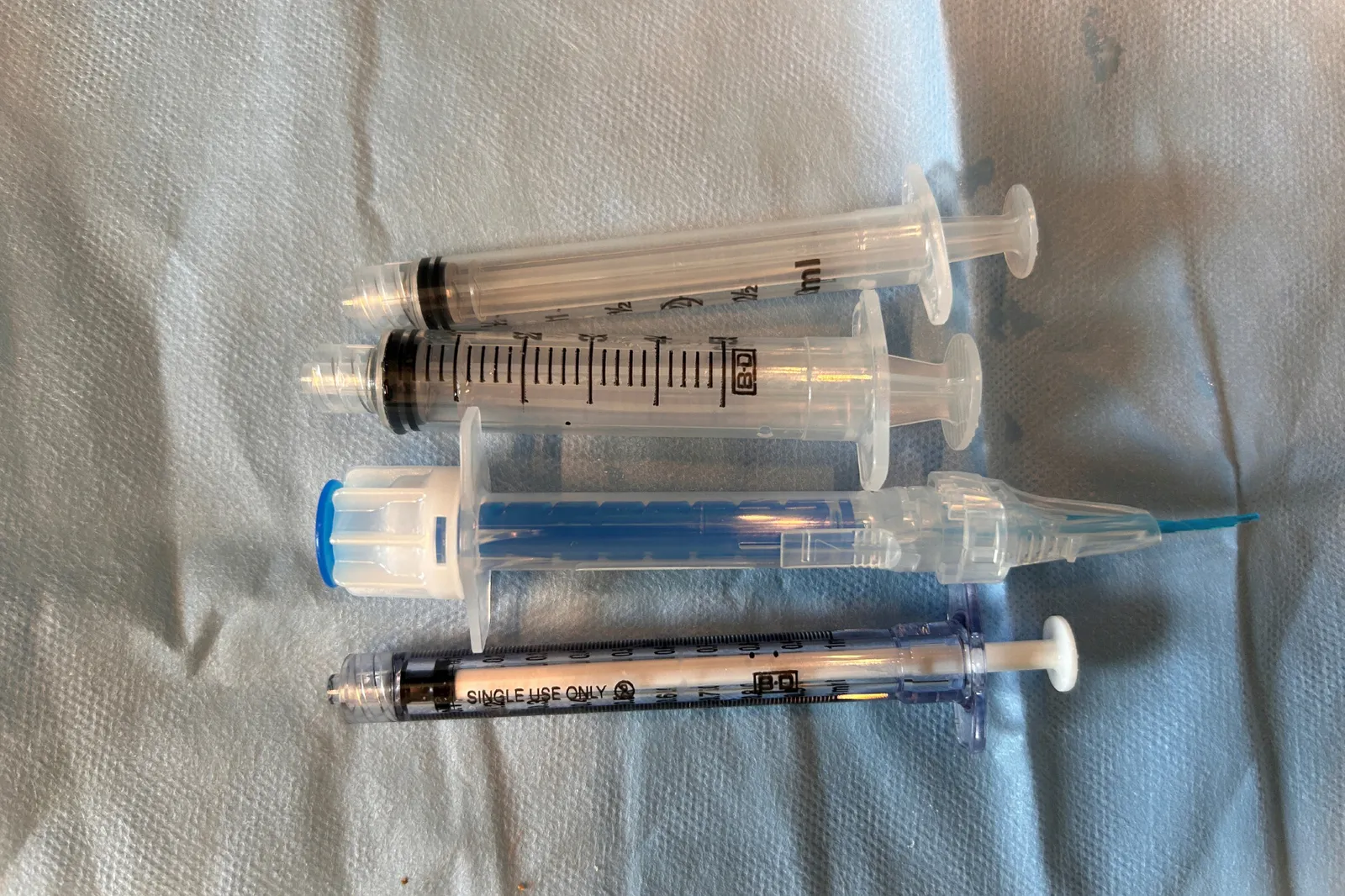
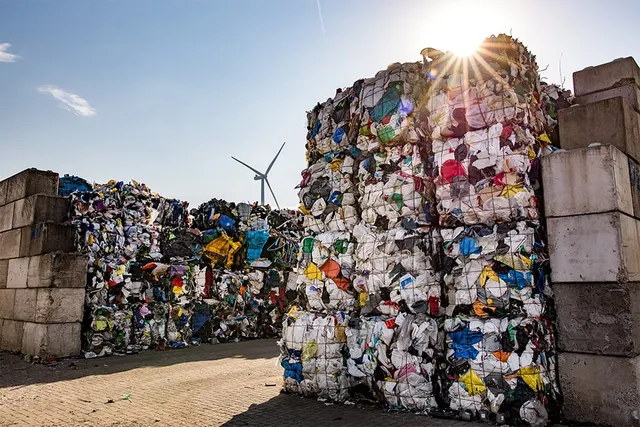
Hospitals are sitting on a mountain of waste. Today, it all ends up in the incinerator. Partly because the law requires it (for risk-bearing medical waste), and partly because hospitals do not know what else to do with it. The Select4Care project aims to change that. Vlaams Instituut voor Logistiek (VIL) is joining forces with Denuo, the Belgian federation for the waste and recycling sector, to develop a circular solution for single-use plastic materials. To that end, it is bringing the entire value chain together in Select4Care. A concrete pilot project with a cross-border dimension is due to demonstrate the potential later this year.
Although VIL is leading the project, the idea came from Inge Dewitte of Denuo. “The VinylPLus Med project, which collects PVC waste from hospitals in Flanders, Brussels and Wallonia for recycling, showed me just how much support there is among staff for initiatives like this. They themselves want to sort and recycle more. But the challenges in a hospital environment are considerable. First, there is little space for waste containers, both on the wards and in the waste storage areas. Hospital waste streams are also diverse and fragmented. That calls for a system like our blue bag, which can take all plastic waste and is collected very frequently, so that the hospital does not become a recycling centre.” Sorting is not straightforward either. On the one hand, products themselves are not standardised. On the other, there is sometimes no time for it when lives are at stake.
The entire value chain
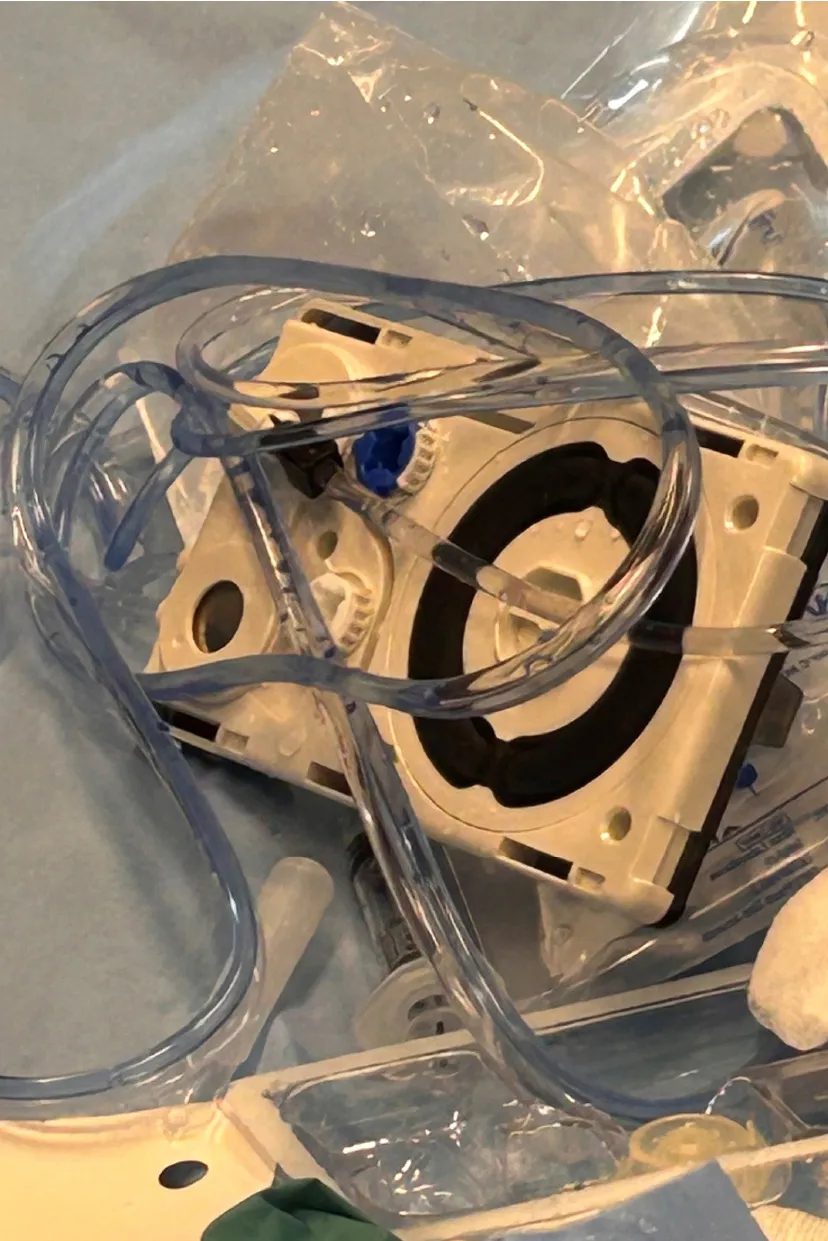
“That is why it was important to bring the entire value chain to the table if we want to increase recycling rates,” Dewitte continues. “There are real challenges on the materials side: each manufacturer has its own design, often combining several types of plastic. As well as recycling companies specialising in conventional mechanical separation and social economy enterprises that can handle dismantling, we have therefore invited companies involved in chemical recycling.” In the long term, ecodesign will also need to be considered to enable high-quality recycling. “Hospitals can be a real catalyst in this respect. If recyclability becomes a criterion in their tenders, they can help bring about these changes sooner.”
Joining forces
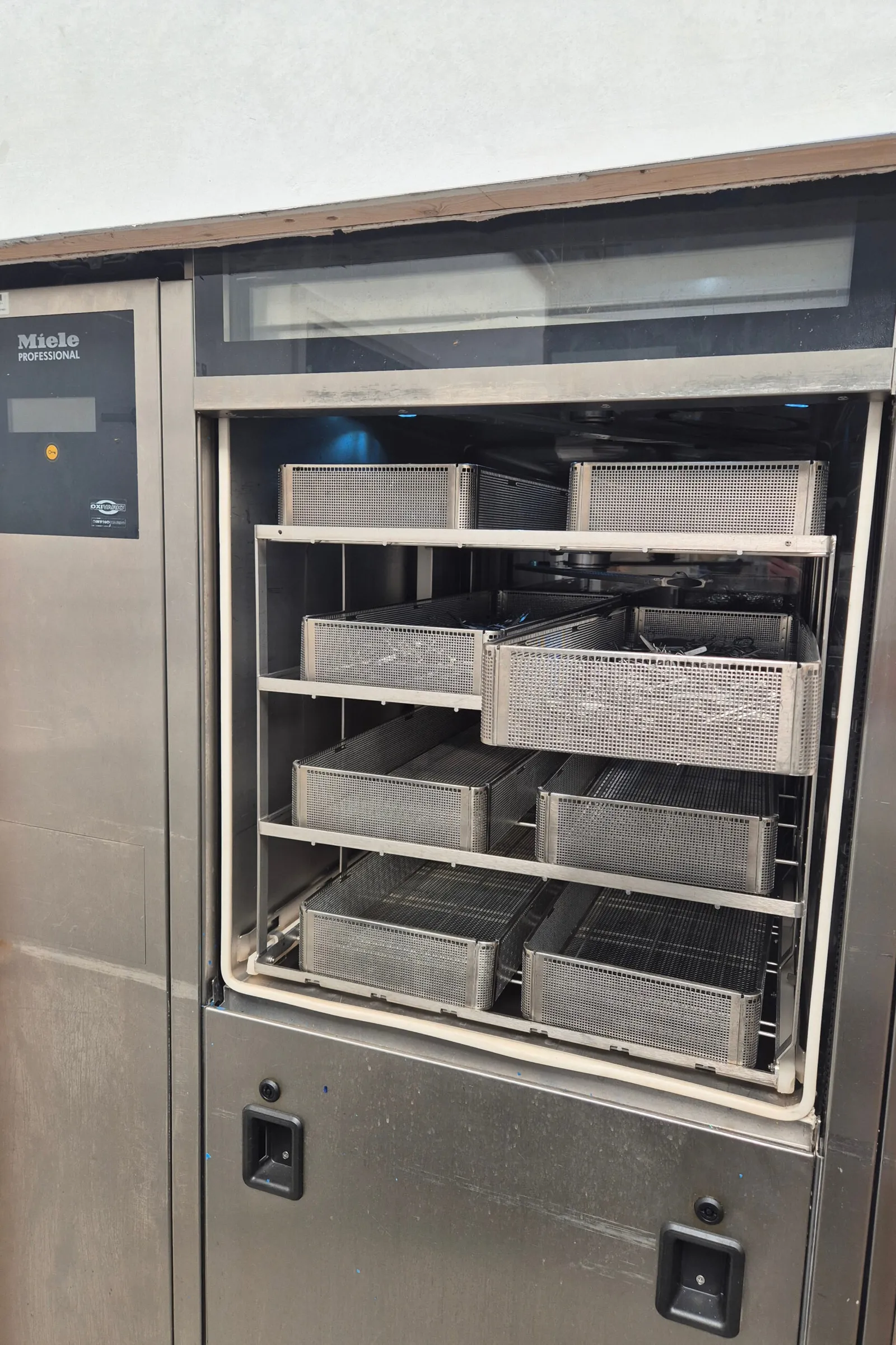
However, Select4Care’s main aim is to prove that the mountain of waste can already be reduced today through a pilot project bringing together collection, dismantling and processing. “We found inspiration in the Netherlands,” says Dewitte, “and joined forces with Greencycle. They collect metal instruments and have a washing system for decontamination.” Although this is non-risk-bearing medical waste, some contamination is difficult to avoid. Dewitte gives the example of an infusion bag with a little medication still left at the bottom. “Although this poses no danger, you do need to respect occupational hygiene in the social enterprise. A decontamination step is therefore needed before manual dismantling can begin.” Select4Care wants to test whether the same approach can work just as well for single-use plastics. “The washing system operates at 95 °C. Most plastics have a higher melting point, but this could be a challenge for some types of PVC with a melting point of around 80 to 85 °C.”
Pilot at two hospitals
For the project, single-use plastics from the operating theatres of two hospitals will be collected over a period of around two weeks. They are Maasstad Ziekenhuis (Rotterdam) and Ziekenhuis aan de Stroom (Antwerpen). “The operating theatre is definitely a hotspot for waste. The waste will be collected in special bins, which will carry sorting instructions to make clear what can and cannot go in. There is, for example, no recycling solution for gloves yet, so they cannot be put in the bins for now.” The collected waste will then be taken to the washing system, after which it will be ready for dismantling and further recycling. “First, we want to find out exactly what is in this waste: which plastics, and in what volumes … We do not have this data yet, because hospitals’ purchase invoices are not detailed enough.”
Scale is needed
The second step will be an economic assessment. “It goes without saying that this initiative will need to operate at scale to become fully viable. That is why the data are an important first step in determining how we can expand and scale up the project to achieve a circular solution. Closing the loop completely is difficult: a recycled infusion bag will not become another infusion bag, but other applications can be found within hospitals, for example plastic wall cladding. Legislation will also need to change. Simply stating in legislation that medical waste can be considered for dismantling and recycling, or recognising a decontamination process, would already be a step in the right direction,” Dewitte concludes.
Question about this story? Ask your question
Keep following this
Get an email when a new story is published. No account needed.
- ThemeMaking plastics and packaging circular
- SubjectPlastic waste