How can we save plastics recycling?
Text Valérie CouplezImage iStock
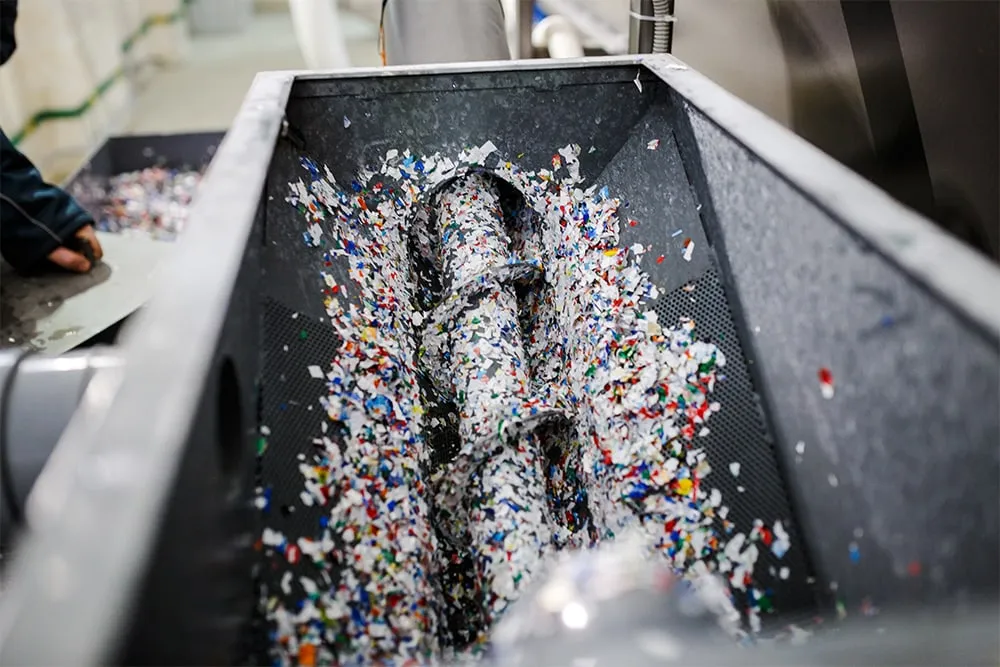
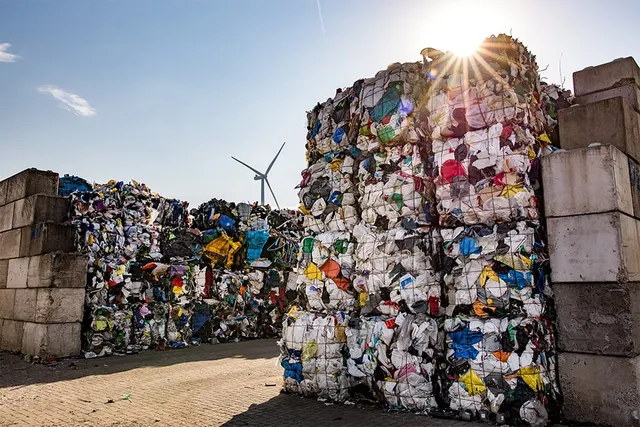
Productivity in the recycling sector is also under severe pressure. One of the sectors facing fierce competition from the Far East is plastics. Many companies in Belgium and the Netherlands are struggling to stay afloat as they contend with cheap virgin plastics and cheap recyclate. Several appeals earlier this year have so far fallen on deaf ears. One of the voices heard in the public debate was that of Caroline Van der Perre, CEO of West Flanders-based recycling company Raff Plastics.
Low oil prices are a thorn in the recycling sector’s side. The oil market is typically driven to a large extent by the balance between supply and demand. In 2024, global demand was set to grow by 1.3 million barrels per day. That may seem like good news for pushing up prices, but it represents a clear slowdown from growth of 2.3 million barrels per day in 2023. At the same time, supply is expected to increase by 800,000 barrels per day this year. Experts therefore expect the equilibrium oil price to fall by $10 to $15 per barrel, driven by a flattening cost curve and lower demand.
Competition from recyclate
For now, the recycling sector cannot count on oil prices rising again. Virgin plastics will therefore remain just as cheap. China has also noticed that Europe is introducing more and more obligations to recycle plastic, and that there are opportunities to capture market share. Much of our waste is currently shipped there to be turned into recyclate, just as it is here. But unlike recycling companies here, those in China benefit from much lower energy prices and labour costs. The European plastics recycling industry is unlikely to win this battle either, even with the recycled-content requirements for plastic packaging due to come into force from 2030 (35%) and 2040 (65%).
“At odds with European ambitions”
Despite all the talk of building a circular economy, the price of recyclate has halved compared with 2022. “This is at odds with Europe’s ambition to become circular. If that is the aim, then don’t allow cheap material from Asia to flood the European market, when we do not even know whether it really is recyclate or under what conditions it was made,” Van der Perre told De Standaard. “We should be growing in order to meet the recycling targets, but everyone is now hitting the brakes. This is undermining all efforts in the field of sustainability. We cannot keep this up for much longer.”
Europe must act
If we do not want the plastics recycling industry here to disappear before the circular economy is running at full capacity, supportive policies will be needed. There is no shortage of options. The new European Commission could bring forward the recycling targets, for example, although that seems unlikely given that the entire European industrial ecosystem is under pressure. A second option would be to provide further clarification about the origin of the recyclate or the required quality. This could allow the investments recycling companies have made in recent years to increase processing capacity and deliver higher quality to generate returns after all. A third option on the table could be the introduction of a CO2 tax. This would limit competition from virgin plastics. It is now up to Europe to save its recycling industry.
Question about this story? Ask your question
Keep following this
Get an email when a new story is published. No account needed.
- ThemeMaking plastics and packaging circular
- SubjectPlastic waste