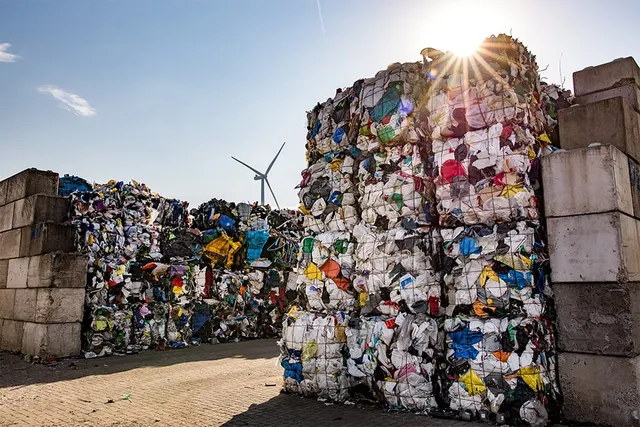
Growing recognition of plastics recycling is heartening
Text Saar BenteinImage Raff Plastics
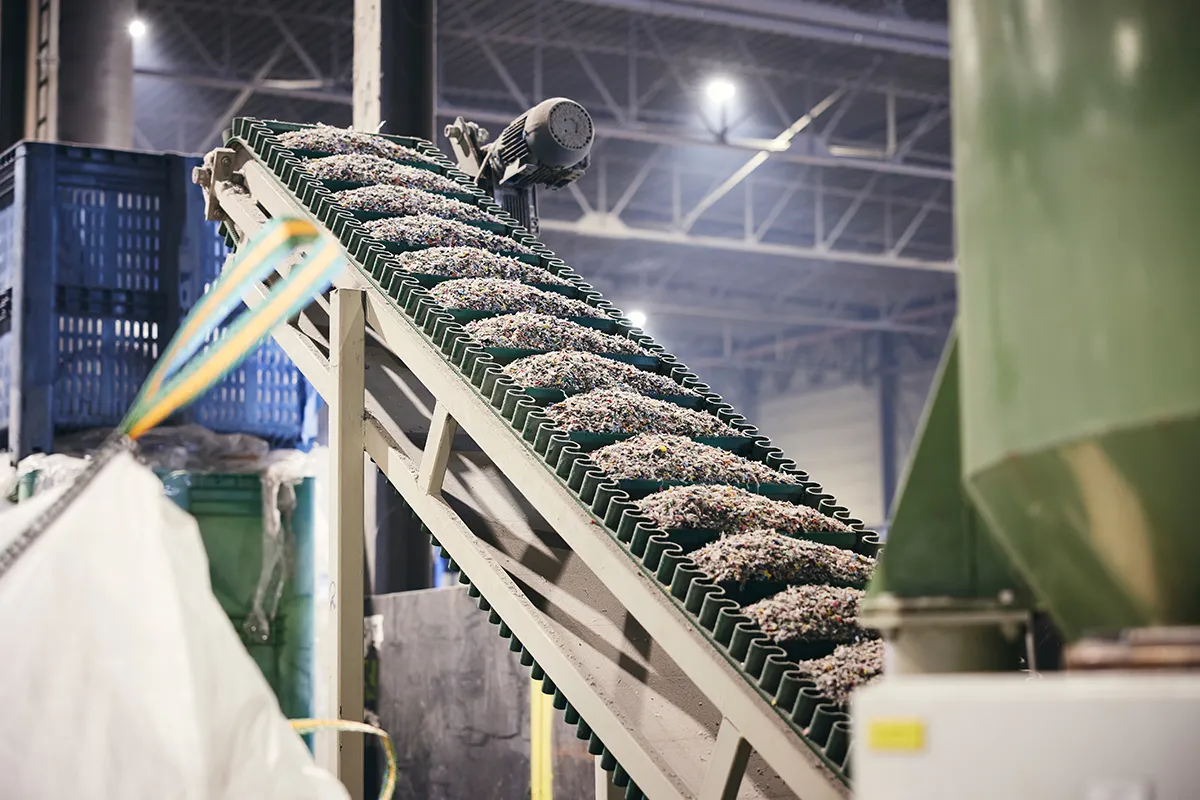
Raff Plastics can draw on almost 50 years of experience in plastics recycling. Today, as a family business, it plays a leading role in the circular economy. “Although our sector is currently under pressure, we are determined to keep innovating,” says Caroline Van der Perre. She takes us back to the early days and looks ahead with an open mind.
Raf Van der Perre, Caroline’s father and the company’s founder, showed remarkable enterprise and resilience when a devastating fire in 1981 left him facing a major financial setback. Demand for PVC compounds and granules nevertheless remained. “My father could no longer afford expensive raw materials, so he collected waste from PVC manufacturers. He turned that waste into new raw materials. In doing so, without quite realising it, he laid the foundations for our growth as a pioneer in plastics recycling,” says Van der Perre.
A strong growth story
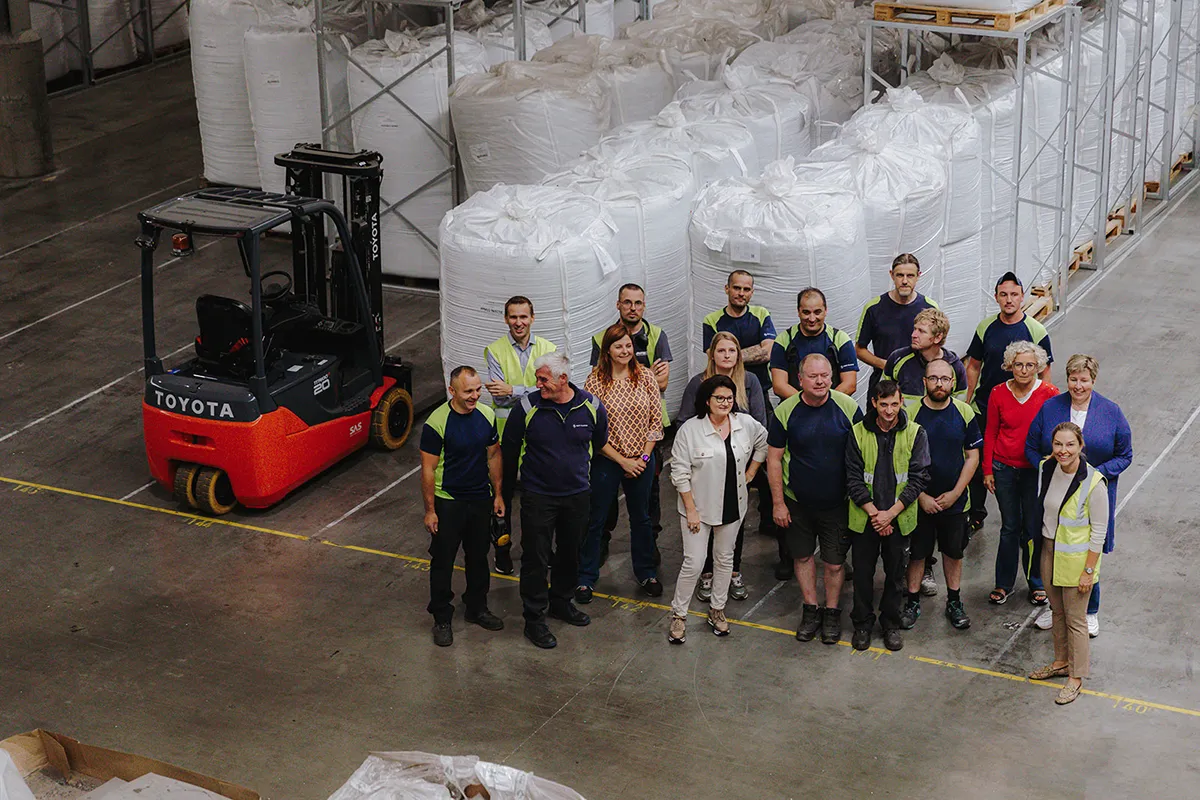
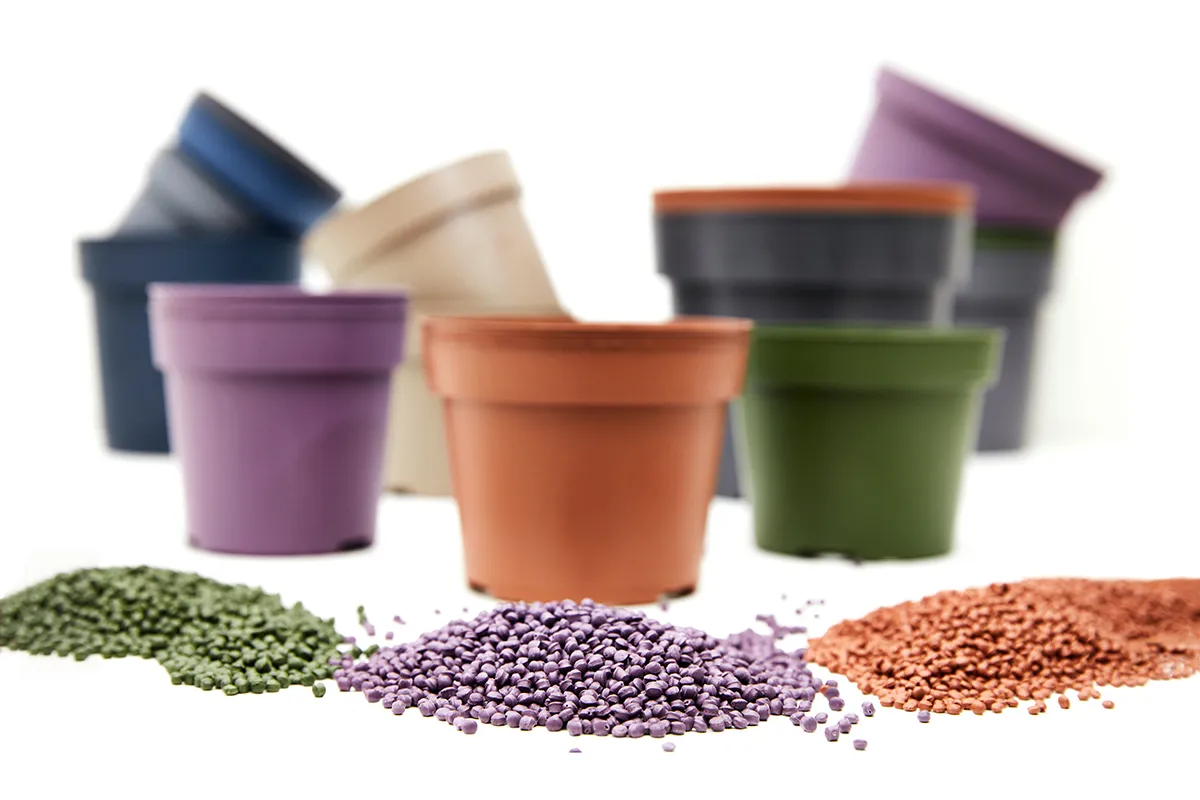
Raff Plastics has grown impressively over the past two decades. Moving from Londerzeel to Houthulst gave the company a significant boost. “Recycling requires space. We started out in Houthulst on an industrial site of 11,000 m², and now we use 80,000 m². In the near future, we want to expand our recycling capacity by a further 5,000 m²,” says Van der Perre. Since 2012, when Van der Perre and Christophe Dehouck took the helm at Raff Plastics, the focus has shifted to post-consumer waste. “Whether it is industrial packaging waste or household waste, our core business remains the same: what comes into our factory as waste leaves it as a raw material,” says Van der Perre. She stresses that they always tailor their work to the customer. “We want to be a key player in the circular economy. Partnerships are essential to keep everything running smoothly. At our company, customers and suppliers sit down at the same table. Where does the waste come from, and where do the granules go? If you want to work in a truly circular way, you have to create transparency.”
A volatile market
Van der Perre is concerned about the volatility of the market in which the company operates. “Everyone talks about the circular economy, especially in Europe. But how do they expect to achieve that vision when the market is flooded with cheap plastics from America and Asia? That puts enormous pressure on the margins of companies like ours,” says Van der Perre. “We welcome the attention legislation gives to circularity, but sometimes it does not fit well with reality. If we want to remain competitive, 2030 is already too late for the use of recycled materials. The ban on exporting plastics by 2027, meanwhile, is too soon. There is not enough capacity to process everything locally today,” she adds. “2027 is going to come around very quickly.” Van der Perre stresses that the market is too dependent on decisions made by prime producers, which increases volatility. Nevertheless, she remains determined: “Despite the challenging conditions, we are determined to keep growing Raff Plastics. Because our waste deserves a second life.”
Greater recognition
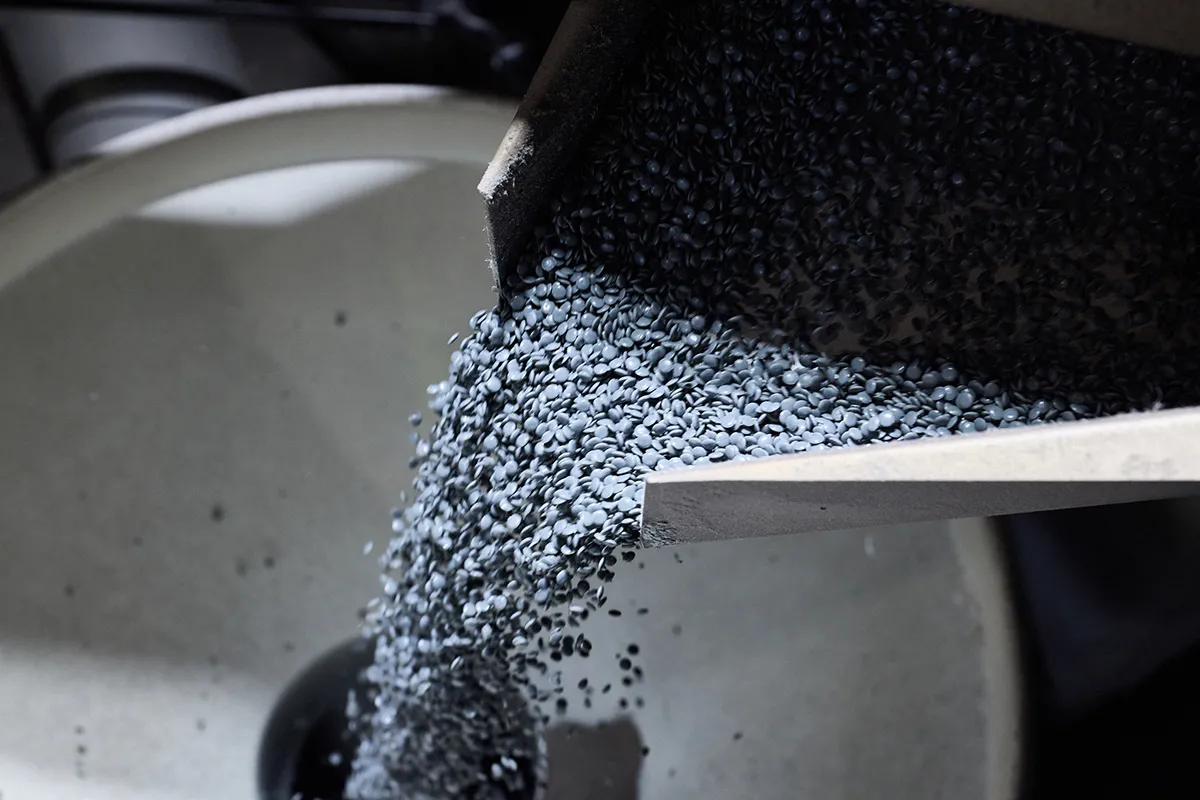
One important development is the growing recognition of the importance of recycling. “Plastic recycling used to be seen as inferior. Today, recyclate is a selling point,” says Van der Perre. She also points to the impact of the sustainability transition. “You see it everywhere. Consumers want their plastic products to be recycled. Jobseekers are paying more attention to sustainability and the circular economy when choosing a job. And the sector is becoming increasingly professional. After years of fighting a negative image, the tide is turning. And rightly so: our sector creates value and, in doing so, benefits society.”
Question about this story? Ask your question
Keep following this
Get an email when a new story is published. No account needed.
- ThemeMaking plastics and packaging circular
- SubjectPlastic waste