Near-perfect traceability of commercial packaging waste
Text Valérie CouplezImage Valipac
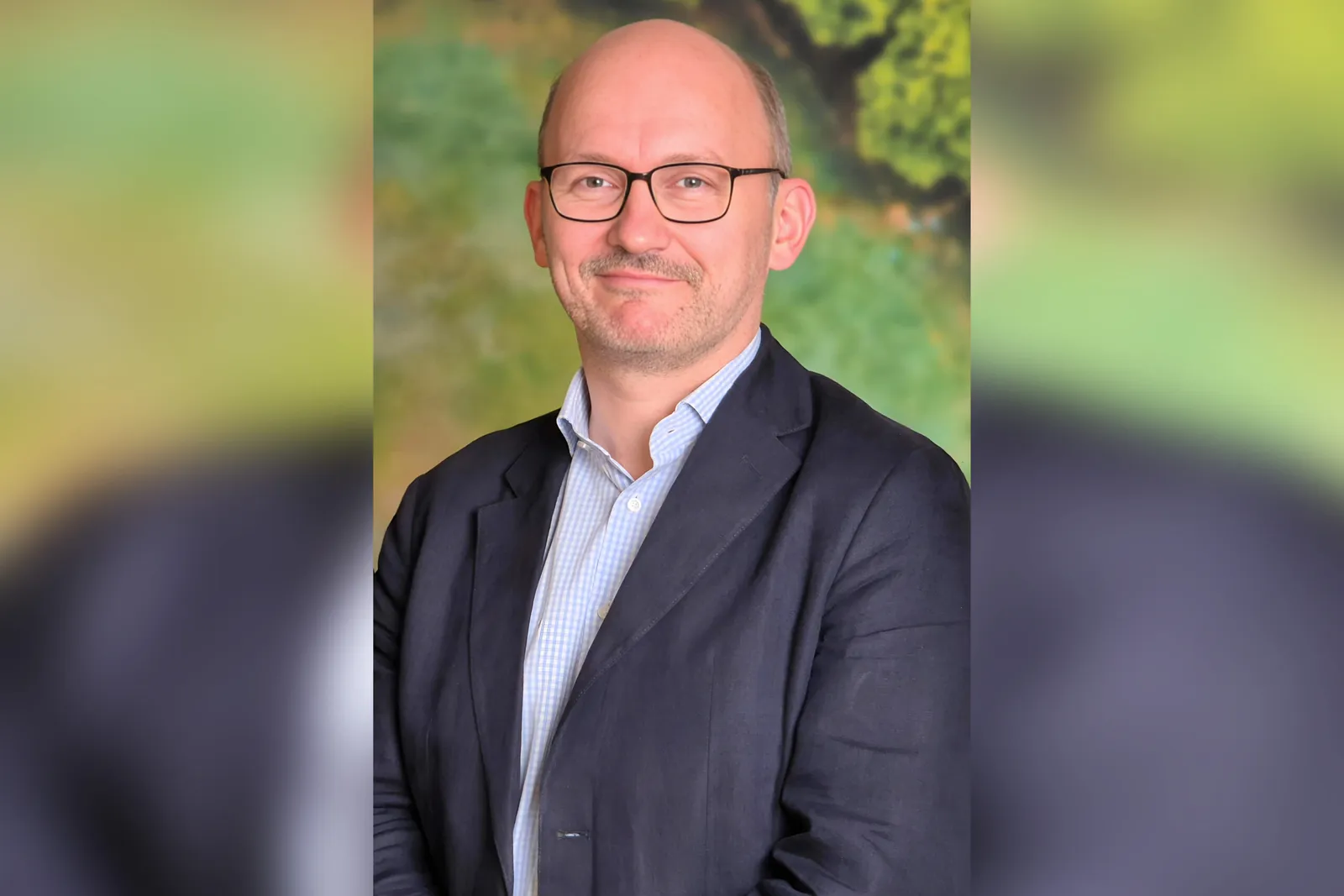
Valipac publishes figures on the traceability of commercial packaging every year. This year, too, it has an exceptionally clear picture of what happens to the waste. Xavier Lhoir, deputy managing director of Valipac, talks us through the key results for paper and cardboard and plastics, and gives us the broader picture as a raft of new legislation approaches.
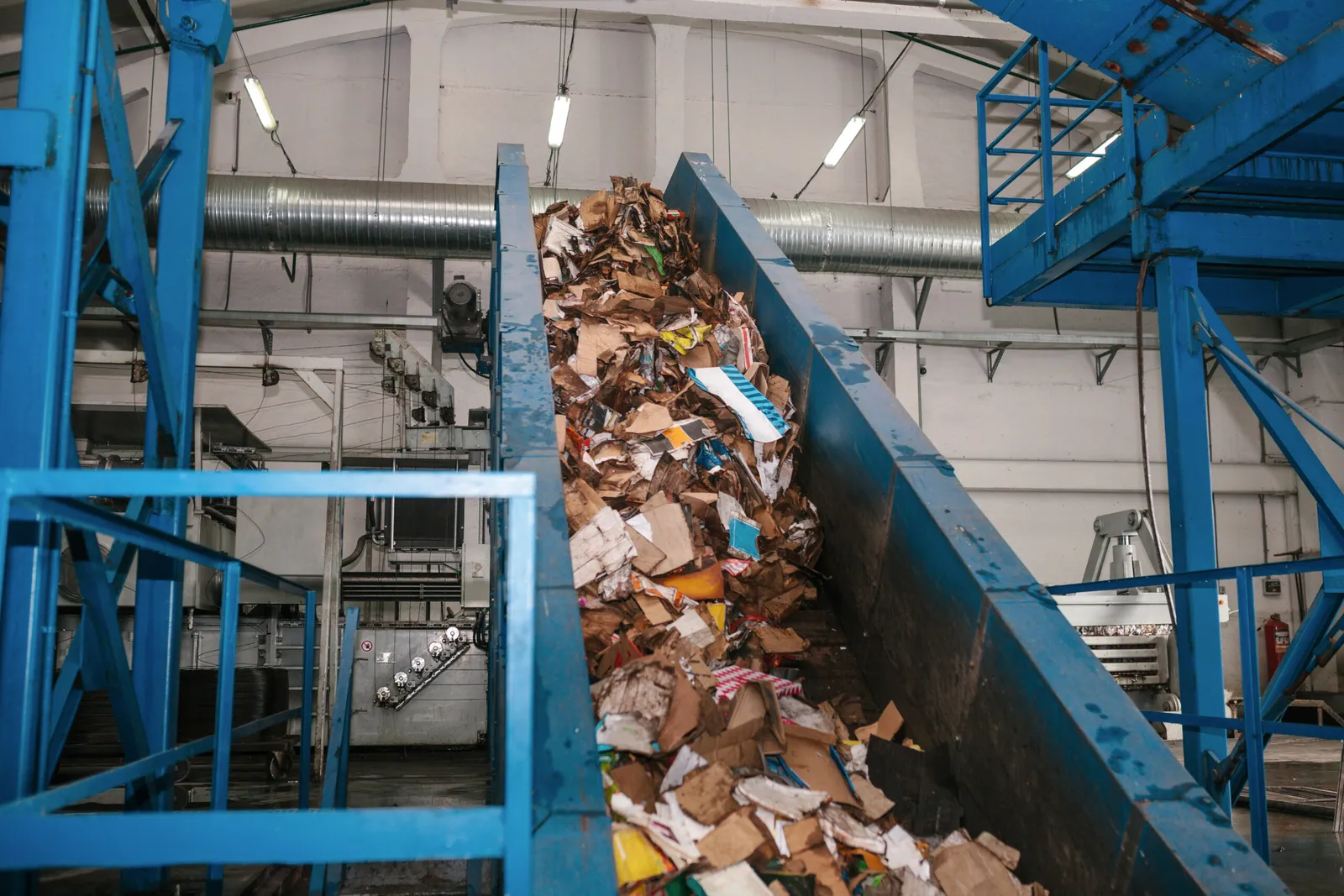
Valipac knows where 98% of the cardboard collected from businesses here ends up. “In total, that is 472,000 tonnes going to 131 unique destinations. We have performed just as well as last year. But we are seeing some shifts. For example, 2.6% more stayed within Europe. This increase came mainly at the expense of the volume that would otherwise have gone to Asia (-2.1%). The reason is not hard to find: it is all linked to the evolution of e-commerce,” says Lhoir.
Shift towards Turkey
Valipac carried out the same analysis for plastics. “Here, too, we can trace 98%, or 69,000 tonnes, of the packaging waste collected. We are missing data mainly from smaller players. One positive trend in the figures is that a greater volume is going for recycling than in 2023. The situation in Europe remains stable for now. However, we have seen Turkey gain popularity as a destination. Due to changes in legislation in Asian countries, 6% more is now going to Turkey.” Lhoir is referring to the new permit procedure in force in Malaysia and the conditions Vietnam now attaches to imports of recyclate. “There is a lot of movement at the moment. The global economy is changing.”
Impact of export ban
But European legislators are also taking action. “Europe aims to create a legislative framework that keeps plastic waste, which is essentially a source of new raw materials, here. The export ban on plastic waste to non-OECD countries, which comes into force in November 2026, is one of the cornerstones of that strategy. We expect to feel the first impact as early as spring, unfortunately resulting in higher processing costs. This is happening in a market where things are already very difficult for plastics recyclers: virgin plastics are currently extremely cheap due to low oil prices. Recycling companies cannot compete with that. Their energy and labour costs have only risen over the past year. Without support, and without an obligation on businesses to use recycled content in their packaging, things will become even more difficult. That obligation will not come into effect until 2030, with the introduction of the PPWR,” Lhoir explains.
Pilot project with big bags
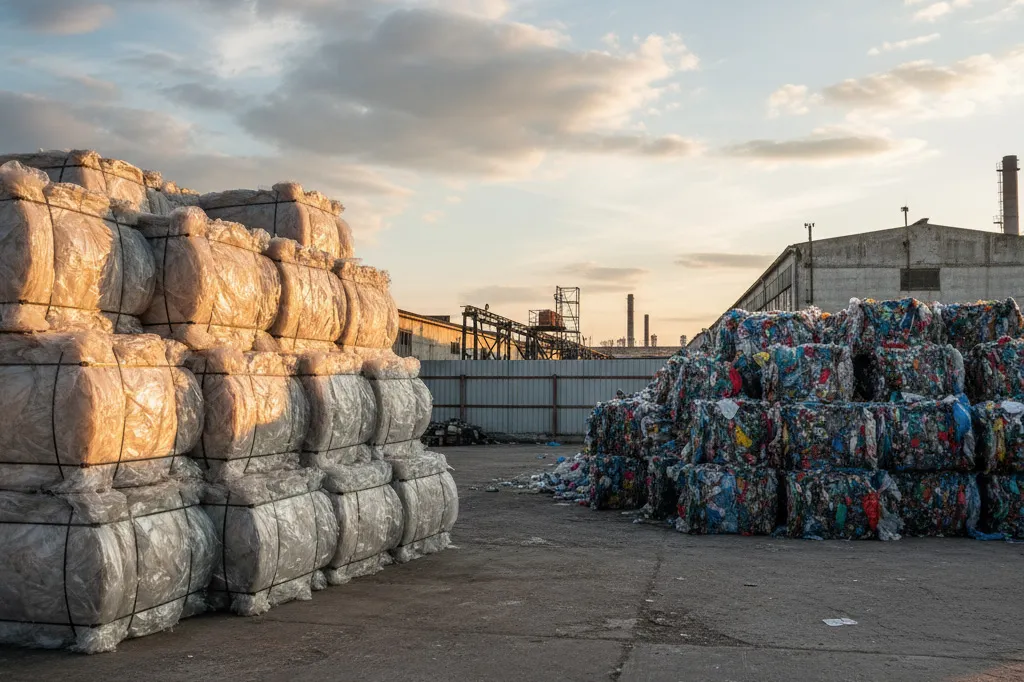
Lhoir cites the example of big bags. They account for 6,000 tonnes in the recycling figures. “94% is recycled in Asia. This material still has a small positive value, but probably will not next year. Where will those 6,000 tonnes go then?” Valipac has already sought an answer to this challenge proactively, working with the entire supply chain. “We contacted polypropylene recyclers, as that is the material big bags are made from, to find local recycling solutions. In the coming months, we want to run tests to find out how we can process the lower grades, which are currently exported, in a technically and economically viable way, and what financial support would be needed.”
Working together for a strong recycling industry
Valipac’s mission is clear. “If we want to meet our recycling targets, we need to keep our plastics recycling industry alive today. It will only be able to stand on its own feet once the PPWR comes into force and demand for, and therefore the value of, recyclate increases again. Otherwise, there is a great deal at risk of being lost here: if it costs businesses too much, they will stop making the effort to keep plastic streams separate. Yet high-quality recycling starts with good sorting at source. I firmly believe that the quality delivered by our recycling companies is among the best. We believe that further sorting will allow us to send more clear film for mechanical recycling. Valipac is also looking for recycling solutions for coloured films. By working together, we can achieve truly circular solutions,” Lhoir concludes.
Een zakelijke vraag aan VAL-I-PAC? Get in touch
Companies in this story
Keep following this
Get an email when a new story is published. No account needed.
- ThemeMaking plastics and packaging circular
- SubjectPlastic waste
- CompanyVAL-I-PAC