












Non-hazardous medical PVC waste saved from incineration
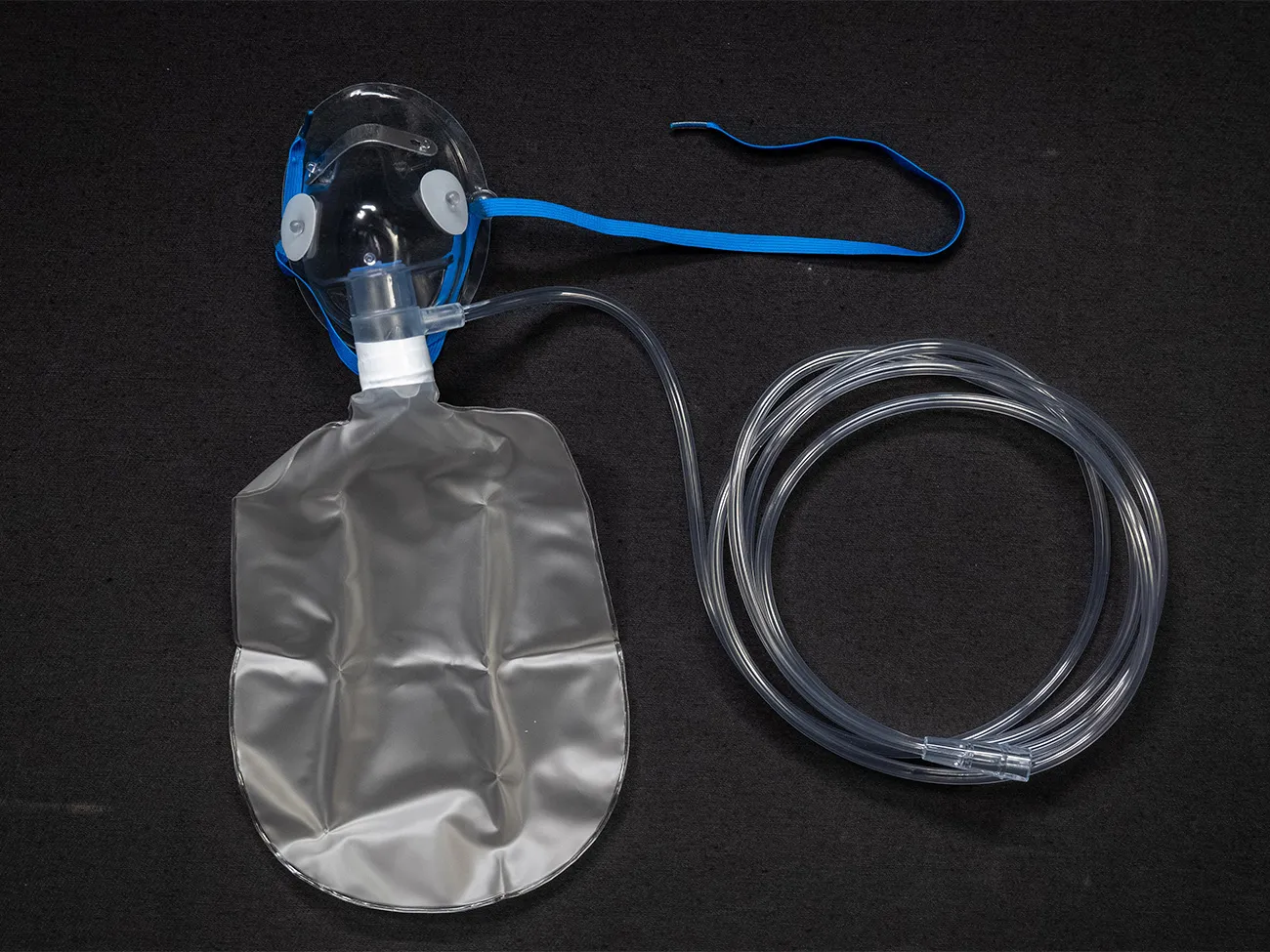
The medical sector in Belgium consumes around 3,500 tonnes of PVC for medical devices every year. Unfortunately, once used, this material currently ends up in an incinerator. Inspired by numerous initiatives abroad, VinylPlus® wants to work with partners Renewi and Raff Plastics to give non-hazardous medical PVC waste a second life.
Through VinylPlus®, the European PVC industry is committed to tackling challenges and seizing opportunities together in order to develop sustainably. The organisation has set itself three goals: accelerating the transition to a circular economy, sustainable production and decarbonising the value chain. “PVC is a polymer that can easily be mechanically recycled eight to ten times without losing its performance. That makes it a perfect candidate for trying to close the loop. This is especially true because, thanks to its properties, the material only needs to consist of a single layer for medical devices. That makes it easier to recycle,” explains Inge Dewitte, a consultant working for VinylPlus®.
Pilot project to demonstrate the potential
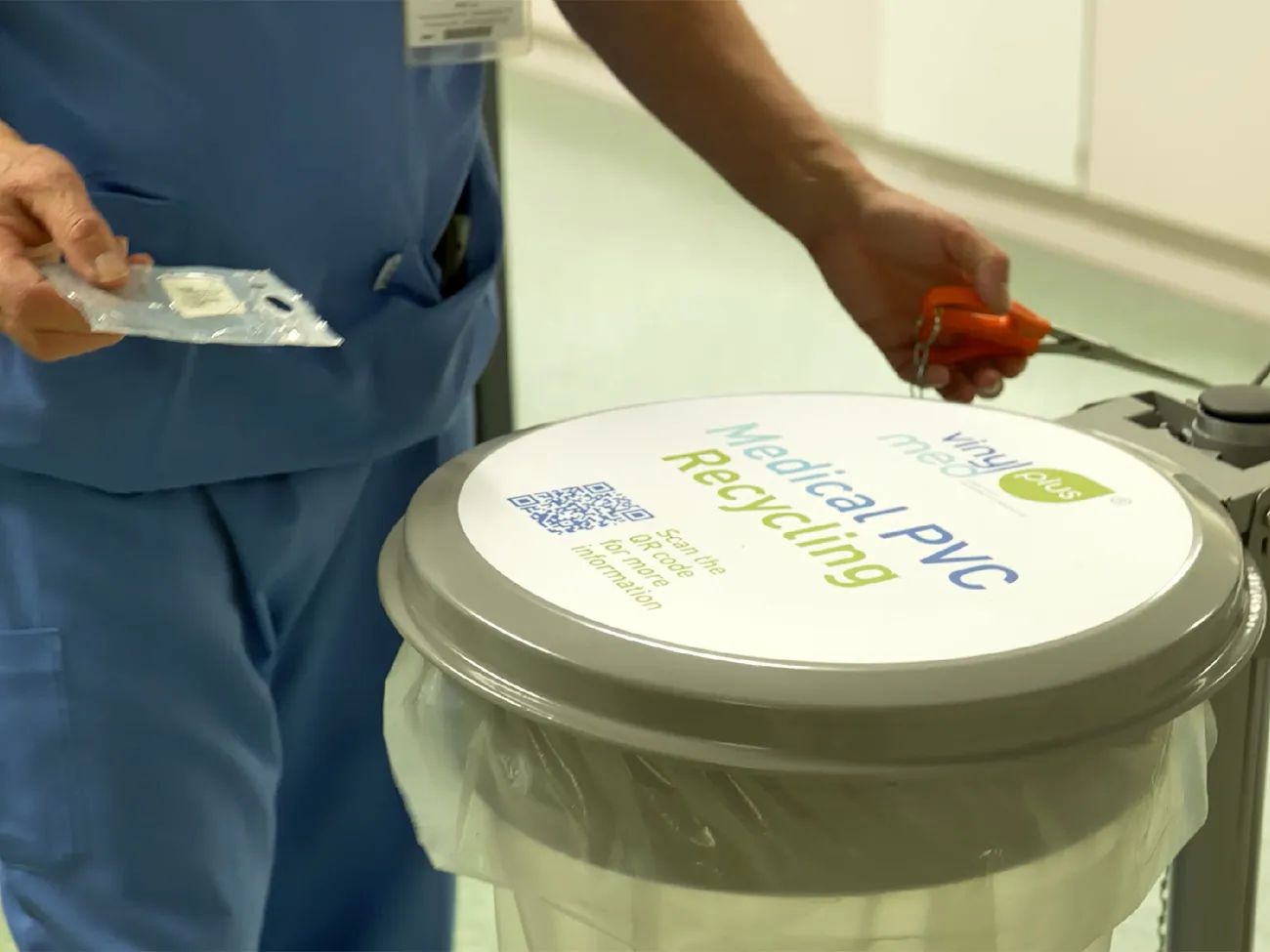
The new VinylPlus® Med project aims to give PVC used in medical applications a second life. “The potential is enormous,” says Vincent Stone, senior manager technical/environmental affairs at VinylPlus. “In Belgium alone, 3,500 tonnes of PVC are used each year for medical devices, often disposable items that are frequently thrown in with the rest of the hazardous medical waste without a second thought and sent for incineration. We now want to change that, together with Renewi and Raff Plastics. Through a pilot project in Belgian hospitals, we want to demonstrate that PVC can be collected separately and processed in compliance with REACH, so that it can have a second life in the medical sector.” The project therefore focuses on transparent PVC products that contain no phthalates and are easy to dismantle. These include tubes and tubing, blood and infusion bags, oxygen and anaesthetic masks, nasal oxygen cannulas and more. These disposable medical products will now be placed in specially designed waste bins with clear labelling.
All partners within a radius of 120 km
Initially, these VinylPlus® Med containers will be placed in operating theatres, emergency departments and maternity wards. Dewitte says: “A detailed study showed that most of these disposable medical products are used in these areas. The Europa hospitals will distribute around ten waste bins across these departments at its two sites.” Once full, the bins will be stored by the hospital close to the hazardous medical waste, but in separate containers. “During its collection round, Renewi will then collect both waste streams in a single trip. This avoids adding extra kilometres, which is good for the environment and the project’s viability. All the project partners are also within a radius of 120 km. Once Renewi has accumulated a sufficient volume of PVC waste at its site in Villerot, it will be sent to Raff Plastics to be processed into regrind and granules. This regrind and these granules can be used as raw materials for medical applications such as flooring and wall coverings, squeeze toys or yoga mats. The strict traceability requirements in the medical sector mean that it is not yet possible to close the loop completely through mechanical recycling. Chemical recycling would need to be considered, but that brings its own challenges,” says Stone.
Enthusiasm already high
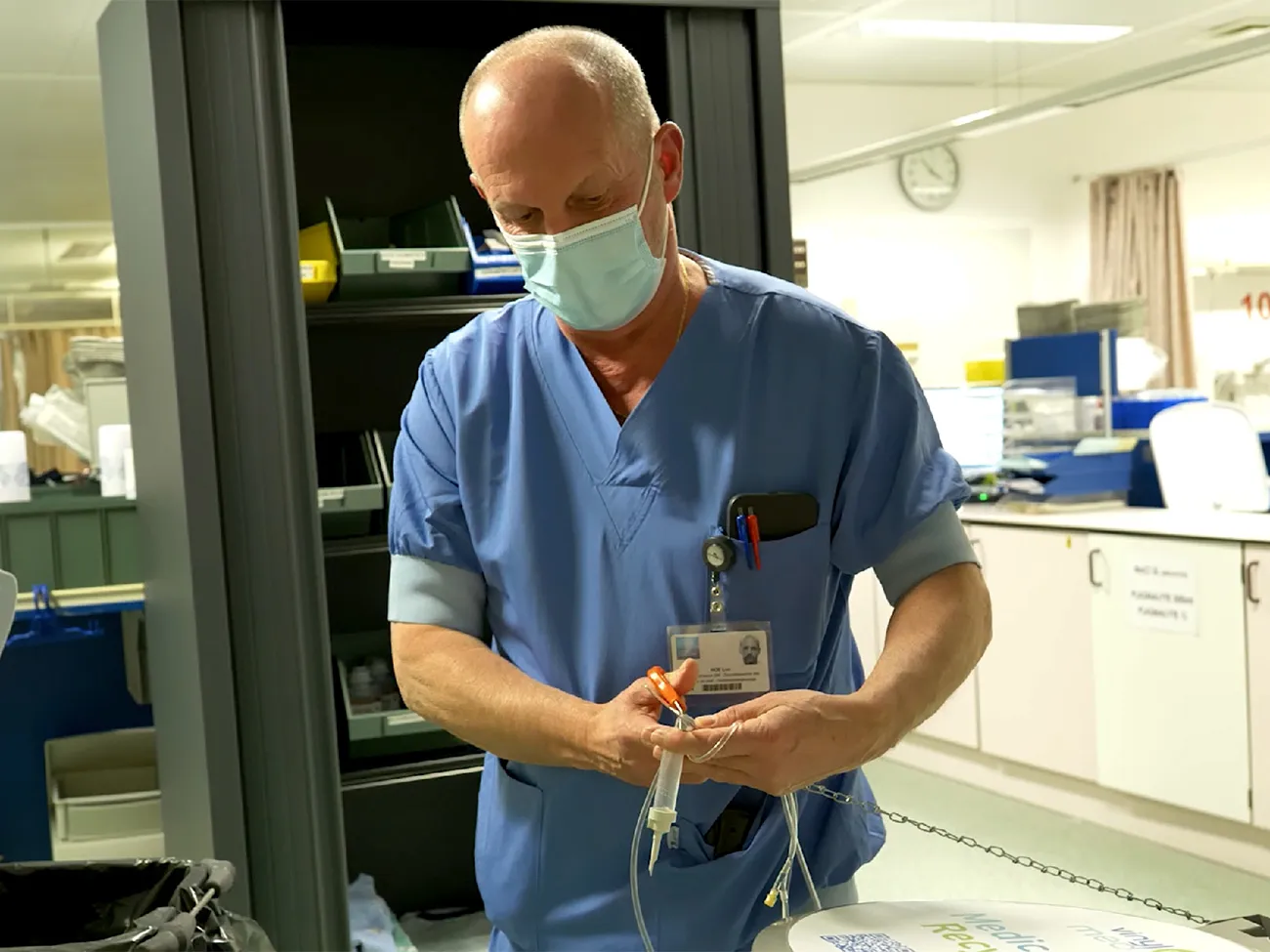
Although the project has only just got under way and the first staff training sessions on how to identify and dismantle the right products have already taken place, enthusiasm in the medical sector is already very high. Stone says: “Sustainability is high on hospitals’ agendas. They are now looking beyond just their energy and water consumption, to how they manage raw materials as well. This issue has come even further to the fore as a result of Covid19-. We have already received a great many requests from all regions to join the project.” But how are staff responding to all these additional guidelines and tasks? “With Europe and local authorities also focusing on sustainability, there is very strong support for thinking circularly. This is particularly true in hospitals, where a great deal of valuable material is still lost. During the demonstrations, staff spontaneously came up with additional ideas about which products could be collected separately. This shows that they think it is important too. Their feedback will be crucial to the project’s success over the coming months. We also want to pass this feedback on to manufacturers to make their products easier to recycle. Collaboration across the entire value chain is, after all, the key success factor in closing the loop,” Dewitte concludes.
Question about this story? Ask your question
Keep following this
Get an email when a new story is published. No account needed.
- SubjectPlastic waste







