












Improving tyre recycling
Text Valérie CouplezImage iStock
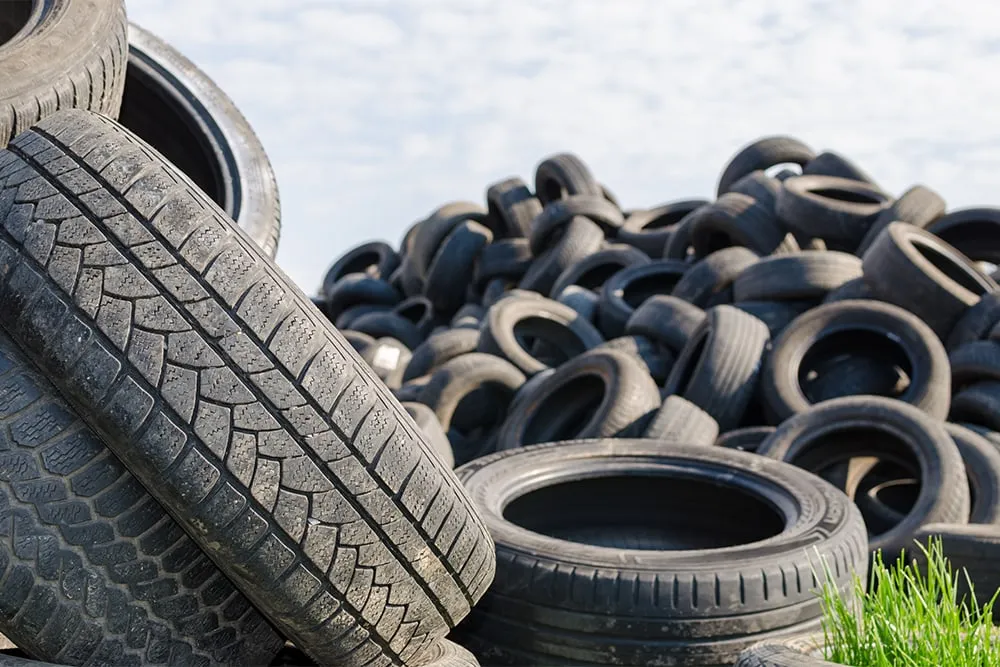
Tyres are not yet part of a circular story. On the one hand, demand for mechanically recycled tyres is under pressure and chemical recycling technologies are still in their infancy. On the other, we are not doing enough to promote reuse. The figures are even falling and remain well below the targets set. The next legislative term will therefore need to step up efforts to tackle the bottlenecks.
Recytyre’s annual report shows that 87,441 tonnes of waste tyres were collected in Belgium. Most of them are processed elsewhere in Europe into rubber granulate for applications such as playground mats, athletics tracks and infill for artificial turf pitches. This last market, which accounts for around 30% of sales of tyre granulate, will soon be closed by the EU. Recent legislation bans its use from 2031, following a number of transitional years, because of the release of microplastics. We therefore need to find new applications for our waste tyres.
More focus on reuse and retreading
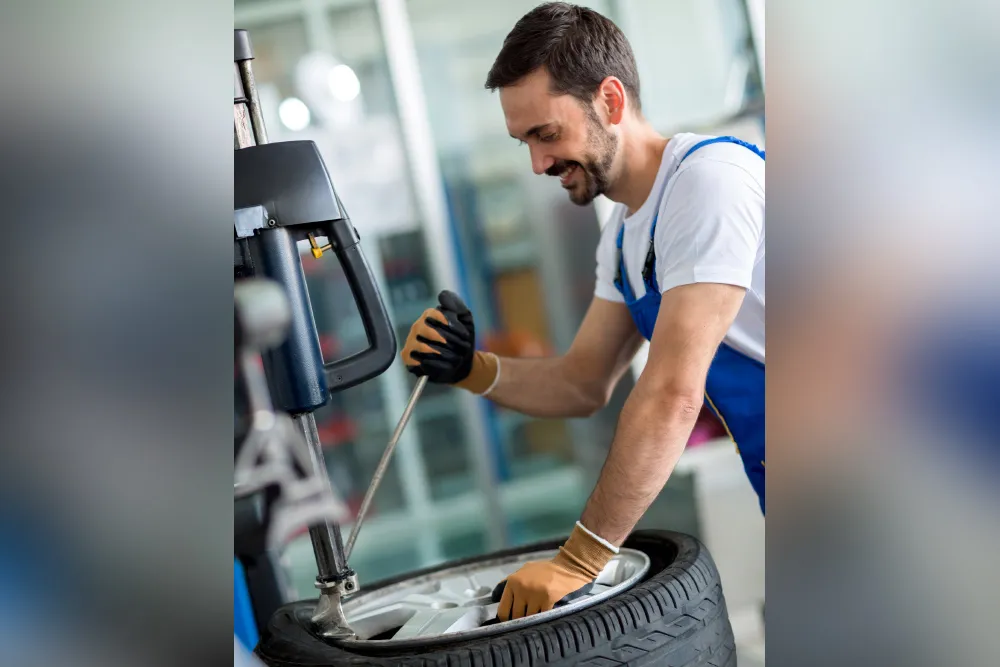
The first step is to extend the service life of tyres. Reuse and retreading, or remoulding, which involves mechanically fitting a new tread to a tyre with an intact casing, mean we do not need to replace tyres as soon. This would cut CO2 emissions by 60%: 70% less oil and 75% fewer other raw materials would be used, and 45 kg less waste would be produced. At present, these figures account for just 2.77% for reuse and 3.59% for retreading in total recovery, against a target of 10%. In 2014, the figures were still 9.28% and 6.49%, respectively. Increasing contributions for reuse and retreading is intended to encourage these practices more in future.
Finding new applications
A second way to make tyres more sustainable is to find new applications for the granulate. The fact that tyres were not included in the revision of the end-of-life vehicle legislation is certainly a missed opportunity in this respect. Setting mandatory recycled-content targets for rubber as well would undoubtedly have encouraged investment in innovative technologies to recover more raw materials from tyres. The organisation of the Belgian market is also holding back innovation. Tyre recyclers here have largely been reduced to service providers collecting tyres at the lowest possible cost. In the Netherlands, by contrast, volumes are higher, but vertical integration is also more prevalent, keeping raw materials in the value chain that are lost here. Final processing, or regranulation, largely takes place outside Europe. If a market for these materials can develop here, the industry will be able to grow here too.
Looking at chemical recycling
A third option is to introduce chemical recycling. This could recover carbon black, one of the basic building blocks of tyres, from end-of-life tyres for use as a raw material in new products. Oil is also recovered. This is done by burning shredded tyres at high temperatures with a low level of oxygen. The first plants are being developed, including in Belgium. But it remains to be seen whether they can deliver in practice what they promise on paper.
Conclusion
The stick or carrot needed to unlock new possibilities for end-of-life tyres will be the regulatory framework. For example, Europe’s current EPR schemes could be revised to provide extra incentives for reuse and retreading. Or initiatives could promote greater cooperation across the value chain and address today’s bottlenecks to making tyres fully circular. Introducing mandatory recycled-content targets, even of just a few per cent, would already give the recycling market a boost. Innovation will be key in any case. Given the presence of rubber in many products, not only tyres but also machine seals, otherwise we risk ending up with a huge mountain of waste. Surely that is reason enough?
Question about this story? Ask your question
Keep following this
Get an email when a new story is published. No account needed.
- ThemeCircular business under changing regulations
- SubjectPlastic waste







