Efficient recycling of PVB interlayers
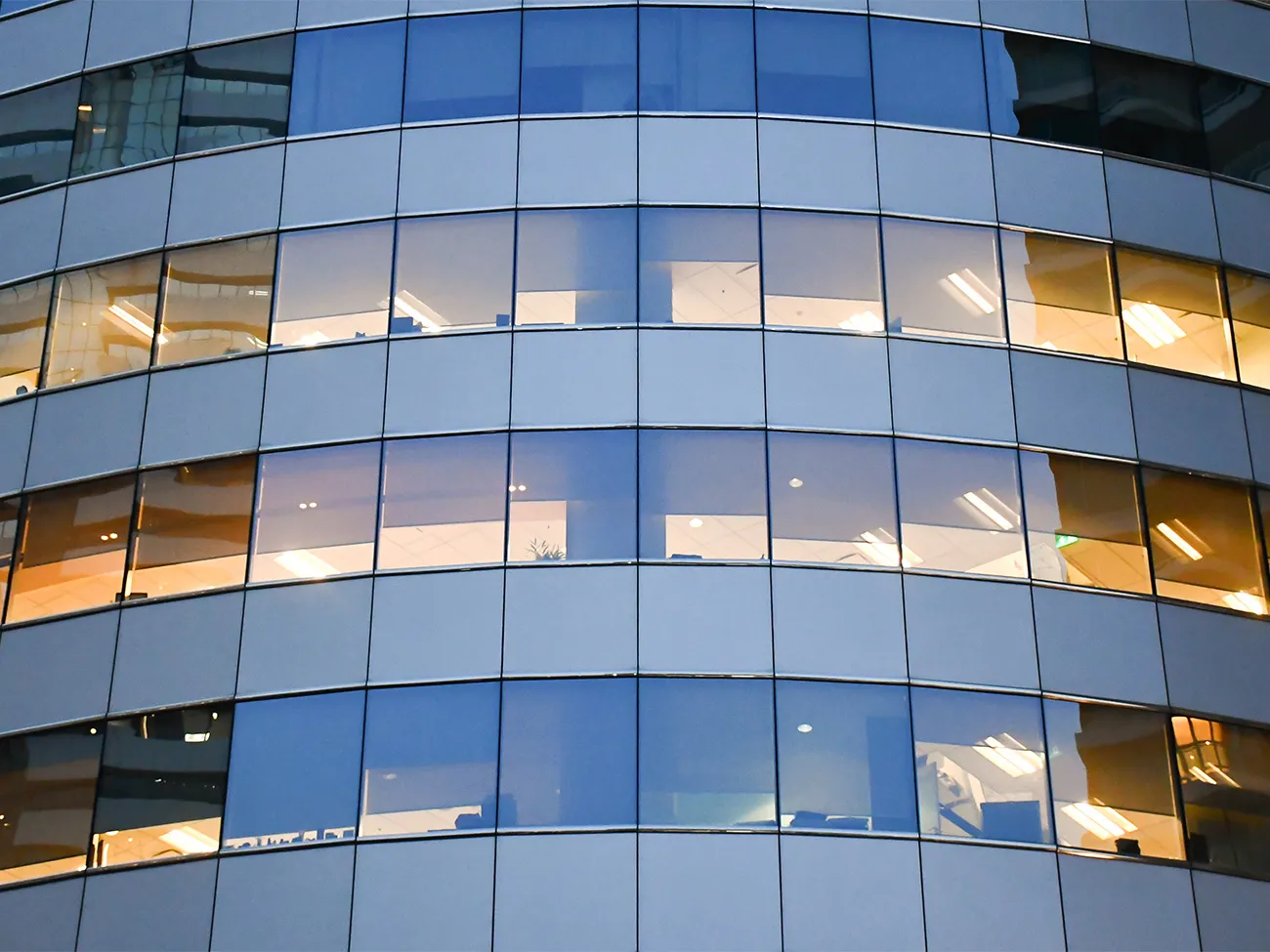
In Europe, the volume of glass waste from demolition and renovation work is estimated at more than 1.5 million tonnes a year. If we are to build a circular economy for glass, solutions will need to be found to address a number of challenges. One of these is the presence of PVB in laminated glass. This is found mainly in glass from the automotive sector and in architectural applications. The European Horizon 2020 project Sunrise is now looking at how the glass can be collected and aims to develop a multisensor tool that will enable efficient separation. The project has just started and runs until 30 November 2024.
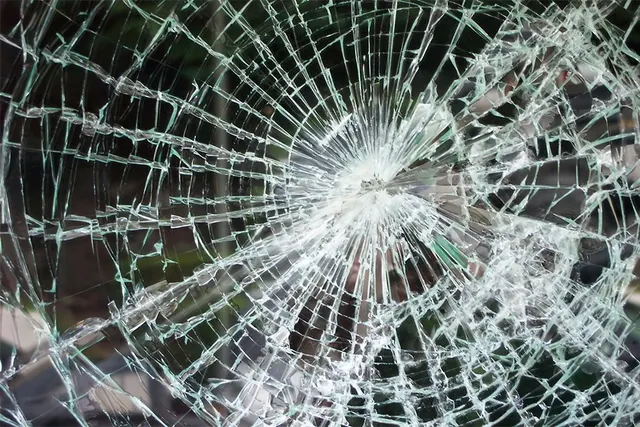
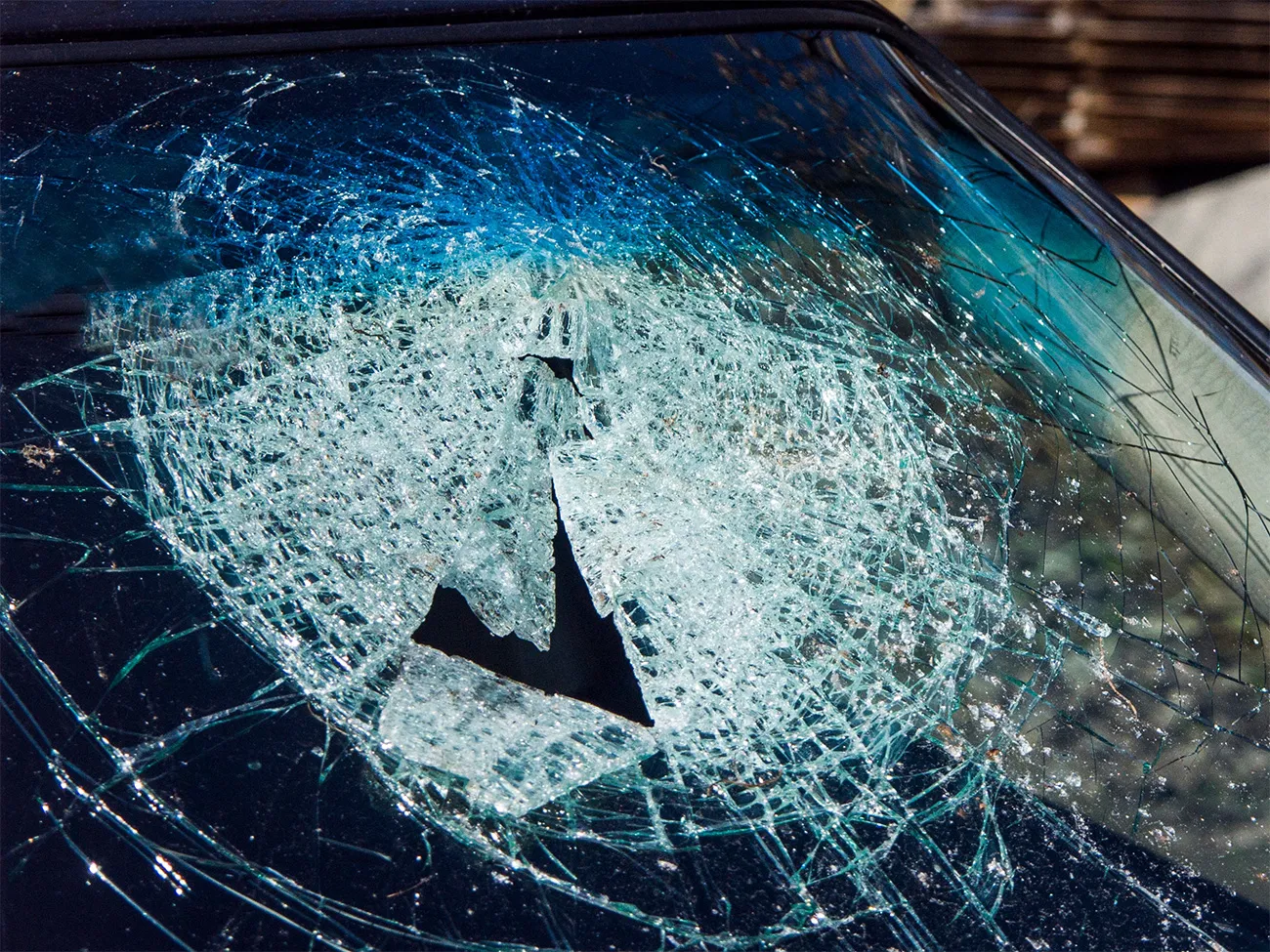
To produce laminated or safety glass, several layers of glass are bonded together using an interlayer. This interlayer serves as protection: it helps absorb the energy of an impact on the glass, keeping the fragments attached to it. Polyvinyl butyral is used for this purpose in most cases. Its use is becoming increasingly popular. Safety glass was already widely used in automotive and architectural applications, but PVB film is also found in solar panels and used in the production of textiles, lithium-ion cells and special coatings … There are plenty of opportunities for a second life. Today, however, only 9% of laminated glass is given a second life. The rest is incinerated or landfilled. It is high time, then, to investigate the best ways to sort and recycle this PVB film and glass. This is the starting point for the Sunrise project, which began on 1 June and has secured just over €8 million in funding from Europe. It brings together twenty partners from seven European countries.
Separation using multiple technologies
The project will develop a tool capable of separating the glass from the film. The approach under consideration uses several sensors at once, including Raman, IRS, fluorescence and optical spectroscopy … Supported by algorithms based on artificial intelligence, this hardware should make it possible to build an advanced sorting system capable of operating even at industrial scale, efficiently separating glass and PVB film into clean streams that can be readily processed further. The optical purity of the PVB will also be validated so that it can once again serve as an interlayer in future laminated glass products. The Sunrise project thus aims to close the PVB loop completely. But it all starts with the quality of the incoming streams. Sunrise will therefore also investigate best practices for collecting and storing laminated glass, with a view to developing a protocol.
Less PVB sent for incineration or landfill
The technology could enable 1.25 million tonnes of laminated glass to be recycled, along with 125,000 tonnes of PVB. In this way, Sunrise hopes to have a significant positive impact on the environment, health and safety. PVB would no longer need to be incinerated or landfilled, which could also reduce the consumption of fossil fuels and the CO2 emissions associated with producing virgin PVB. By improving the economic viability and market potential of this separation technology, more added value can be created, along with new jobs and raw materials here in Europe.
Question about this story? Ask your question
Keep following this
Get an email when a new story is published. No account needed.
- ThemeMaking use of textiles and other waste streams
- SubjectGlass waste